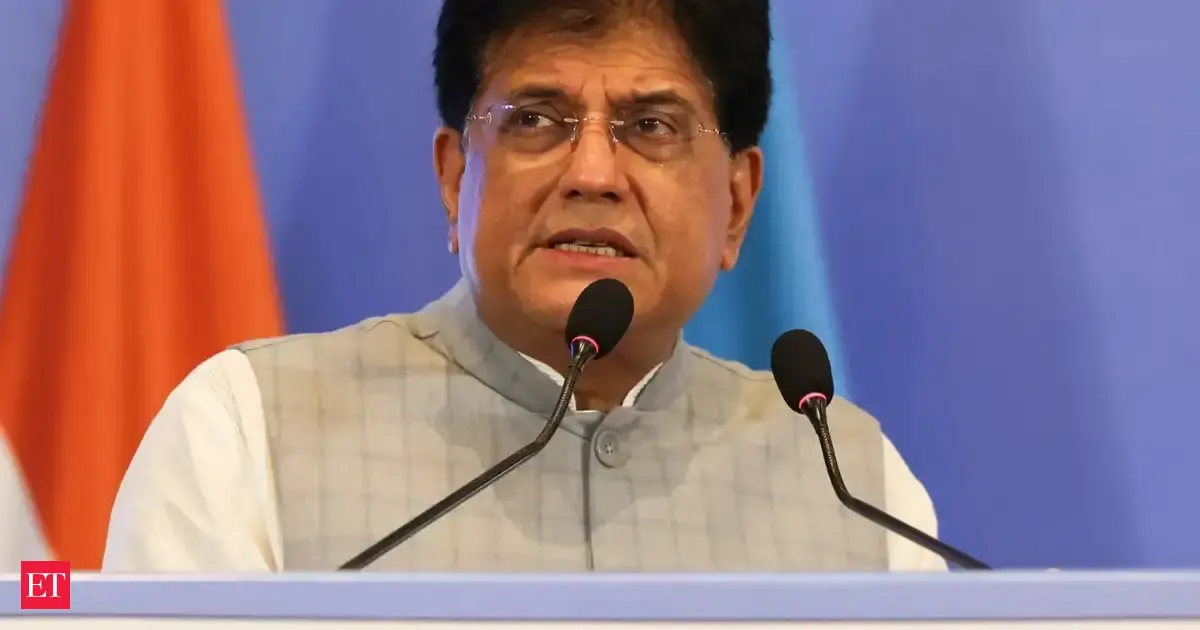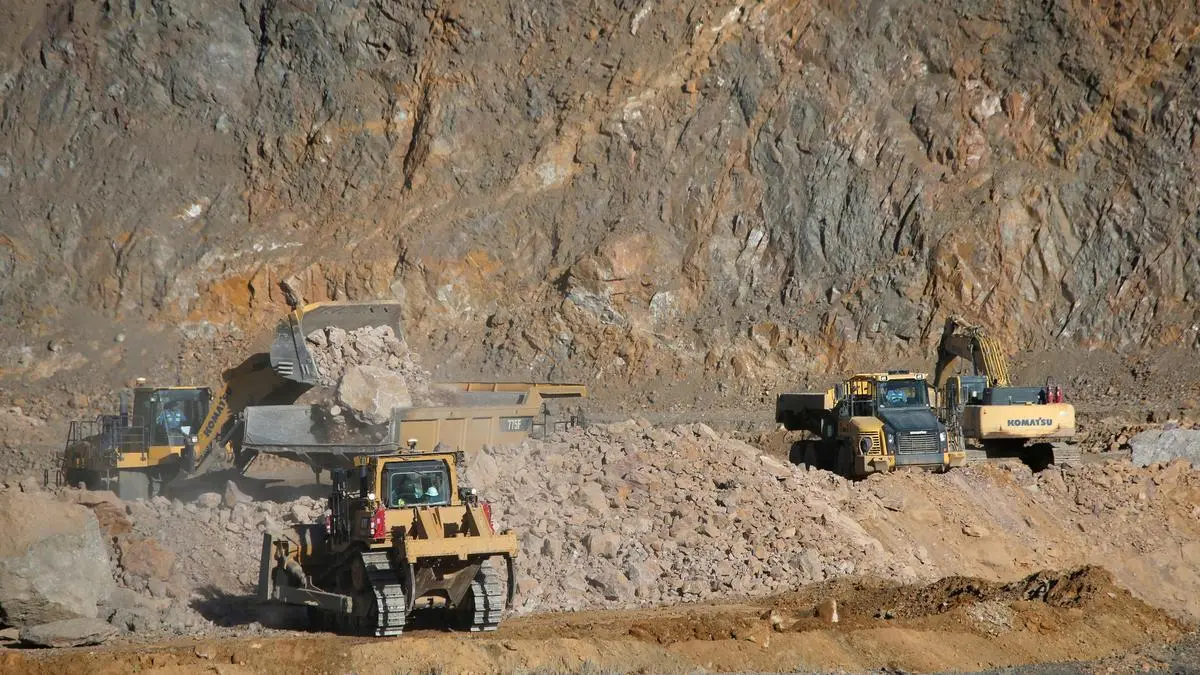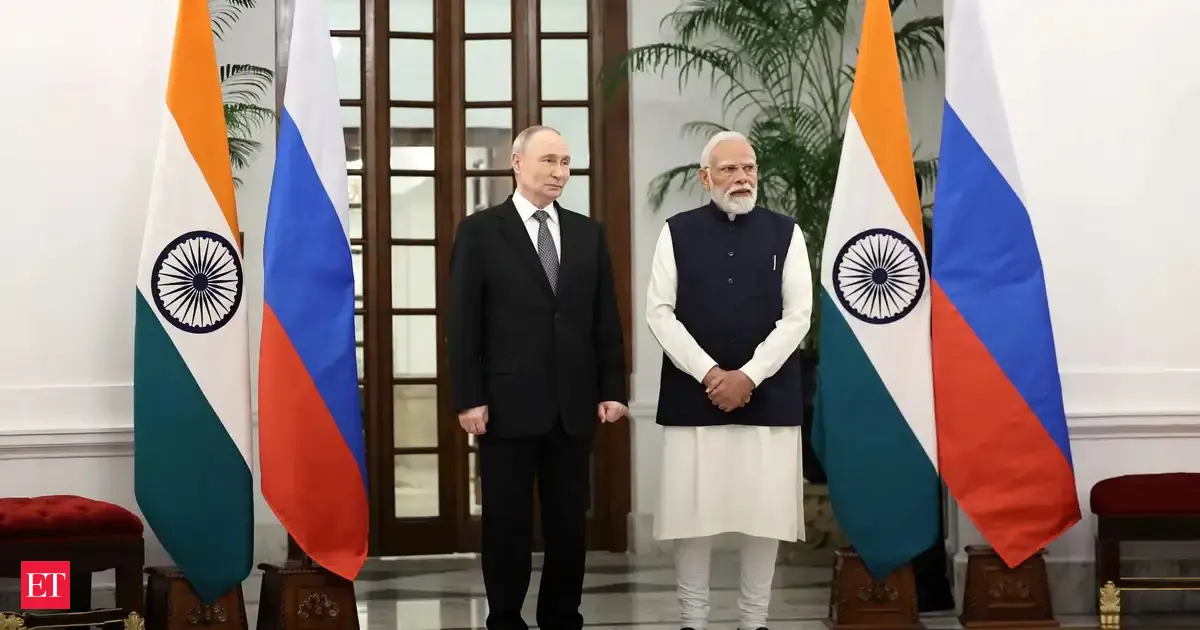
Uzbekistan has formally invited Indian companies to invest in its mining and mineral-processing sector, with an emphasis on critical minerals and rare earth elements, ahead of a possible visit by Indian Prime Minister Modi to Tashkent, according to The Economic Times. The invitation came during a joint visit to India by Uzbekistan's foreign minister and trade and industry minister, who met external affairs minister S Jaishankar and commerce and industry minister Piyush Goyal respectively.
Mining and metallurgy take centre stage
The Economic Times reported that Jaishankar, in his meeting with Uzbek counterpart Bakhtiyor Saidov on Monday evening, said both countries are now looking to broaden cooperation in the mining sector, particularly in critical minerals and rare earth resources. Uzbekistan ranks among the top 10 countries in terms of gold, copper and uranium deposits and possesses almost all types of critical minerals and rare earth elements, the report said. Uzbekistan is also among the suppliers of uranium to India.
“First, of course, is mining and metallurgy. We discussed with minister Goyal opportunities that Uzbekistan possesses. We are among the top 10 globally in terms of gold, copper and uranium deposits. We have almost all types of critical minerals and rare earth elements. We would be happy to discuss and bring Indian technologies, know-how and capital to develop steel production, deep processing of copper and rare earth metals,” Kudratov said, as quoted by The Economic Times.
Kudratov's remarks frame the offer as extending beyond raw ore exports. The country wants Indian capital and technology for steel production, deep processing of copper, and rare earth metals, according to The Economic Times.
Trade growth and investment benchmarks
The Economic Times reported that bilateral trade increased 30 per cent last year to cross $1.3 billion for the first time. Kudratov expressed confidence that trade would touch $2 billion next year and later reach $3-5 billion in the coming years. The report also noted that Piyush Goyal has said India and Uzbekistan should double bilateral trade in three years and could explore a free trade agreement.
Approximately 400 Indian companies are currently operating in Uzbekistan, with a joint project portfolio exceeding $5 billion, according to The Economic Times.
| Metric | Value as reported |
|---|---|
| Bilateral trade, last year | $1.3 billion, up 30 per cent |
| Next-year trade target | $2 billion |
| Medium-term trade ambition | $3-5 billion |
| Indian companies operating in Uzbekistan | About 400 |
| Joint project portfolio | Exceeding $5 billion |
Beyond hard rock: fertilisers, energy, pharma and autos
Kudratov identified chemicals, renewable energy, pharmaceuticals and the automotive sector as key areas for expanding India-Uzbekistan economic cooperation, The Economic Times reported. Uzbekistan is among the region's largest fertiliser producers, and he invited Indian firms to expand fertiliser manufacturing in the country to serve both Indian and third-country markets.
“Another area is the chemical industry. We are one of the largest regional producers of fertilisers. We would be happy to cooperate not only in trade but also discuss with Indian companies the expansion of fertiliser manufacturing in Uzbekistan to supply the needed products, not only for Indian markets but also for third countries together,” Kudratov said.
In renewable energy, Uzbekistan plans to increase the share of renewables in its energy mix to 54 per cent by 2030 from 30 per cent at present, creating opportunities in solar and wind power, battery storage and data centre development supported by low-cost green electricity, according to The Economic Times. In pharmaceuticals, where Uzbekistan imports more than $3 billion worth of medical products annually, Indian companies were invited to establish joint manufacturing of medicines and vaccines, with ongoing collaborations at Dr Reddy’s Laboratories and Cipla cited. In autos, Uzbekistan manufactures around 500,000 vehicles annually through facilities operated by General Motors, BYD and Kia Motors, and called on Indian companies to localise production of automotive components and industrial equipment.
Diplomatic calendar and market implications
The Economic Times reported that PM Modi may visit Tashkent around the time he is in Bishkek for the SCO summit between August 30 and September 1. Modi last visited Uzbekistan in 2022 for the SCO summit. Both governments are working to improve trade facilitation, according to the report.
For commodity traders and procurement teams, the report frames the opportunity around resource endowments — gold, copper, uranium and rare earth elements — and targets for Indian capital in downstream processing, rather than specific production volumes, offtake deals, or price data.
Sources: