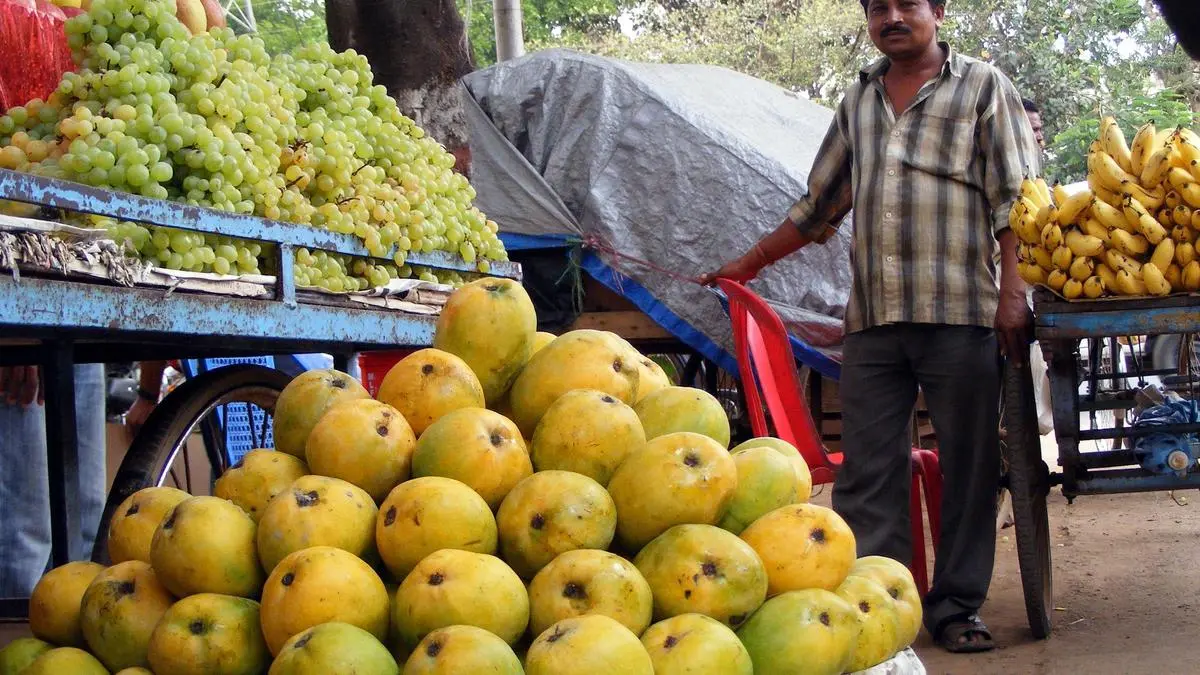
India’s horticulture production for the 2025-26 crop year (July-June) has been estimated at a record 377.78 million tonnes (mt), according to the Agriculture Ministry's second advance estimates. This marks a 1.9% increase over the previous year's 370.74 mt, driven by a marginal expansion in cultivated area and higher yields across several crops.
The total area under horticulture crops is estimated at 30.15 million hectares (mh) in 2025-26, slightly up from 30.14 mh in 2024-25, the Ministry said.
Fruits and Vegetables Lead the Growth
Fruit production is projected to rise 3.25% to 121.48 mt in 2025-26, compared with 117.65 mt a year earlier. The increase is attributed to higher output of banana, mango, papaya, apple, and guava. Vegetable production is estimated to increase 1.47% to 221 mt from 217.8 mt, led by higher production of potato, tomato, peas, cauliflower, bottle gourd, and okra. The area under vegetable cultivation also edged up to 11.88 mh from 11.79 mh.
Onion Output Flat, Potato and Tomato Up
Among key kitchen staples, the area under onion cultivation increased by 2.31% to 2.01 mh from 1.97 mh in 2024-25. However, onion production is expected to remain largely unchanged at 30.75 mt against 30.77 mt last year. Potato production is projected at 59.89 mt, up 2.25% from 58.57 mt in 2024-25. Tomato output is estimated to rise 4.19% to 21.46 mt from 20.6 mt.
Flowers, Spices, and Plantation Crops Gain
The production of aromatic and medicinal plants is expected to increase to 9.76 lakh tonnes (lt) in 2025-26 from 9.01 lt a year earlier. The area under plantation crops is estimated at 46.56 lakh hectares (lh) with production projected at 169.34 lt during 2025-26. The area under flowers is expected to increase marginally by 0.66% to 4 lh from 3.97 lh, but flower production is projected to rise by 7.47% to 45.84 lt from 42.65 lt. The area under spices has been pegged at 50 lh, while production is estimated at 126.55 lt in 2025-26, supported by higher output of garlic, turmeric, curry leaf, and fenugreek.
Comparative Production Data
| Commodity | 2025-26 Production | 2024-25 Production | Change (%) |
|---|---|---|---|
| Total horticulture | 377.78 mt | 370.74 mt | +1.9% |
| Fruits | 121.48 mt | 117.65 mt | +3.25% |
| Vegetables | 221 mt | 217.8 mt | +1.47% |
| Onion | 30.75 mt | 30.77 mt | -0.07% |
| Potato | 59.89 mt | 58.57 mt | +2.25% |
| Tomato | 21.46 mt | 20.6 mt | +4.19% |
| Flowers | 45.84 lt | 42.65 lt | +7.47% |
| Spices | 126.55 lt | data not given | – |
| Aromatic/medicinal | 9.76 lt | 9.01 lt | +8.32% |
| Plantation crops | 169.34 lt | data not given | – |
Implications for International Trade Executives
For importers and exporters of Indian horticulture products, the record production signals stronger export availability, especially for fruits like mango and banana, and vegetables like potato and tomato. The flat onion output means India's onion export surplus may remain constrained, which could keep international onion prices stable. The rise in spice production (garlic, turmeric, curry leaf) supports India's position as a leading spice exporter. Flower production growth of 7.47% could boost India's share in the global floriculture trade. Logistics and shipping professionals should monitor port volumes for these commodities as the harvest season begins. Customs brokers and trade policy analysts should note that higher domestic output may lead to lower import demand for certain products, altering trade balances.
What to Watch
Market participants should watch for the final estimates expected at the end of the crop year (June 2026) and any government export policy adjustments in response to the bumper production. The Agriculture Ministry's next update will provide further clarity on regional distribution and quality parameters.
Sources: