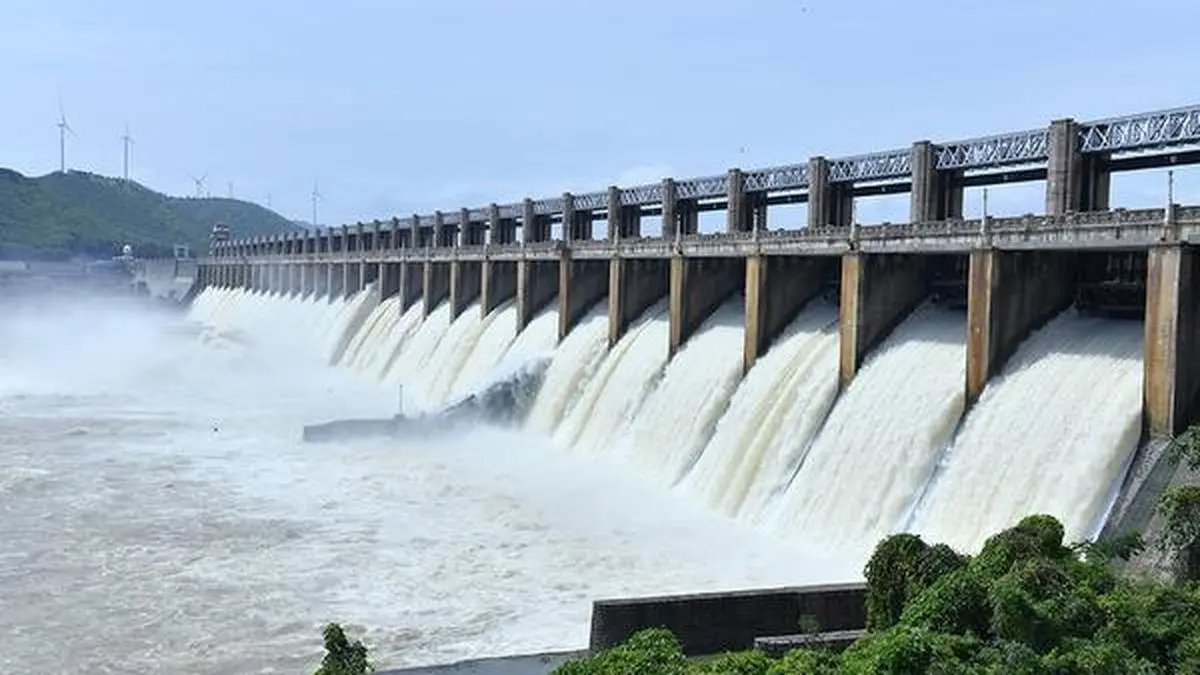
Hardly one in four major Indian reservoirs was filled to half, with no reservoir having storage above 90 per cent this week, according to data from the Central Water Commission (CWC). The development comes on the heels of storage in the 166 major reservoirs dropping to 28 per cent of the 183.565 billion cubic metres (BCM) capacity at 51.917 BCM. The level is lower than a year ago (56.533 BCM), but higher than normal (the last 10 years’ storage of 44.834 BCM).
Current Storage Levels
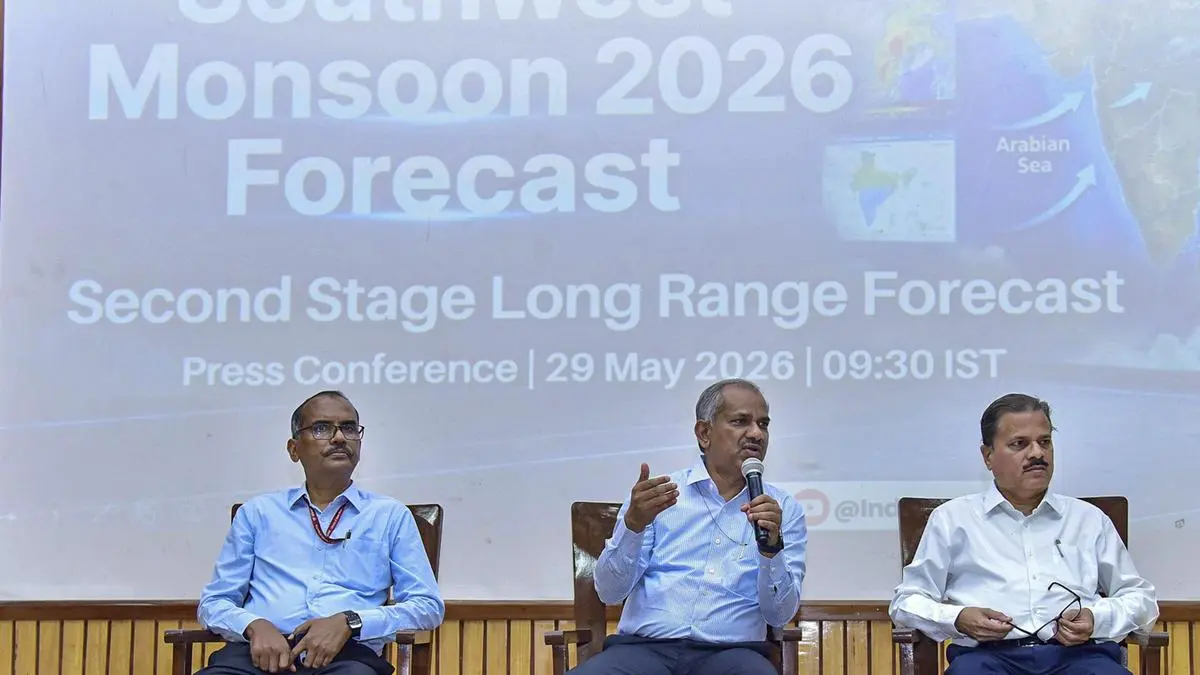
The CWC data reveals that storage in the 166 major reservoirs is currently at 51.917 BCM against a total capacity of 183.565 BCM. This represents a decline from the same period last year, when storage stood at 56.533 BCM. However, it remains above the normal (10-year average) of 44.834 BCM. The India Meteorological Department (IMD) has reported that nearly two-thirds of the country has received deficient or no rainfall between June 1 and 11, despite the South-West monsoon setting in on June 4.
Regional Breakdown
Storage levels vary significantly by region, with southern and eastern regions particularly stressed. The table below summarises the storage data across the five regions:
| Region | Number of Reservoirs | Capacity (BCM) | Current Storage (BCM) | % Fill |
|---|---|---|---|---|
| Southern | 47 | 55.288 | 11.602 | 21% |
| Eastern | 27 | 21.759 | 4.736 | 22% |
| Northern | 11 | 19.836 | 6.672 | 34% |
| Western | 53 | 38.094 | 11.858 | 31% |
| Central | 28 | 48.588 | 17.049 | 35% |
In the southern region, Telangana and Karnataka are the most worrisome, with storage dropping to 15.5 per cent and 14 per cent, respectively. Andhra Pradesh fared better at 33 per cent, as did Tamil Nadu at 34 per cent, while Kerala improved slightly to 22 per cent. In the eastern region, Assam reservoirs were half-full at 55 per cent, while West Bengal and Odisha were below 20 per cent. Bihar and Jharkhand were around 30 per cent, and the lone reservoirs in Meghalaya and Tripura had levels of over 50 per cent and 65 per cent, respectively.
Northern region storage stood at 34 per cent overall, with Rajasthan at 43.5 per cent, Himachal at 27 per cent, and Punjab at 47 per cent. In the western region, Goa’s lone reservoir was at 28 per cent, while Maharashtra dropped to 21 per cent and Gujarat to 40 per cent. Central region storage was 35 per cent overall, with Chhattisgarh at 52.5 per cent, Madhya Pradesh at 37 per cent, Uttar Pradesh at 29 per cent, and Uttarakhand at 17 per cent.
Monsoon and Rainfall Deficit
The IMD has reported deficient or no rainfall in nearly two-thirds of the country between June 1 and 11. Despite the South-West monsoon arriving on June 4, the rainfall has not been sufficient to boost reservoir levels, especially in southern and eastern regions where storage remains below 25 per cent and continued to drop last week. However, the IMD predicts a revival of the monsoon over the western coast, which could improve the situation over the next couple of weeks.
Implications for Agricultural Commodities
The low reservoir storage levels come at a critical time for Indian agriculture, as the kharif planting season is underway. Insufficient water for irrigation could stress crops such as paddy, sugarcane, pulses, and oilseeds, potentially reducing yields and tightening domestic supplies. For commodity traders and procurement teams, this raises the risk of lower output from one of the world’s largest agricultural producers. The CWC’s next weekly data release will be closely watched, as will any updates from the IMD on monsoon progress. If the monsoon revival materializes as forecast, some improvement in reservoir levels is expected, but the current deficit underscores the vulnerability of India’s water-dependent agriculture.
Sources: