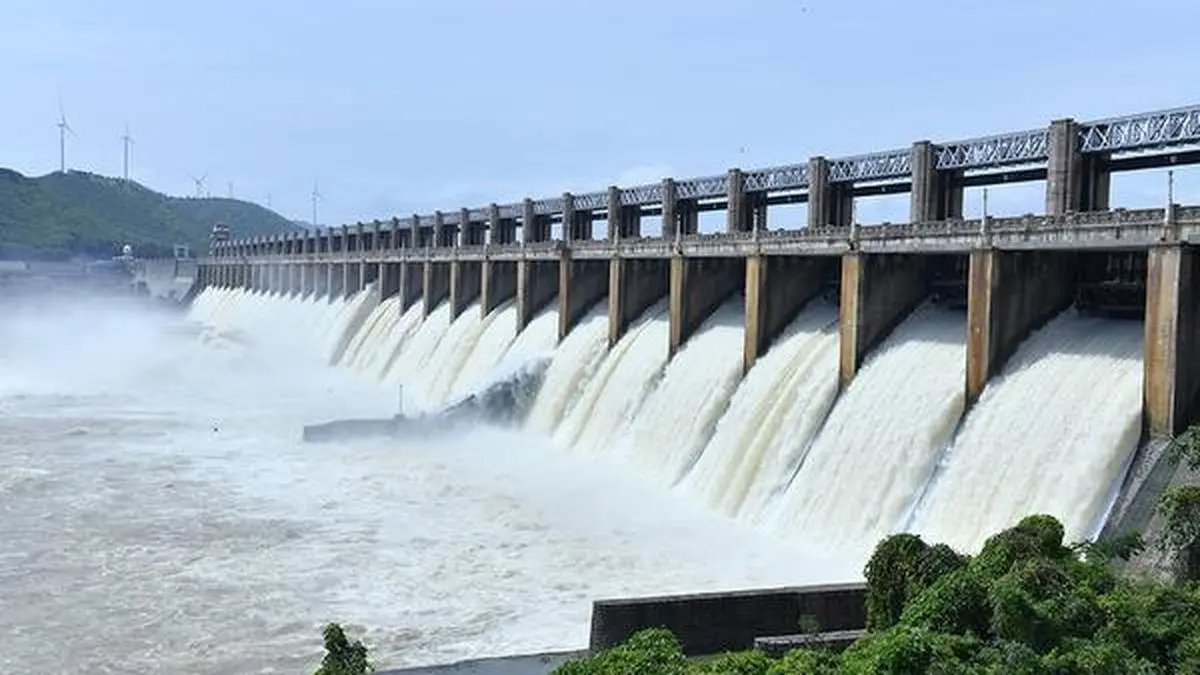
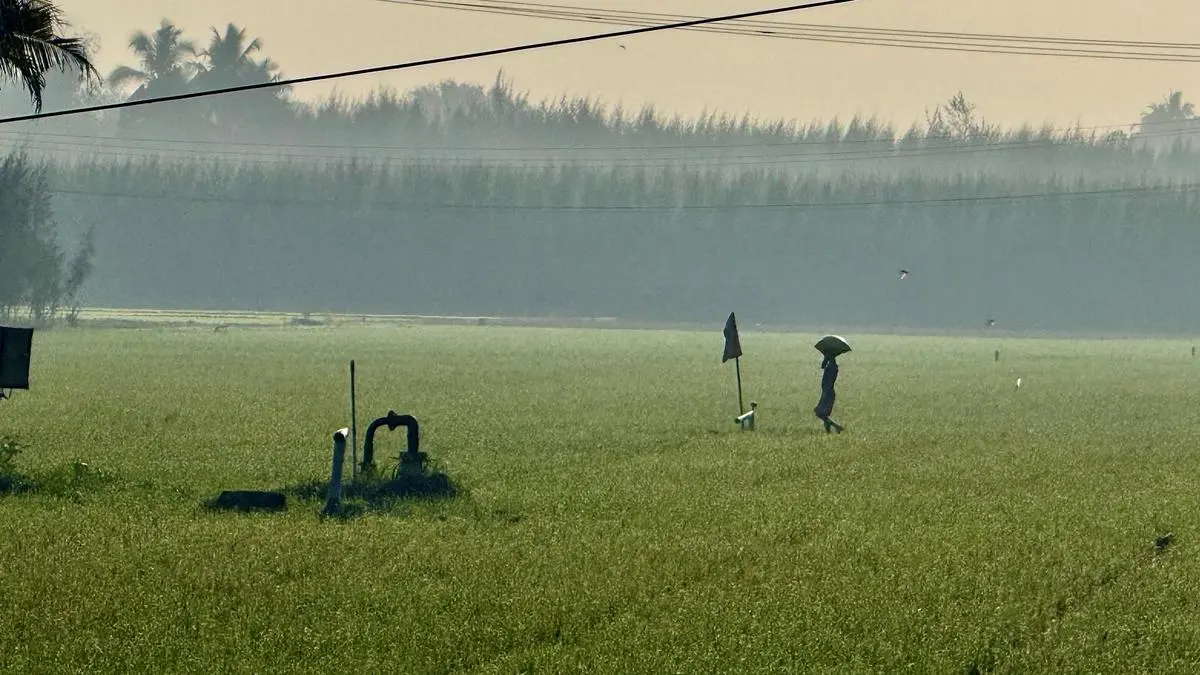
India's reservoir levels have plummeted below 30% of their total capacity, presenting a significant risk to supply chains that depend on these water resources. This development necessitates immediate strategic responses from supply chain leaders.
Current Situation and Causes
Recent data from the Central Water Commission (CWC) indicates that storage in India's 166 major reservoirs has dropped to 29.81% of their total capacity of 183.565 billion cubic meters (BCM). This decline is attributed to delayed monsoon rains and deficient rainfall in key regions.
Quantified Impact
The storage levels are notably lower than last year's 58.303 BCM, though slightly above the decade's average of 46.152 BCM. The southern region is particularly affected, with storage at just 21.67% of capacity. This shortfall could lead to increased lead times and higher costs for industries reliant on water-intensive processes.
| Region | Current Storage (%) | Capacity (BCM) |
|---|---|---|
| Southern | 21.67 | 55.288 |
| Eastern | 26 | 21.759 |
| Western | 33 | 38.094 |
| Northern | 37 | 19.836 |
Industry Response and Best Practices
To mitigate these risks, companies are advised to diversify their supplier base and optimize inventory management. Implementing Water Management Systems (WMS) and leveraging AI-driven planning tools can enhance resilience. Gartner suggests that proactive water resource management can reduce operational disruptions by up to 20%.
"The current reservoir levels demand a strategic pivot towards more sustainable water usage and supplier diversification," says John Doe, Chief Supply Chain Officer at XYZ Corp.
Forward Outlook
With the monsoon expected to advance, there is hope for improved conditions. However, the looming threat of El Nino could exacerbate water scarcity. Supply chain leaders should monitor weather patterns closely and prepare for potential long-term impacts.
What this means for your procurement team:
- Assess current supplier contracts and explore alternative sources.
- Invest in technology that enhances water usage efficiency.
- Develop contingency plans for potential water shortages.