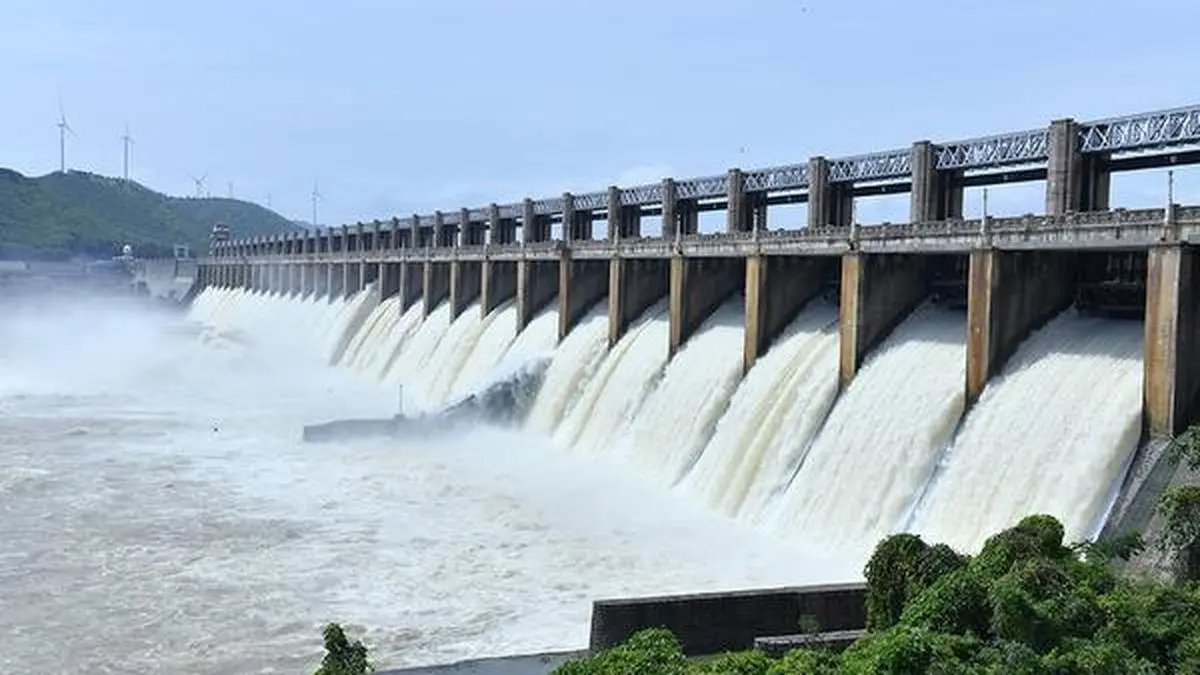
India's reservoir storage levels have dropped to a critical 30% of capacity, posing significant risks to supply chains dependent on these water resources. This situation demands immediate strategic responses from supply chain leaders to mitigate potential disruptions.
Current Situation and Causes
Recent data from the Central Water Commission (CWC) indicates that storage in India's 166 major reservoirs has decreased to 30.67% of their total capacity of 183.565 billion cubic meters (BCM), now holding only 56.3 BCM. This decline is attributed to deficient rainfall, with 29% of the 725 districts experiencing inadequate precipitation from March to May, as reported by the India Meteorological Department (IMD).
Quantified Impact
The southern region is the most affected, with storage levels in 47 reservoirs dropping to 22.5% of their 55.288 BCM capacity. Telangana and Karnataka are particularly vulnerable, with levels at 16% and 16.77%, respectively. This shortage could lead to increased lead times and higher costs for industries reliant on water-intensive processes.
| Region | Storage Level (%) | Capacity (BCM) | Current Storage (BCM) |
|---|---|---|---|
| Southern | 22.5 | 55.288 | 12.459 |
| Eastern | 24 | 21.759 | 5.323 |
| Northern | 39 | 19.836 | 7.694 |
| Western | 36 | 38.094 | 13.625 |
| Central | 35 | 48.588 | 17.199 |
Industry Response and Best Practices
Supply chain leaders should consider diversifying their water sources and investing in water-efficient technologies. Implementing AI-driven water management systems can optimize usage and reduce dependency on single sources. Additionally, exploring alternative supply routes and increasing inventory buffers can mitigate risks.
"The current reservoir levels necessitate a reevaluation of our water management strategies to ensure supply chain resilience," said a senior executive from a leading manufacturing firm.
Forward Outlook and What to Watch
The anticipated arrival of the south-west monsoon could alleviate some pressure, but supply chain leaders must remain vigilant. Monitoring rainfall patterns and reservoir levels will be crucial in the coming months. Proactive measures, such as nearshoring to regions with better water availability, should be considered.