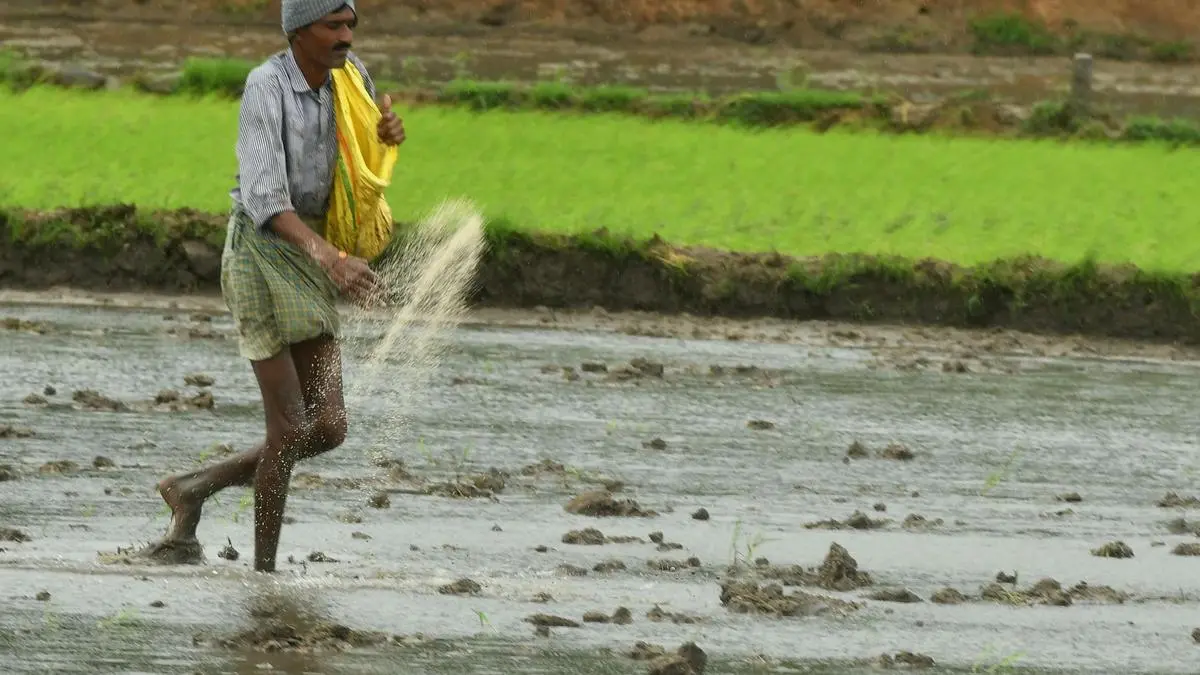
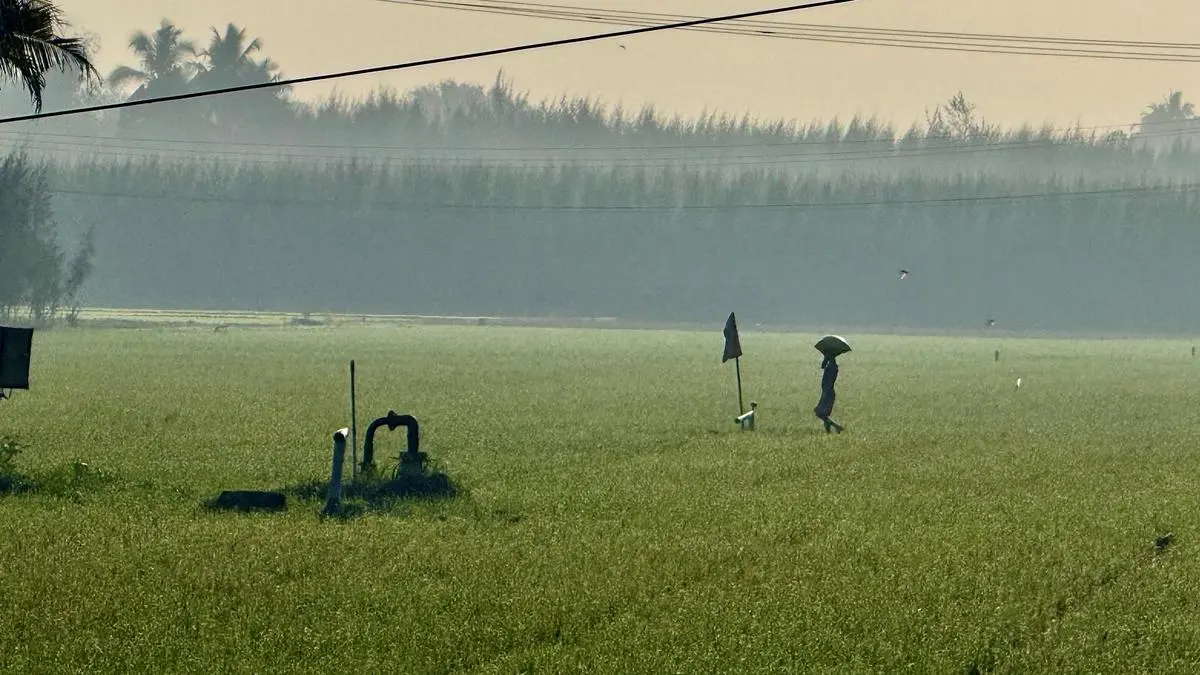
India's agricultural sector is experiencing a boom, with grain output estimated at 357.7 million tonnes in 2024–25. However, the journey from harvest to consumption is fraught with challenges that can compromise food safety and economic returns.
The Importance of Post-Harvest Management
Effective post-harvest management involves the storage, handling, processing, and transportation of produce to preserve its quality. This is essential for ensuring food security and maximizing returns from agricultural production. Despite bumper harvests, India loses nearly ₹1.5–1.6 lakh crore worth of food annually due to spoilage and wastage.
"Every tonne of food saved after harvest contributes directly to economic growth and resource efficiency."
Challenges in the Supply Chain
Post-harvest losses are exacerbated by poor storage and transportation practices, which lead to pest infestation, microbial contamination, and physical deterioration. The lack of cold-chain infrastructure often results in perishables reaching markets in spoiled condition, increasing food safety risks.
Scientific Storage Solutions
Modern scientific storage systems are pivotal in maintaining food quality and safety. Key elements include:
- Temperature and Humidity Control: Refrigeration and dehumidification help preserve various food products.
- Pest and Pathogen Management: Sealed storage structures and scientific fumigation reduce losses.
- Quality Monitoring: IoT-based sensors track conditions, allowing timely interventions.
- Advanced Packaging: Modified-atmosphere packaging extends shelf life.
Government initiatives like the Pradhan Mantri Kisan Sampada Yojana (PMKSY) are aiding in reducing post-harvest losses.
Economic and Environmental Implications
Food lost after harvest represents wasted resources. Reducing these losses is one of the most sustainable ways to improve food availability without additional cultivation. This not only protects consumer health but also enhances market stability.
| Aspect | Impact on Food Safety | Economic Impact |
|---|---|---|
| Storage and Handling | Reduces spoilage | Increases returns |
| Transportation Practices | Minimizes contamination | Lowers costs |
| Cold-Chain Infrastructure | Preserves perishables | Boosts efficiency |
Outlook and Future Developments
As India aims to become a global agricultural powerhouse, strengthening post-harvest systems is crucial. Upcoming data releases from the USDA and FAO will provide further insights into global agricultural trends and their implications for food safety and market dynamics.