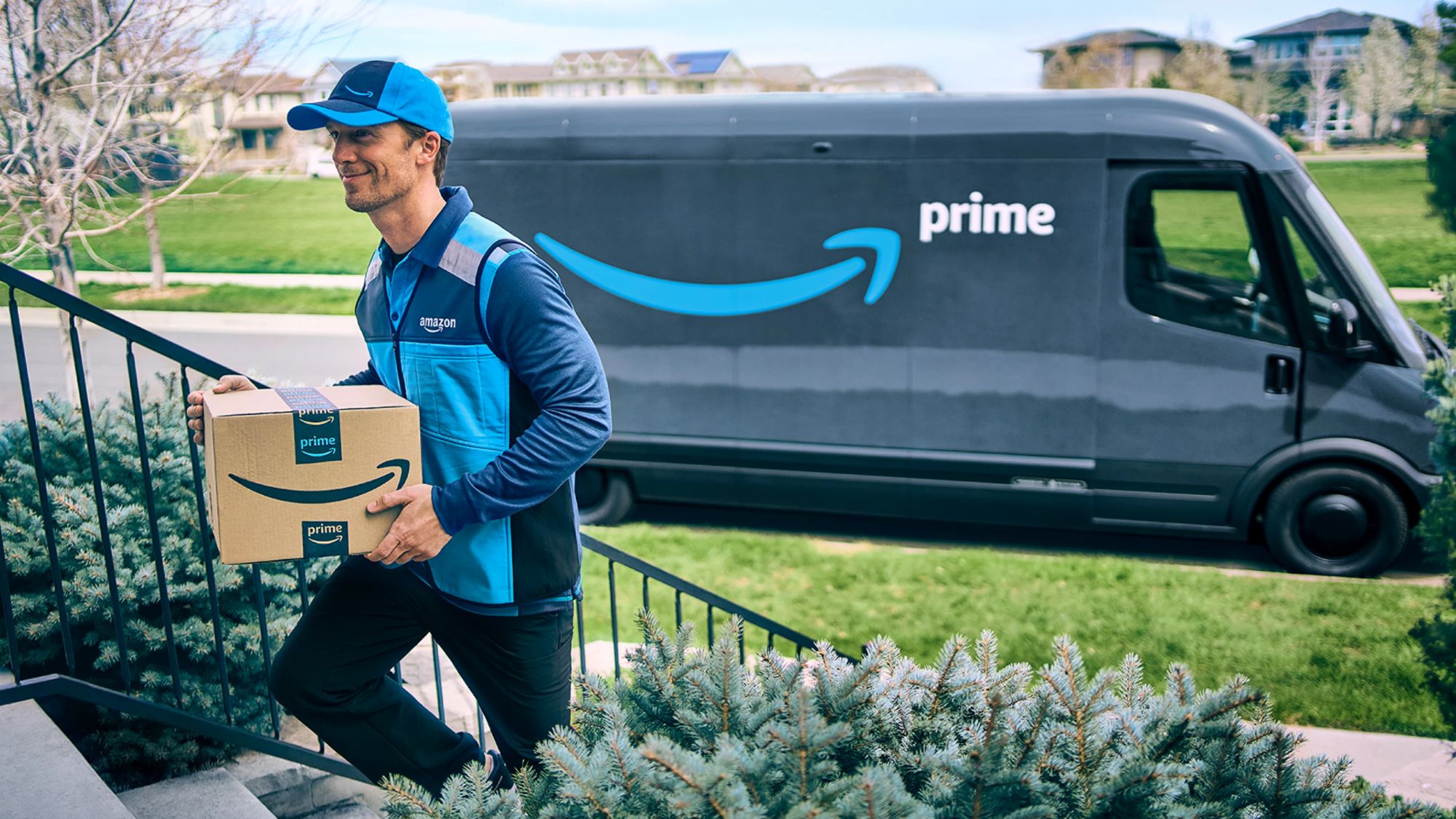
Amazon CEO Andy Jassy is accelerating the company’s quick-commerce push in India, announcing a major expansion of the Amazon Now instant delivery service to over 300 cities from the current 15, according to a report by Business Today. Jassy, on his first visit to India since assuming the CEO role in July 2021, revealed that Amazon has invested a fresh $300 million in the country to fuel the quick-commerce business.
Expansion Plans and Market Position
Amazon Now, which launched operations in June last year following a pilot in December 2024, is now Amazon’s fastest-growing e-commerce business unit in India, Jassy said. Orders have doubled every quarter since launch. The service will increase its network of micro-fulfilment centres and stores to over 500 locations to support faster deliveries. Jassy noted that the company’s paid membership service Prime is critical to growth: Prime members triple their shopping frequency once they start using Now.
Competitive Landscape
Amazon entered the quick-commerce space late, trailing established rivals. According to Business Today, Blinkit leads the market with nearly half the share, recording 27.2 million average monthly transacting users and 273.9 million orders in the March quarter. Zepto followed with 210 million orders. The table below compares current city coverage among major players:
| Platform | Cities Served | Key Metrics |
|---|---|---|
| Amazon Now | 15 (expanding to 300+) | Orders double every quarter |
| Blinkit | 200+ | 273.9M orders (Mar qtr), 27.2M monthly users |
| Swiggy Instamart | 130+ | – |
| Zepto | 66 | 210M orders |
| Flipkart Minutes | 130+ | Expanded in ~2 years |
Flipkart Minutes has also scaled to over 130 cities in about two years. The quick-commerce market now serves daily needs from milk and groceries to apparel, shoes, jewellery, and electronics accessories.
Investment and Seller Implications
Amazon’s $300 million injection and aggressive expansion signal a long-term commitment to India’s quick-commerce sector. For B2B marketplace operators and cross-border sellers, this development means increased competition in last-mile logistics and delivery infrastructure. As Amazon scales its micro-fulfilment network, third-party sellers on Amazon.in may gain access to faster delivery options, potentially boosting conversion rates for time-sensitive products. However, the dominance of local players like Blinkit and Zepto means Amazon must differentiate through its Prime ecosystem and broader e-commerce integration.
Jassy also stated that learnings from building Amazon Now in India are now being applied to scale the service across the US and globally, according to Business Today. This suggests that Amazon’s India quick-commerce model may become a template for international markets, affecting cross-border logistics standards and fulfilment expectations worldwide.
Sources: