
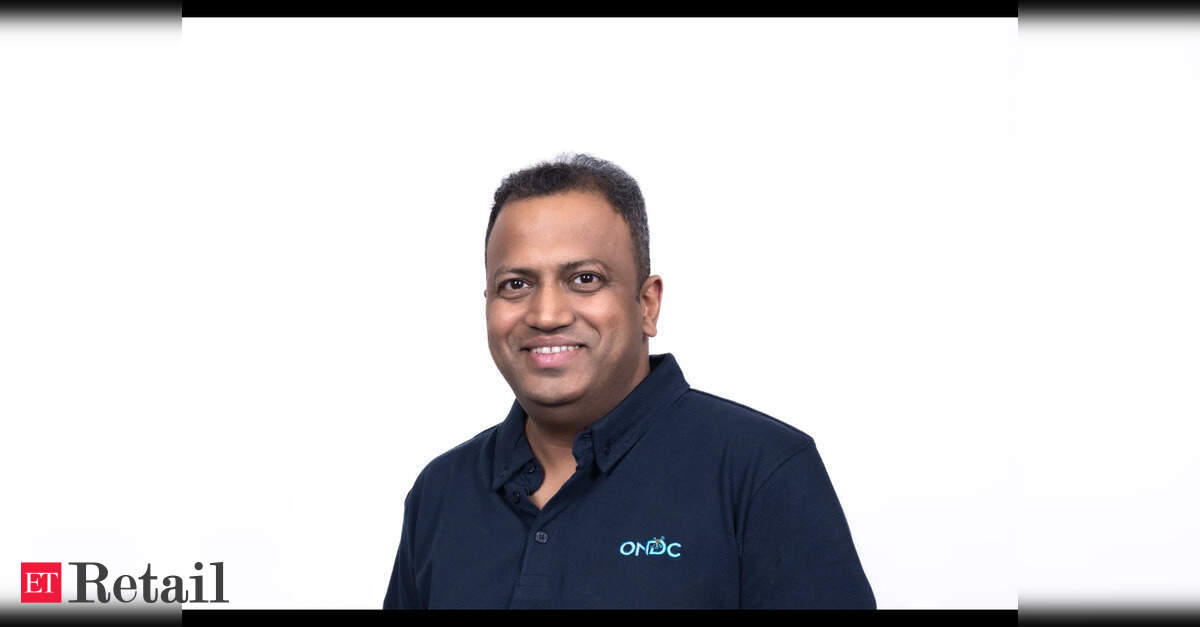
ONDC will launch its DigiDukaan B2B procurement network in Mumbai by late August or early September, with Bengaluru and Delhi to follow within the current fiscal year, according to Rohit Lohia, Chief Operating Officer of ONDC. The expansion follows the platform's launch in Hyderabad on March 8 and Jaipur on June 19.
Launch Timeline and City-by-City Expansion
Lohia detailed the rollout schedule in the report: "We launched in Hyderabad on March 8, followed by Jaipur on June 19. Towards the end of August or early September, we'll be launching in Mumbai. Post Mumbai, we will be entering Bengaluru and Delhi this fiscal year." The network will subsequently expand to Hyderabad and Jaipur, with ONDC initially focusing on five to six cities before creating a replicable expansion playbook. "We are going city by city because each city needs to create that depth for the retailer and for the application to make sense. Once we're done with five to six cities, we'll take that playbook and create replicability," Lohia said.
Addressing Kirana Procurement Inefficiencies
DigiDukaan was launched to address inefficiencies in general trade procurement, where kiranas continue to depend heavily on field sales representatives, phone calls and multiple brand-specific ordering apps. According to the report, ONDC says retailers can work with 100-150 brands and handle 2,000-3,000 SKUs, making multiple applications impractical. "Any given kirana will be working with 100-150 brands at the least. They will be dealing with 2,000-3,000 SKUs. How many apps do I download? It is not possible," Lohia said.
The thesis here is very simple: test digital ordering. It saves the cost of sales from a distributor perspective and creates convenience for the retailer because there are no missed orders. — Rohit Lohia, COO, ONDC
Pilot Market Traction and Coverage Targets
According to the report, Hyderabad has onboarded around 11,500 kirana stores and more than 400 brands, while total onboarding across markets has crossed 13,000 retailers. Hyderabad has an estimated 75,000-1 lakh retail outlets, and ONDC expects to achieve 30-50 per cent coverage by the end of calendar 2026. The report said Jaipur, the second live market, saw around 1,000 retailers register on launch day. The city has more than 25,000 kirana retailers, with ONDC targeting at least 40 per cent coverage in the first phase.
| Market | Launch Date | Retailers Onboarded | Total Retail Outlets | Coverage Target |
|---|---|---|---|---|
| Hyderabad | March 8 | 11,500 | 75,000–1 lakh | 30–50% by end of calendar 2026 |
| Jaipur | June 19 | ~1,000 on launch day | 25,000+ | At least 40% in first phase |
Brand Integration on DigiDukaan
For brands, DigiDukaan aims to create digital access to retailers beyond distributor-level visibility, according to the report. "Brands are not able to push new launches today because there is no direct retail access. Now you have an application where you can communicate with the retailer digitally," Lohia said. HUL is in the process of integrating with ONDC, while ITC and Coca-Cola are already live, with Emami, Colgate-Palmolive and Tata Consumer also integrating.
Platform Architecture and B2B Logistics
DigiDukaan operates through a buyer application onboarding retailers, seller applications onboarding wholesalers and distributors, and logistics partners fulfilling orders, according to the report. Pricing remains seller-driven, while ONDC provides the network infrastructure and logistics integration. "We are not trying to replace the ecosystem. We are trying to create efficiency by bringing the ecosystem together," Lohia said. The report said ONDC currently facilitates more than 50,000 hyperlocal deliveries daily and is integrating B2B logistics into DigiDukaan. The company expects the platform to become accessible to retailers across India within the next two-three years.
Sources:


