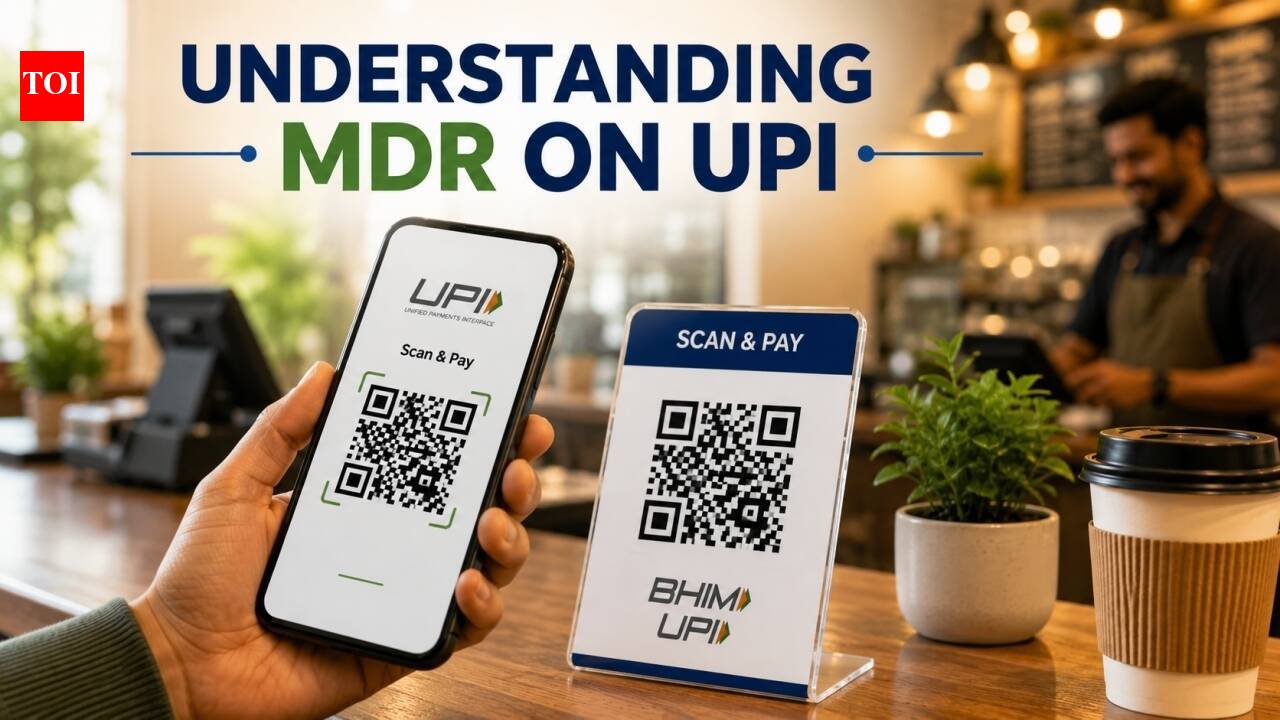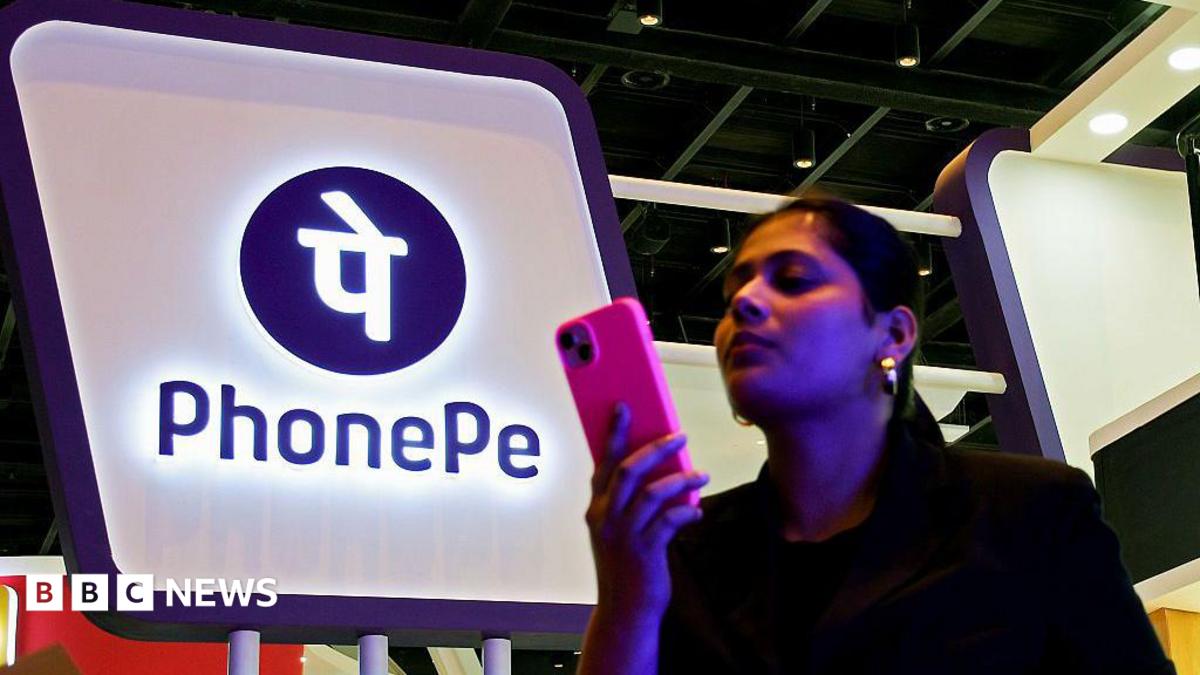
For most Indians, paying by Unified Payments Interface (UPI) has become almost absurdly routine: scan a QR code, tap a few buttons and the money moves instantly, with no card machine, no cash and no visible fee for the user, according to BBC News. That may be about to change. India has paved the way for banks and payment companies to charge merchants a fee on UPI transactions, potentially ending a decade-long experiment in free digital payments. The government has yet to decide the rate or exactly where it will apply, but proposals under discussion include a merchant discount rate (MDR) of 0.3-0.5%.
What the fee proposal includes
Under the proposals, consumers and person-to-person UPI payments will remain free, the government says. If merchant fees are introduced, they will apply only to some transactions above a set threshold, at a nominal rate, meaning most UPI payments will remain free, BBC reported. MDR is a small fee paid by a business to the banks and payment companies that process its UPI payments. A vegetable seller, taxi driver or small shopkeeper does not need to buy a card terminal to accept UPI — a printed QR code will do. Because merchants have not had to pay MDR, there has been little financial reason to turn customers away, according to BBC.
UPI by the numbers
Launched in 2016, UPI has grown into one of the world's biggest real-time payment networks. According to official data, in July alone there were 23.6 billion UPI transactions worth 29.87 trillion rupees ($313.5bn; £232.2bn). Fintech apps such as PhonePe and Google Pay account for most UPI payments. In the financial year just ended, the figure was about 241.6 billion transactions — almost 12,000 times the volume in UPI's first full year. More than 550 million people now use it, and the system is available in some form for payments in 11 countries outside India.
| Metric | Figure |
|---|---|
| UPI transactions in July | 23.6 billion |
| Value of July transactions | 29.87 trillion rupees ($313.5bn; £232.2bn) |
| Transactions in FY just ended | 241.6 billion |
| Growth vs first full year | nearly 12,000 times |
| Users | more than 550 million |
| Countries outside India | 11 |
How UPI works
Rather than building a closed system around a single dominant app, India created common digital plumbing on which competing companies could operate, BBC reported. Google Pay and PhonePe can fight fiercely for customers while still allowing their users to transact across the same network. The system is run by the National Payments Corporation of India, a non-profit entity, with banks and technology companies providing the consumer-facing services.
Merchants drove adoption
New research by economists Abhinav Motheram and Sharon Buteau suggests that the merchant network was not merely an effect of UPI's success; it helped drive it, according to BBC.
Our study suggests that merchant acceptance is not just a result of UPI growth, but one of its key drivers.
Motheram said that districts with stronger merchant networks tended to see higher UPI adoption.
The stakes are enormous, BBC reported. The question is whether putting a price on UPI could weaken the network that made it such a success. The government's decision on the threshold and the final MDR rate will determine which larger merchant transactions are billed.
Sources: