The Lok Sabha has cleared a Bill amending the Payment and Settlement Systems Act, 2007, that empowers the government to authorise banks and other payment service providers to impose charges on transactions through the Unified Payments Interface (UPI) and other notified electronic payment modes, according to a Business-Today report. The amendment removes the existing legal restriction that barred banks and payment service providers from collecting a Merchant Discount Rate (MDR) on notified electronic payment modes.
What the MDR proposal covers
The Times of India, cited in the Business-Today report, said the government is expected to permit an MDR of between 0.25% and 0.4% on UPI transactions above Rs 2,000 made to businesses. Person-to-person payments are likely to remain outside the scope of the proposed levy. The proposal is not expected to affect routine purchases such as milk, vegetables, groceries, or payments for auto-rickshaw and taxi services.
The government is expected to permit a Merchant Discount Rate of between 0.25% and 0.4% on UPI transactions above Rs 2,000 made to businesses, according to the Times of India as cited by Business-Today.
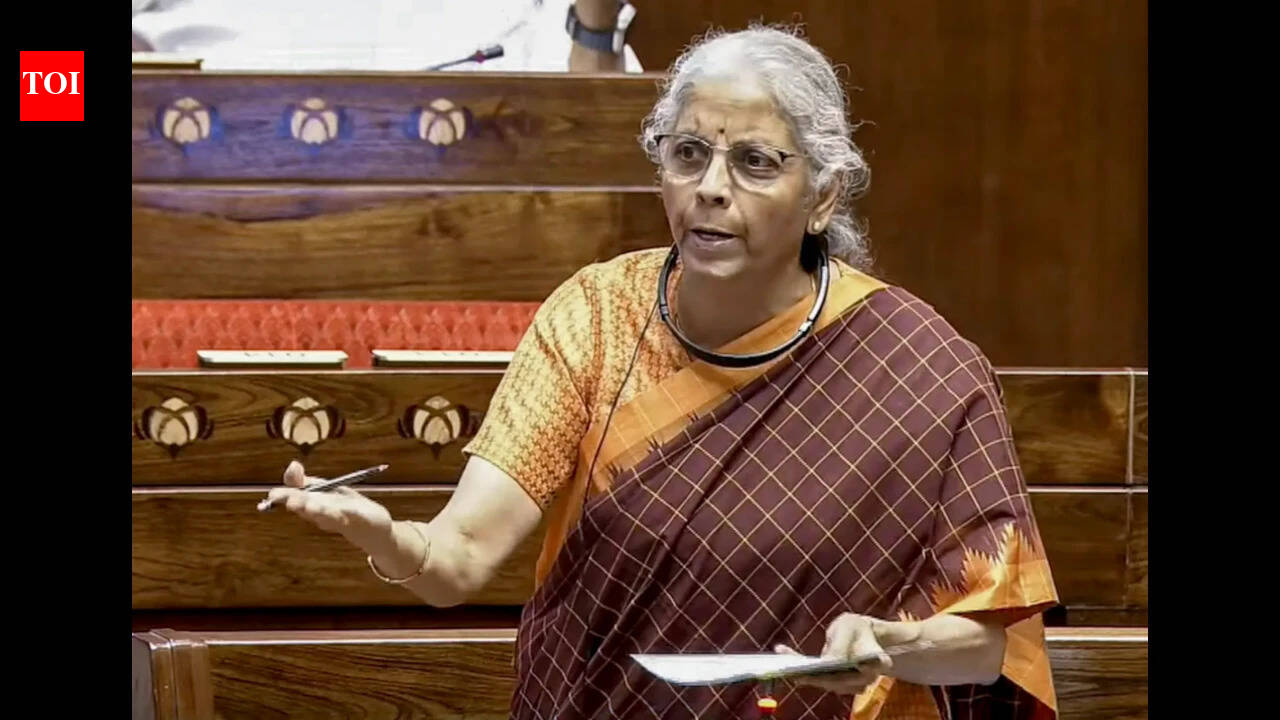
Finance Minister Nirmala Sitharaman said the MDR on digital payment transactions is applicable to merchants rather than customers, adding that the levy would enable banks and fintech companies to strengthen investment in infrastructure and security, the report said.
Who pays, who is protected: Payments Council of India’s FAQs
The Payments Council of India, a non-government organisation, answered seven frequently asked questions on the proposed charge. Its position, as reported by Business-Today:
- Consumers pay nothing. UPI has been free for consumers since its launch in 2016, and every Indian can continue making instant digital payments without paying transaction charges.
- Small shopkeepers and kirana stores are not charged. Small merchants are not required to pay MDR to accept UPI payments; protecting small merchants “remains central to the ecosystem’s inclusive growth.”
- No consumer charge if large merchants pay. Merchant service charges are commercial arrangements between merchants and payment service providers, and do not mean consumers pay to use digital payments.
- The ecosystem absorbs operating costs. Banks, payment companies, fintechs, NPCI and RBI have collectively invested in technology, cybersecurity, fraud prevention, innovation and customer support for nearly 10 years, with operating costs currently borne by banks and payment service providers.
Category-wise impact: before and after the expected MDR
| Category | Before the amendment | After the amendment (expected) |
|---|---|---|
| Consumer UPI payments | Free | Free |
| Person-to-person (P2P) transfers | No MDR | No MDR (likely outside scope) |
| Small merchants / kirana stores | No MDR | No MDR |
| Routine purchases (milk, vegetables, groceries, auto/taxi) | No MDR | Not expected to be affected |
| Business payments above Rs 2,000 | No MDR (barred) | MDR of 0.25%–0.4% expected |
What marketplace sellers and B2B platforms should track
The proposal, if notified, would add a cost line for merchants and marketplaces that receive UPI payments above Rs 2,000 for goods or services. While the MDR is described as applicable to merchants rather than consumers, the exact incidence will depend on commercial arrangements between merchants and payment service providers, as the Payments Council of India noted. Sellers and marketplace operators should watch for the government notification specifying which electronic payment modes are covered and the final MDR rate. Sitharaman’s statement that the levy would support infrastructure and security investment indicates the revenue is intended to fund the payments ecosystem that enables billions of secure transactions every month.
The Business-Today report also carried an “Also Read” item titled “‘Someone has to pay the cost’” — attributed in that headline to the RBI governor — on the MDR proposal for UPI transactions above Rs 2,000, and another on the Lok Sabha passing the bill authorising the government to allow banks to levy fees.
Sources: