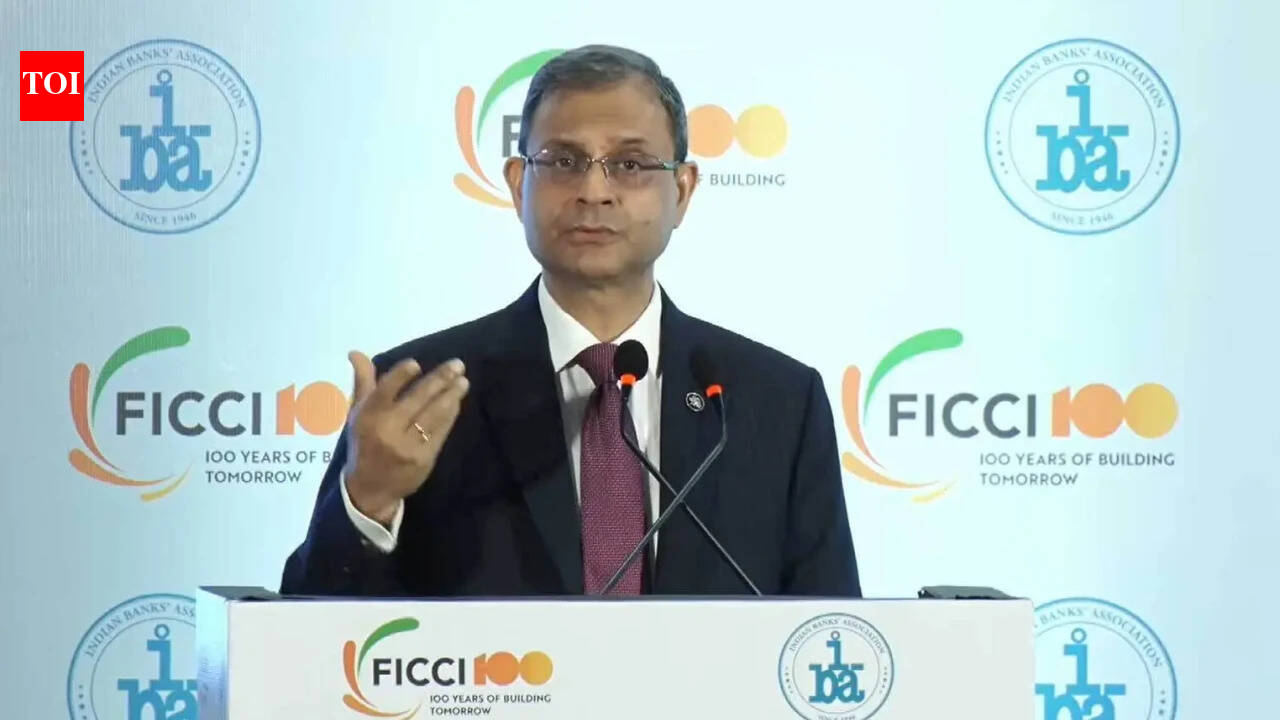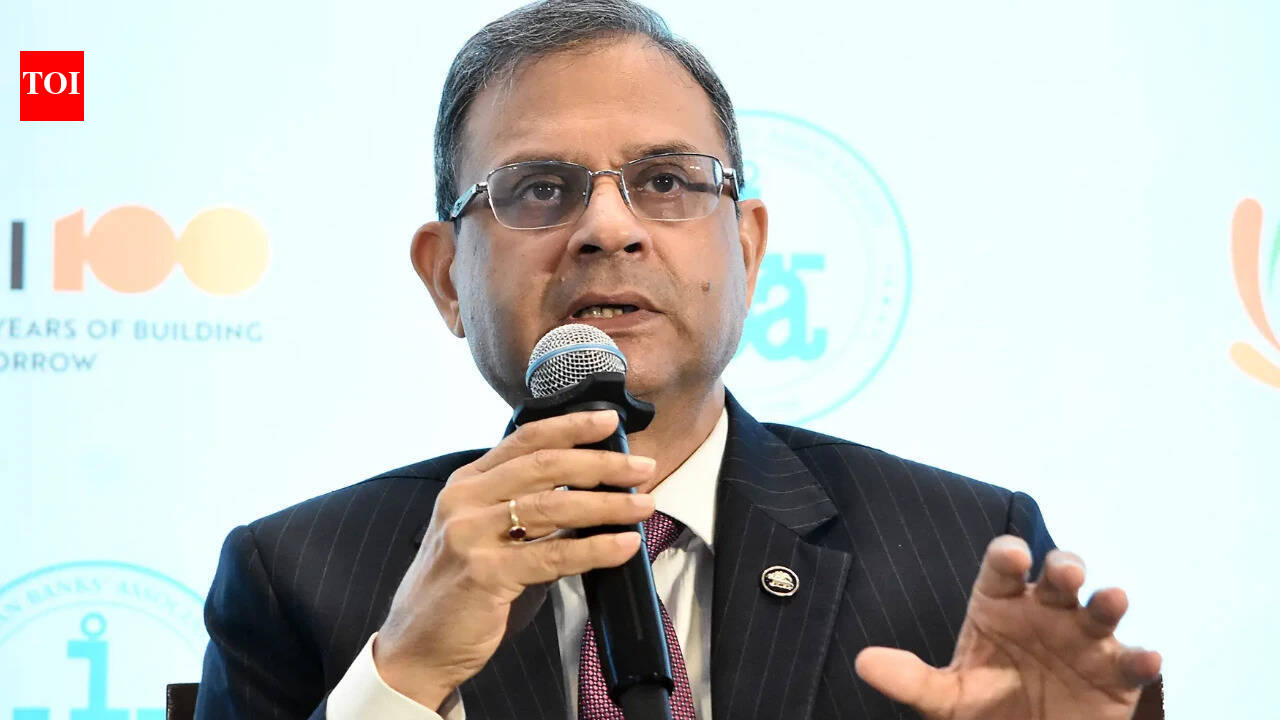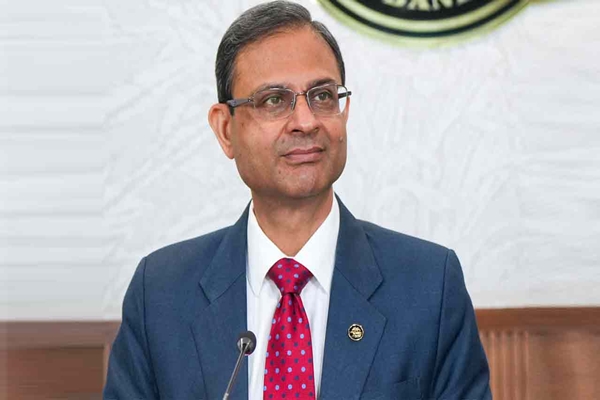
According to a report by Akashvani and News on AIR, the Reserve Bank of India (RBI) Governor has called on Indian banks to adopt artificial intelligence with a clear focus on innovation, accountability and customer trust. Speaking at the 2026 edition of FIBAC in Mumbai, the Governor said AI could transform Indian banking by improving credit delivery, customer service, financial inclusion, operational efficiency and fraud detection. The remarks, reported by News on AIR on August 11, 2026, set out both the promise and the perils of AI for the country's financial sector.
AI's potential to reshape Indian banking
The Governor's address framed AI as a transformative force across the core functions of banking. According to the report, the Governor identified five improvement areas: credit delivery, customer service, financial inclusion, operational efficiency and fraud detection. For the banking industry, these functions are central to day-to-day operations, from credit delivery to customer service and fraud detection.

Risks flagged by the RBI Governor
Alongside the potential benefits, the Governor cautioned banks about several AI-related risks. As reported by Akashvani, these include:
- Opaque "black box" models, where decision-making is hard to explain
- Algorithmic bias, which can produce unfair outcomes
- Concentration of technology providers, creating dependency on a small number of vendors
- Data privacy concerns
- Cyber vulnerabilities
- Excessive dependence on AI-driven decisions
| Risk category | Nature of the concern |
|---|---|
| Opaque "black box" models | AI decision-making lacks transparency |
| Algorithmic bias | Outcomes may be systematically skewed |
| Concentration of technology providers | Over-reliance on a limited vendor base |
| Data privacy | Potential exposure of customer data |
| Cyber vulnerabilities | Increased attack surface for malicious actors |
| Excessive dependence on AI-driven decisions | Erosion of human judgement and control |
The table reflects the concerns attributed to the Governor in the News on AIR report.
Board-level governance and human oversight
To address these risks, the Governor urged banks to take four concrete steps, according to the report:
- Maintain an inventory of AI systems
- Establish board-approved AI governance policies
- Stress-test AI models
- Ensure meaningful human oversight
These measures point to an accountability framework in which bank boards are expected to understand, approve and monitor the AI tools their institutions deploy.
A principles-based and proportionate regulatory approach
The RBI chooses a principles-based and proportionate approach over a rigid, prescriptive one.
The Governor reiterated this stance in the FIBAC address, explaining that AI capabilities and risks will differ across large and small banks, according to the Akashvani report. A one-size-fits-all rulebook would therefore be inappropriate; instead, the central bank's guidance focuses on principles, leaving room for individual institutions to implement governance proportionate to their size and risk profile.
Implications for finance executives and trade finance professionals
For CFOs, treasury directors and trade finance professionals, the RBI Governor's remarks define how the central bank expects AI to be governed inside banks that provide credit and trade finance. The four steps urged by the Governor — maintaining an AI inventory, securing board approval for AI policies, stress-testing models and preserving human oversight — are operational expectations that financial institutions are now being asked to implement. The report makes clear that the central bank's supervisory philosophy is principles-based and proportionate, rather than prescriptive. For business clients of Indian banks, the practical reference point is that AI-driven credit delivery, fraud detection and operational efficiency are explicitly on the central bank's agenda, with accountability and customer trust named by the Governor as guiding priorities.
Sources: