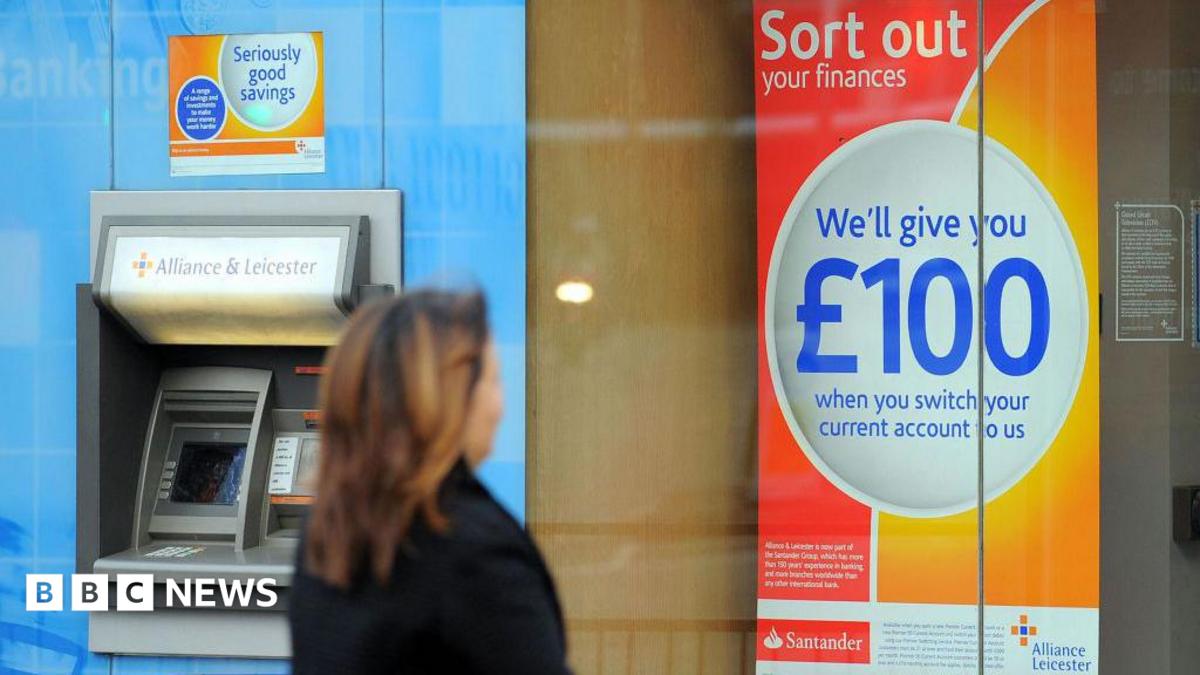
More than five UK banks are currently offering incentives to switch current accounts, with the largest bonus reaching £220, according to BBC News. The offers come as new research from Hargreaves Lansdown suggests almost two-thirds of British savers have stayed with the same bank for over a decade — loyalty that the firm estimates costs savers around £12bn a year in missed interest.
The cost of staying put
Hargreaves Lansdown's survey of 3,000 British adults in August found that 34% had moved their money in the last 12 months. Based on analysis of Financial Conduct Authority data, the firm calculates that staying put costs British savers around £12bn in missed interest every year. Simon Belsham, Hargreaves Lansdown's chief client officer, said doing nothing might be easy but "often leads to poor returns". He added: "Millions leave their cash with the same bank by default and that inertia is worth a fortune to banks, while costing British savers billions of pounds a year." Belsham noted that savers clearly care about rates, and when they move money the overwhelming reason is to secure a better return; what holds them back is the effort of repeatedly finding, opening and juggling different accounts.
What the incentives require
Many switching deals are dependent on conditions such as a minimum amount of money paid into the account in the first few weeks, or a minimum number of direct debits leaving it, the BBC reported. Sarah Coles, head of personal finance at AJ Bell, said people are "incredibly loyal" to their bank, which is why competitors need to offer sweeteners. "It's worth it for the banks, because they then have a captive audience, who are more likely to take other products from them." Coles said the bonus should be the "cherry on top" and customers shouldn't overlook other aspects such as the bank's reputation for service, overdraft charges, and the savings rate it offers. For savers, switching could also lead to a better interest rate on their money, the BBC noted.
| Metric | Figure | Source |
|---|---|---|
| Largest current-account switching bonus | £220 | BBC News |
| Savers with the same bank for 10+ years | Almost two-thirds | Hargreaves Lansdown |
| Savers who moved money in the past 12 months | 34% | Hargreaves Lansdown (3,000 adults, August) |
| Estimated annual cost of staying put | ~£12bn in missed interest | Hargreaves Lansdown analysis of FCA data |
| Banks and building societies signed to CASS | Over 50 | BBC News |
Credit report impact
Switching banks will show up on a credit report, which lenders look at when deciding how much money can be borrowed for a mortgage. Opening lots of accounts in quick succession could dent the record, but closing an old one may boost the score. Sarah Coles advised: "If you're planning to apply for a loan or mortgage in the next 12 months, you may want to wait until the deal is done."
How the switch works
The free Current Account Switch Service (CASS) lets customers move without individually transferring every direct debit or bill payment, the BBC reported. Over 50 UK banks and building societies are signed up. Customers tell their new bank the chosen switch date — allowing seven working days — and provide old account details; behind the scenes, CASS transfers payments, moves the balance, and redirects incoming payments such as benefits or salaries, and the old bank closes the account. If anything goes wrong, interest and charges made on either old or new account are refunded. However, recurring card payments such as subscriptions must be transferred manually, and old bank statements should be downloaded before the move because they will not be accessible afterwards.
For finance executives tracking the UK retail banking market, the scale of these offers — including the £220 top bonus — illustrates how aggressively banks are competing for customer relationships, according to the BBC's report. Both Belsham and Coles point to the same driver: customer inertia is valuable to banks, which is why they are willing to pay for account openings. The Hargreaves Lansdown estimate that inertia costs savers £12bn a year in missed interest, based on FCA data, provides a quantified measure of what banks gain when customers stay put.
Sources: