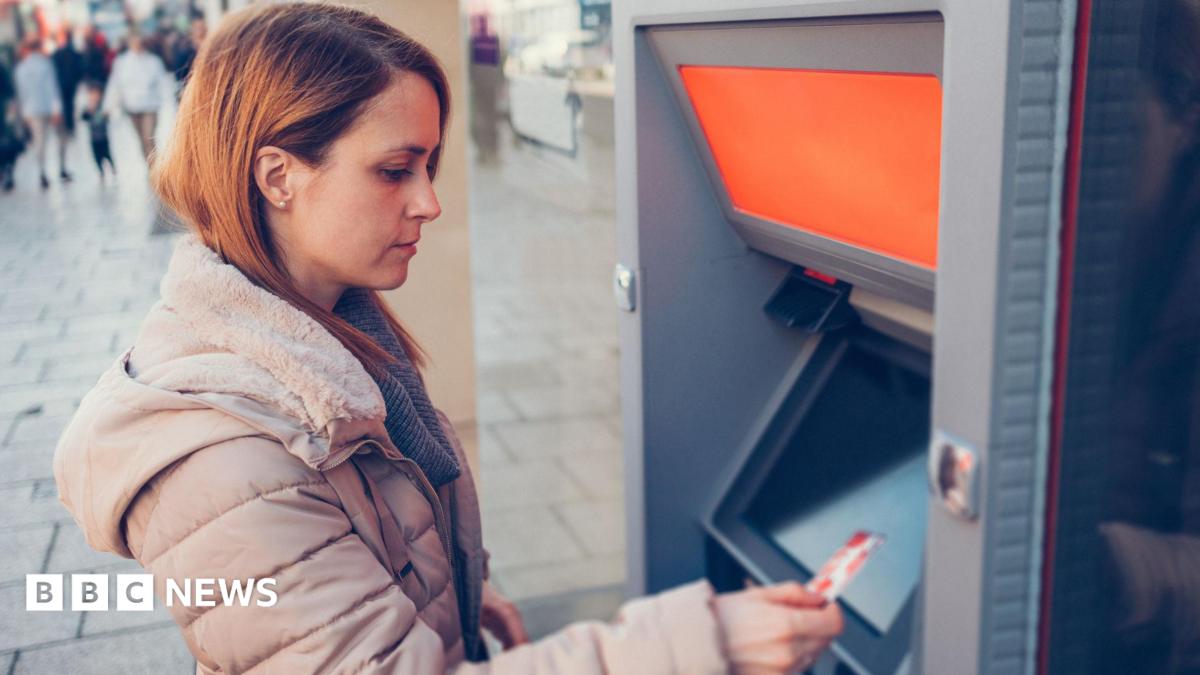
The UK's financial regulator, the Financial Conduct Authority (FCA) , has accused nine of the country's largest banks and building societies of failing their most vulnerable customers, according to BBC News. The regulator found that banks have been pushing homeless people or those in financial hardship towards unsuitable online applications, away from basic bank accounts specifically designed to serve them. These accounts are free, do not include an overdraft facility, and provide essential banking for those unable to open a mainstream account. As a result, the nine institutions have agreed to make access more straightforward.
Mystery Shopping Results
A mystery shopping exercise conducted by the FCA rated a third of experiences with basic bank accounts as poor or very poor. The exercise covered 298 interactions across branches and by telephone. The breakdown of ratings is as follows:
| Rating | Percentage |
|---|---|
| Good or very good | 28% |
| Fair | 38% |
| Poor | 20% |
| Very poor | 14% |
Problems included failing to offer these accounts to people who needed them, particularly those with no fixed address. Some pushed customers in vulnerable circumstances towards online applications to open an account that was unsuitable for their needs.
Basic Bank Accounts
Basic bank accounts have many of the same functions as a regular current account but are designed for those who might otherwise be excluded from the banking system. More than four million people in the UK hold these accounts. Key features include:
- Accepting payments such as wages and benefits, and allowing account-holders to make payments through debit cards, direct debits and standing orders
- Free, but with no overdraft facility
- Available to those who have a bad credit history, are bankrupt or have an official debt recovery plan
- Some access for homeless people, by working with charities to confirm someone's identity
The nine institutions that operate basic bank accounts are:
| Institution | Brands included |
|---|---|
| Barclays | Barclays |
| The Co-operative Bank | Co-operative Bank |
| HSBC | HSBC |
| Lloyds Banking Group | Lloyds, Halifax, Bank of Scotland |
| Nationwide Building Society | Nationwide |
| NatWest | NatWest, RBS, Ulster Bank |
| Santander | Santander |
| TSB | TSB |
| Virgin Money | Virgin Money |
Regulatory Action
The FCA has secured new promises from all nine banks. Emad Aladhal, director of retail banking at the FCA, said: "Bank accounts are important for financial inclusion, and this is about making sure the very people who could benefit from basic bank accounts are not missing out." The banks have agreed to:
- Provide the right account for customers first time
- Make it straightforward for customers without standard ID or a fixed address to open an account
- Offer alternatives to online applications to those who are vulnerable
Industry Response
Peter Tyler, director of personal banking at trade body UK Finance, acknowledged the shortcomings. He said: "We recognise that more can be done to ensure consistently good outcomes for everyone." He pointed to the Breaking the Cycle scheme, which sees banks working with housing charity Shelter to ensure people with no fixed address had access to an account.
Implications for the Banking Sector
This regulatory intervention highlights ongoing challenges in ensuring financial inclusion for the most vulnerable. For corporate treasurers and finance executives, the FCA's actions signal increased regulatory scrutiny on customer treatment across all banking segments. Institutions that fail to meet compliance standards may face reputational damage and potential fines, indirectly affecting their corporate banking relationships and the cost of financial services. As the FCA continues to enforce consumer protection, banks will need to invest in processes that serve all customers equitably, which could influence operational costs and risk profiles in the broader financial system.
Sources: