SpaceX reported a net loss of $541 million, or 9 cents per share, on revenue of $7.8 billion for the three months through June, according to Business-Today. The loss was less than half of what Wall Street analysts had forecast, while revenue surged more than 90% from a year earlier.
The debut quarterly results from the Elon Musk-led company show Starlink as the main growth driver. Connectivity revenue climbed 66% year over year, and Starlink's subscriber base doubled to 12 million, Business-Today reported. Meanwhile, infrastructure and R&D spending jumped to $18 billion from under $3 billion a year ago.
Revenue and loss at a glance
| Metric | Q2 figure |
|---|---|
| Revenue | $7.8 billion |
| Net loss | $541 million |
| Loss per share | $0.09 |
| Revenue growth (YoY) | >90% |
| Connectivity revenue growth (YoY) | 66% |
| Starlink subscribers | 12 million |
| Infrastructure and R&D spend | $18 billion |
| Infrastructure and R&D spend a year ago | <$3 billion |
Starlink powers the quarter
According to Business-Today, the biggest boost came from SpaceX's connectivity business, where revenue climbed 66% compared with the same period last year. The growth was fuelled by Starlink, whose subscriber base doubled to 12 million.
"It's not out of the question that at some point, Starlink will deliver a majority of the world's internet," Musk said in call with analysts.
AI spending and the $1 trillion target
Musk defended the aggressive investment, saying the additional spending would help SpaceX hit annual revenue of $1 trillion a year sooner than previously expected. According to Business-Today, the company is now on track to reach that milestone in 2030 instead of 2031.
According to Business-Today, the company also said it was on track to achieve a $100 billion annual revenue run rate by December. Projections shared in the report include:
- Investments in AI computing would pay for themselves in under a year.
- Plans to deploy at least 1,000 next-generation V3 Starlink satellites over the next 12 months.
- Ambitions to expand into services that compete with mobile phone providers.
Chief financial officer Bret Johnsen said investors should expect capital expenditure to remain at similar levels over the next two quarters.
Market reaction and lock-up expiry
SpaceX shares climbed 9% during Tuesday's regular trading session before surrendering most of those gains in after-hours trade, Business-Today reported. The stock has lost roughly half its value since peaking in June, shortly after the company's initial public offering, which briefly made Musk the world's first trillionaire.
Business-Today reported that investors remain concerned that Musk may have oversold the company's prospects for both future space travel and its AI chatbot, Grok. Another source of uncertainty is the upcoming expiry of the lock-up provision, which will allow insiders to begin selling shares.
From Thursday, more than 900 million shares will be released for trading, more than doubling the stock currently available in the market. It is the first of several tranches that will become eligible for trading over the coming months.
According to Forbes, the decline in SpaceX shares, along with losses in Tesla stock, has reduced Musk's wealth to $783 billion.
Starship test program
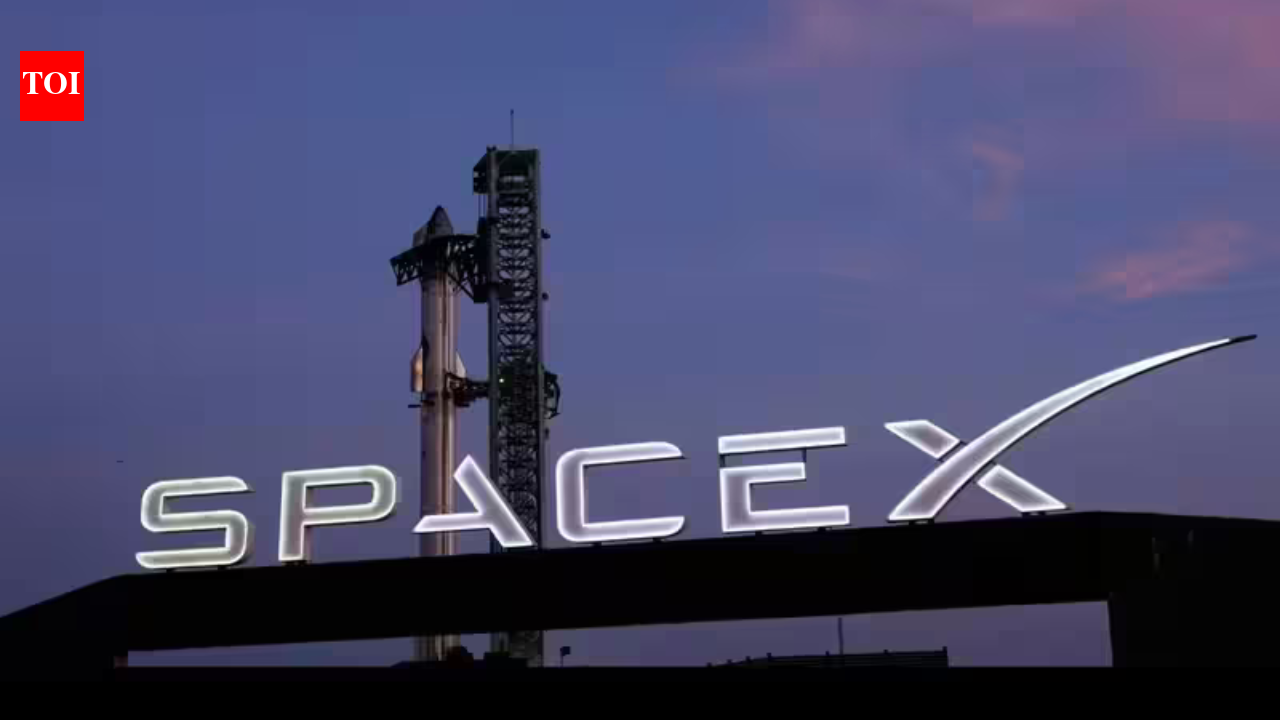
The earnings call also turned the spotlight on Starship, the massive rocket that sits at the centre of SpaceX's long-term ambitions. The spacecraft successfully deployed satellites during a test flight late last month. Musk said the next major test is expected at the end of this month, when the company will attempt to demonstrate Starship's reusability by catching both the spacecraft and its booster with mechanical arms as they return to base.
NASA hopes to use Starship to send astronauts back to the Moon in the near future.
"We want to put boots on the ground — boots on the moon — in 2028," said SpaceX President Gwynne Shotwell.
Business-Today reported that SpaceX also operates the social media platform X, formerly Twitter.
Sources: