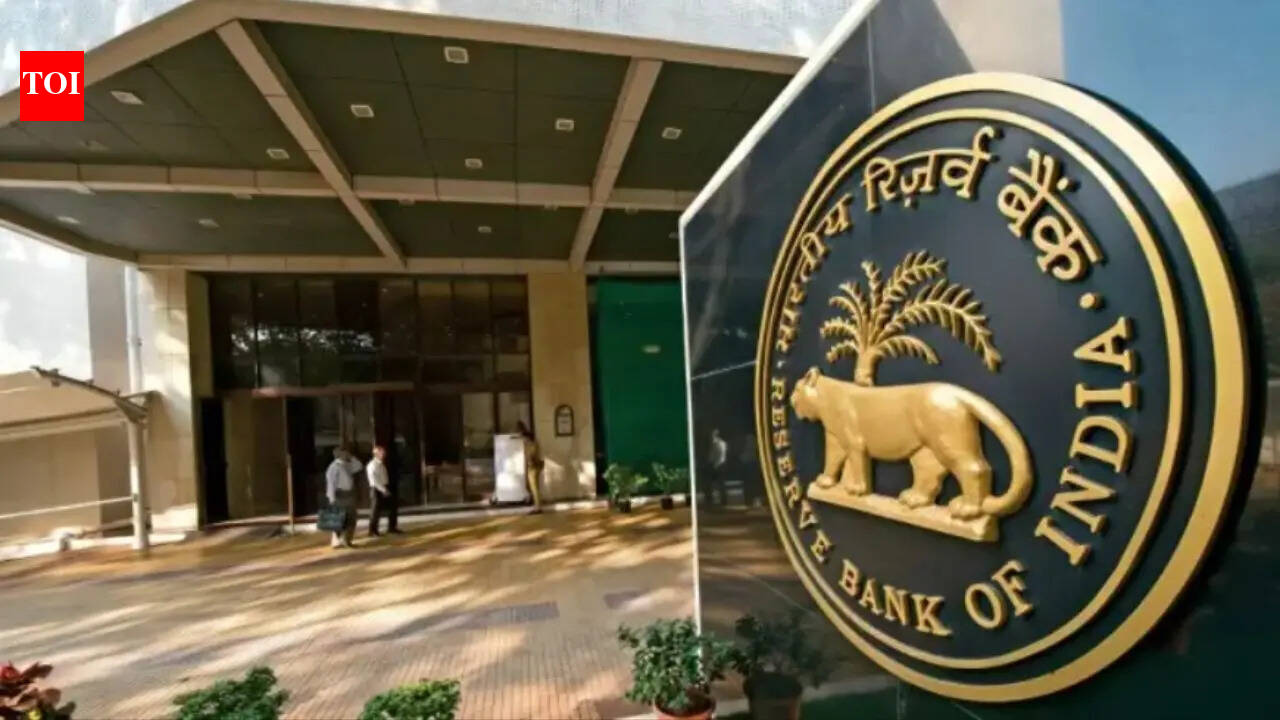
The Reserve Bank of India (RBI), under the leadership of Governor Sanjay Malhotra, has announced a series of measures aimed at bolstering India's foreign exchange reserves amidst the ongoing US-Iran conflict. This geopolitical tension has led to increased global crude oil prices, adversely affecting India's balance of payments and current account deficit.
Key Measures Announced by RBI
Expansion of the Fully Accessible Route (FAR): The RBI has widened the scope of 'specified securities' under the FAR to include all fresh issuances of 15-year, 30-year, and 40-year government bonds. This move is expected to enhance foreign participation in financing government borrowings.
Enhanced Investment Limits for NRIs and OCIs: Investment limits for Non-Resident Indians (NRIs) and Overseas Citizens of India (OCIs) in listed equity instruments have been increased. This benefit is now extended to all Persons Resident Outside India (PROIs), aligning them with NRIs and OCIs.
Concessional Forex Swap Facility: A concessional foreign exchange swap facility will be available until September 30, 2026, to encourage external commercial borrowings (ECBs) by public sector undertakings (PSUs).
Hedging Cost Coverage for AD Banks: Authorized dealer banks will receive a facility to cover the full hedging cost for mobilizing fresh FCNR(B) deposits with maturities ranging from three to five years, available until September 30, 2026.
Reinstatement of Export Proceeds Realization Period: The export proceeds realization period has been reinstated to nine months, providing exporters with more flexibility.
"While these measures are expected to strengthen our balance of payments, we will continue to make the right policy adjustments to further promote exports and attract and incentivize capital inflows," said Sanjay Malhotra, RBI Governor.
Economic Context and Implications
The US-Iran conflict has heightened global economic uncertainty, leading to volatile energy prices. For India, a major importer of crude oil, this has resulted in increased import bills, pressuring the current account deficit. The RBI's measures are designed to attract foreign capital, thereby stabilizing the rupee and enhancing forex reserves.
Expert Reactions
Economists like Dr. Arvind Subramanian, former Chief Economic Adviser to the Government of India, have praised the RBI's proactive approach. "These measures are timely and necessary to cushion the economy against external shocks," he noted.
Trade and Business Implications
For businesses engaged in international trade, these measures could lower the cost of capital and improve access to foreign funds. The enhanced investment limits for NRIs and OCIs could also lead to increased liquidity in the equity markets, benefiting companies seeking to raise capital.
| Measure | Expected Impact |
|---|---|
| FAR Expansion | Increased foreign participation in government securities |
| NRI/OCI Investment Limits | Greater equity market liquidity |
| Forex Swap Facility | Encouragement of ECBs by PSUs |
| Hedging Cost Coverage | Reduced hedging costs for banks |
| Export Realization Period | Improved export flexibility |
Overall, the RBI's strategic measures are poised to mitigate the adverse effects of the US-Iran conflict on India's economy, ensuring a more resilient financial environment.