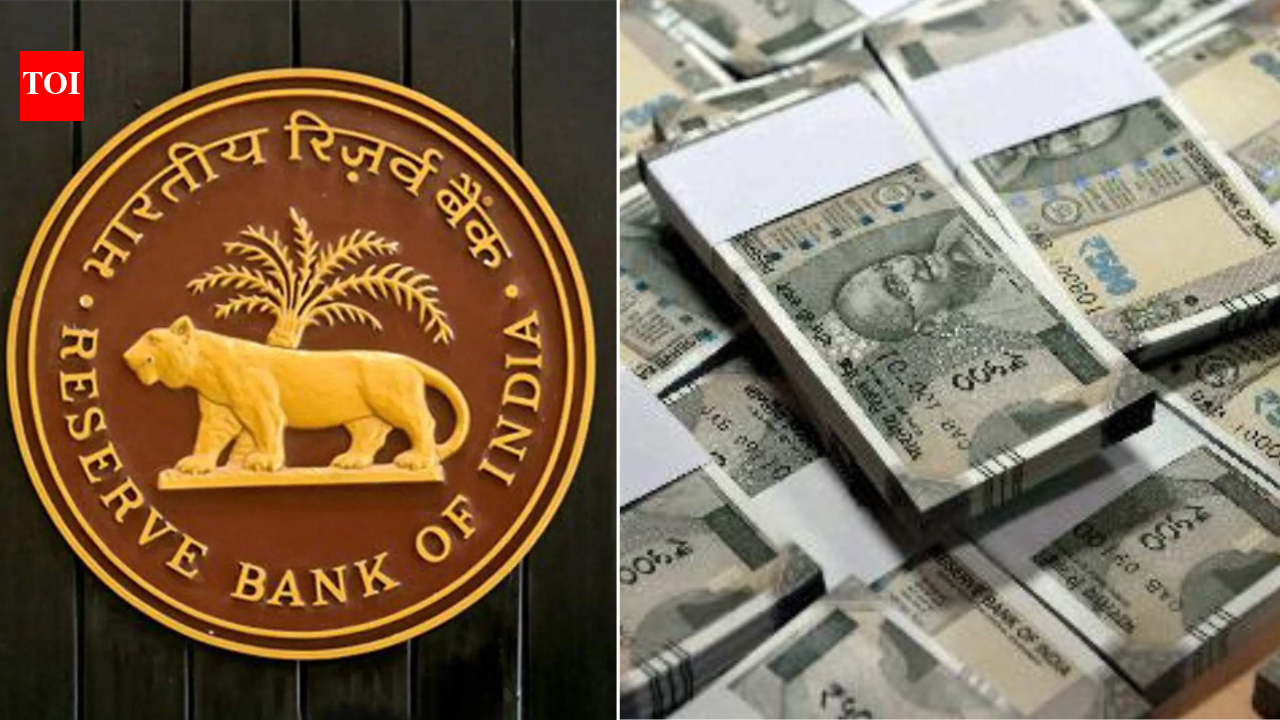
The Indian rupee surged by 50 paise to close at 95.24 against the US dollar on Friday, following the Reserve Bank of India's (RBI) announcement of new measures aimed at attracting foreign investors. This appreciation comes amid ongoing geopolitical tensions in the Middle East, which have been exerting pressure on India's external sector.
RBI's Strategic Measures
RBI Governor Sanjay Malhotra outlined several initiatives designed to enhance foreign capital inflows. Key measures include:
- Expanding the list of securities under the Fully Accessible Route (FAR) to include new issuances of 15-year, 30-year, and 40-year government bonds.
- Removing restrictions on short-term investments and concentration limits for foreign portfolio investors.
- Increasing investment limits for Non-Resident Indians (NRIs) and Overseas Citizens of India (OCIs) in listed equity instruments.
- Offering a concessional foreign exchange swap facility for public sector undertakings and authorized dealer banks until September 30.
Market Reaction and Expert Insights
Currency market participants noted improved investor confidence following the RBI's policy announcements. Anjali Verma, an economist at PhillipCapital, stated, "The RBI's proactive measures are timely and should help stabilize the rupee, providing much-needed support to India's balance of payments."
"The central bank's steps are crucial in maintaining investor confidence and ensuring that India's foreign exchange reserves remain robust," said RBI Governor Sanjay Malhotra.
Implications for Trade and Business
The RBI's measures are expected to lower the cost of capital for trade finance, as foreign investors increase their participation in government securities. This could enhance export competitiveness by stabilizing the rupee, reducing hedging costs for businesses engaged in international trade.
| Measure | Impact on Business |
|---|---|
| Expanded FAR | Increased foreign investment in government bonds |
| Concessional FX Swap | Lower hedging costs for public sector undertakings |
| Increased NRI/OCI Limits | Enhanced equity market participation |
The RBI's decision to maintain interest rates unchanged reflects a cautious approach amid external uncertainties, ensuring that the cost of capital remains stable for businesses.
In conclusion, the RBI's strategic measures are set to bolster India's economic resilience, providing a buffer against external shocks and supporting the rupee's stability in the face of geopolitical tensions.