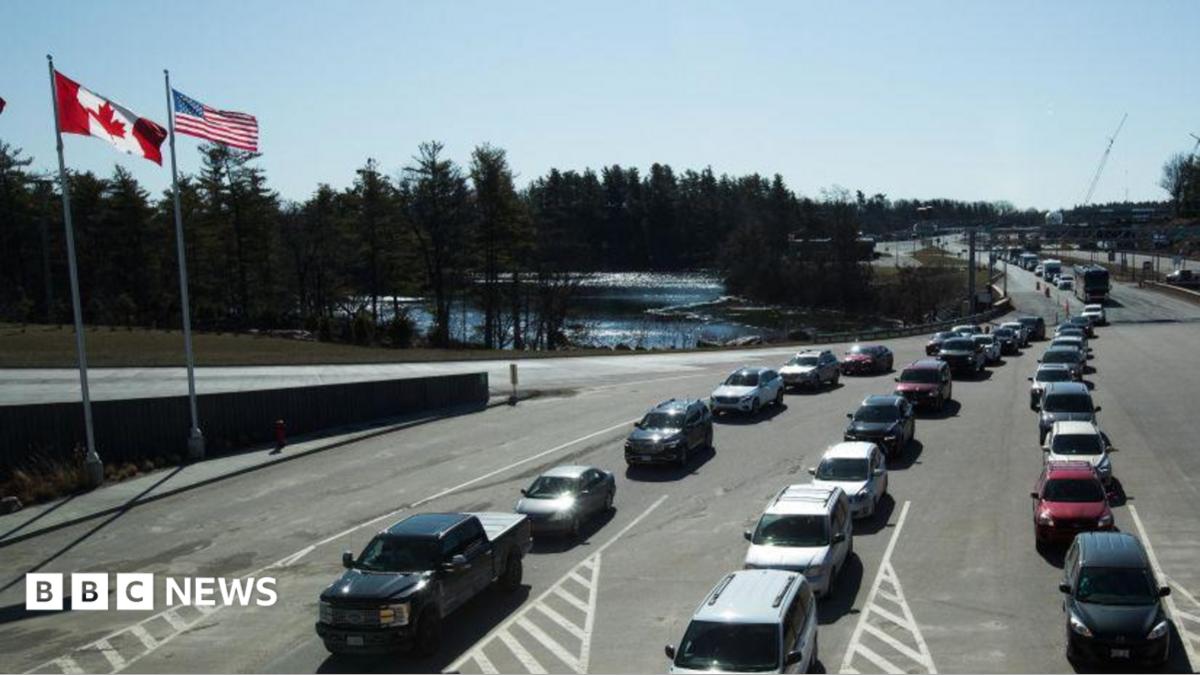
For months, policymakers, businesses and trade watchers in Washington had been bracing for a turbulent spring and summer around the future of the USMCA, the trade pact binding the United States, Canada and Mexico, according to a BBC report. But the expected fight never kicked off. Instead, the war with Iran has dominated Washington's attention, stripping away much of the political heat that was expected to surround the pact's renewal.
The Iran Conflict as a Political Buffer
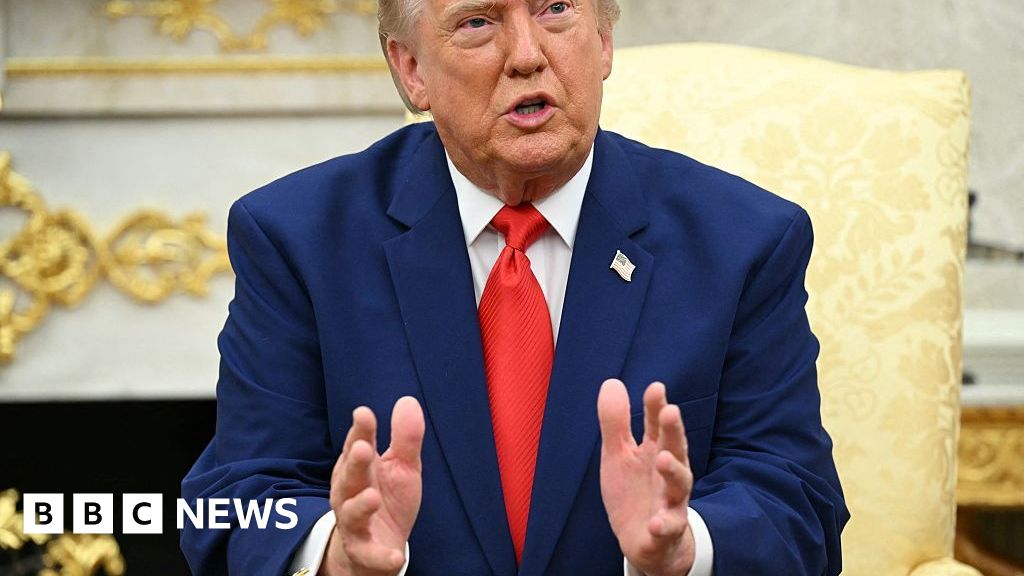
The Iran conflict has absorbed the White House's attention and, in practical terms, has become one of the best developments for keeping the trade pact out of the headlines, the BBC reported. Earlier this year, there were concerns the US might use the renewal window to force a confrontation with Canada and Mexico, or even threaten withdrawal. President Trump had already cooled on the deal he once signed, raising questions about how aggressively Washington would approach the next phase. But with foreign policy dominating the administration's agenda, the US has taken a more measured approach.
US Position and Tariff Strategy
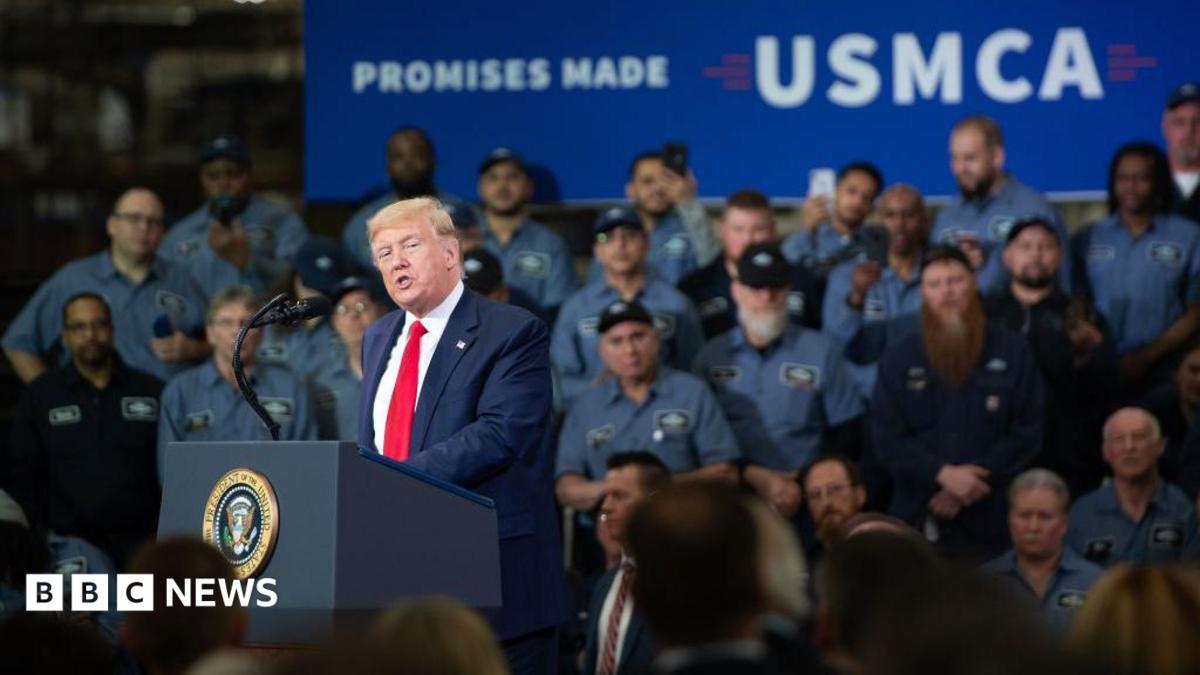
The US has confirmed it will not extend the agreement for another 16 years, while stopping short of more dramatic action. Part of that restraint reflects a belief inside the administration that the trade relationship has already been reshaped. US Trade Representative Jamieson Greer argues that the White House's tariff strategy has fundamentally altered North America's economic ties, changing the balance with Canada and Mexico in ways that make a more confrontational approach unnecessary. But if trade does become more politically driven, the US auto industry could be the biggest loser.
Strategic Implications for China
The timing is significant. Washington's effort to recalibrate its relationship with China depends in part on closer co-operation with its two largest trading partners. Introducing uncertainty into North America's economic framework risks undermining that strategy. As Arturo Sarukhan, Mexico's former ambassador to the US, put it, in World Cup terms it would be "a huge own goal".
Diplomacy Replaces Brinkmanship
The 1 July virtual meeting between the three countries, once seen as a potential flashpoint, proved subdued. The US has begun formal talks with Mexico and remains in contact with Canadian officials, suggesting negotiations are proceeding without the expected political drama. And with midterm elections approaching, analysts expect that calmer tone to continue.
The decision not to renew the pact now starts a 10-year countdown. If no extension is agreed by then, the USMCA will expire. For now, however, annual reviews and steady diplomacy have replaced the brinkmanship many once expected.
Sources: