iGEN
Visit IGEN World Explore IGEN Expo
EXPLORE UPGRADE PLANS
BREAKING
Werner Enterprises Posts Highest Revenue Per Truck Growth in One-Way Segment in a Decade CMA CGM and Stonepeak Launch United Ports LLC in $2.4 Billion Terminal Joint Venture UPS shift away from Amazon shows bigger payoff Lanesurf: 62% of Loads Get Vetted Carrier Offers Before Brokers Arrive India-China Border Trade Via Lipulekh Resumes Aug 1; China Permits 20 Traders Geopolitics Drives CMA CGM Q2 Profit Surge of 42% as Volumes and Rates Climb Benchmark Diesel Price Rises Third Week as Futures Plunge; Spread Hits Record Indian Government Limits Sugar Dealers to 400 Tonnes Stock Until November to Curb Hoarding Tenants signing longer leases for larger warehouses as 3PLs lock in capacity US stock market flat as S&P 500 and Dow barely move, Nasdaq slides over 1% on chip rout Werner Enterprises Posts Highest Revenue Per Truck Growth in One-Way Segment in a Decade CMA CGM and Stonepeak Launch United Ports LLC in $2.4 Billion Terminal Joint Venture UPS shift away from Amazon shows bigger payoff Lanesurf: 62% of Loads Get Vetted Carrier Offers Before Brokers Arrive India-China Border Trade Via Lipulekh Resumes Aug 1; China Permits 20 Traders Geopolitics Drives CMA CGM Q2 Profit Surge of 42% as Volumes and Rates Climb Benchmark Diesel Price Rises Third Week as Futures Plunge; Spread Hits Record Indian Government Limits Sugar Dealers to 400 Tonnes Stock Until November to Curb Hoarding Tenants signing longer leases for larger warehouses as 3PLs lock in capacity US stock market flat as S&P 500 and Dow barely move, Nasdaq slides over 1% on chip rout
Home ›› Intl Trade ›› Import Export ›› Export Docs ›› China tightens curbs on foreign investments amid AI, chip tech rivalry with US

China tightens curbs on foreign investments amid AI, chip tech rivalry with US

China has introduced sweeping regulations effective July 1, 2026, tightening scrutiny of overseas investments in strategic sectors like AI and semiconductors. The rules expand cross-border transfer restrictions to include services and technical expertise, impacting global technology collaborations.

iG
iGEN Editorial
July 1, 2026
China tightens curbs on foreign investments amid AI, chip tech rivalry with US

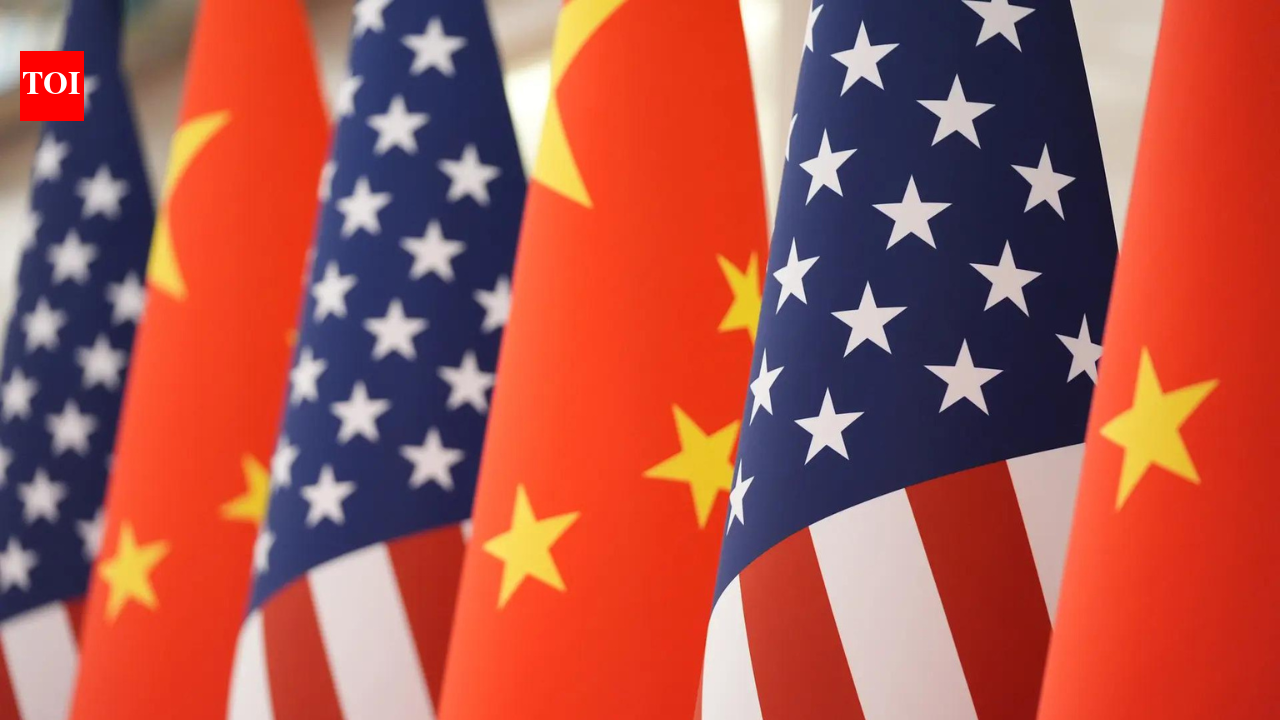
China’s State Council on June 1 announced sweeping new regulations that took effect Wednesday, July 1, 2026, tightening scrutiny of overseas investments in strategically important sectors such as artificial intelligence (AI), semiconductors, and green technology, according to news agency AFP. The rules expand the legal framework for reviewing capital, technology, and personnel movements across borders, aligning outward investments with China’s “overall national security concept,” according to provisions issued by the State Council.

Broader national security reviews

Under the new framework, Chinese authorities can conduct national security reviews of overseas investments or transfers that could affect the country’s strategic interests, according to AFP. The regulations expand existing restrictions on cross-border transfers beyond goods and data to include services, such as sending technical experts abroad or conducting overseas training programmes, as reported by AFP.

The move comes as Beijing seeks to protect its technological capabilities amid intensifying competition with the United States. China has identified sectors including:

  • Artificial intelligence (AI)
  • Advanced chips
  • Clean energy

as crucial areas for economic and strategic development.

Tightened controls on technology transfers

The new rules are expected to have a significant impact on technology-related investments and collaborations. Christopher Beddor, deputy China research director at Gavekal Dragonomics, said the regulations were aimed primarily at Chinese companies and investors.

“Chinese companies and investors are the primary target,” Beddor said, adding that overseas operations could no longer be used “as a channel to move sensitive Chinese-origin technologies beyond Beijing’s oversight,” as quoted by South China Morning Post.

The regulations prohibit Chinese entities from transferring restricted technologies through channels such as technical training, cross-border staffing or remote technical assistance, according to analysis cited by SCMP. The rules could also affect joint ventures, technology licensing agreements and cross-border research and development projects, which may require additional approvals under export-control and data compliance rules.

Meta’s blocked acquisition and enforcement discretion

China’s economic planning authorities had earlier blocked Facebook parent Meta’s attempt to acquire AI startup Manus in April, citing concerns over the transfer of strategic technology, according to AFP.

The US-China Economic and Security Review Commission raised concerns over the broad discretion given to Chinese enforcement agencies. The commission said:

“as is often the case for China’s national security-related laws, enforcement authorities have immense discretion to determine what constitutes a violation, creating further risk for foreign firms.”

Europe faces challenges in accessing Chinese AI

Analysts warned that the new rules could affect countries seeking greater cooperation with China in emerging technologies. Alicia Garcia-Herrero, Asia-Pacific chief economist at Natixis, told AFP that Beijing’s restrictions could make it harder for other countries to benefit from Chinese AI expertise.

“This is terrible for Europe, because if anybody were to believe that we would rely on China's open-weight AI models, this is wrong -- we can't,” she said.

She added that Europe would need to build strategic partnerships with other countries, as reported by AFP.

The regulations represent a significant tightening of China’s outward investment regime and are likely to complicate global technology supply chains and collaboration efforts involving Chinese entities.


Sources: Business-Today
Keep Reading

Recommended Stories

New U.S. Tariffs Target Imports From China, Mexico, Canada and 57 Other Economies Trade

New U.S. Tariffs Target Imports From China, Mexico, Canada and 57 Other Economies

The Trump administration replaced its temporary 10% global tariff with a new Section 301 tariff regime covering 60 economies that account for 99.4% of U.S. imports. The duties, ranging from 10% to 12.5%, took effect July 24, 2026, and are based on forced labor investigations. Hundreds of product exemptions and tariff-rate quotas for textiles were also announced.

July 24, 2026
China's Exports Surge 27% in June on AI Boom, Trade Surplus Widens to $125.6 Billion Trade

China's Exports Surge 27% in June on AI Boom, Trade Surplus Widens to $125.6 Billion

China's exports surged 27% year-on-year in June, far exceeding expectations, driven by booming AI-related product and semiconductor demand, according to customs data. Imports rose 36%, partly due to higher costs from the Iran conflict, widening the trade surplus to $125.6 billion from $105.4 billion in May.

July 14, 2026
Exporters Urge Indian Government Not to Reimpose Onion Export Curbs Amid Price Rise Trade

Exporters Urge Indian Government Not to Reimpose Onion Export Curbs Amid Price Rise

The Horticulture Produce Exporters Association (HPEA) has urged the Indian government not to impose fresh export restrictions on onions, warning that such curbs could undermine markets regained after a previous ban. Wholesale prices have risen over 42% at Lasalgaon APMC, while exports surged 40% to around 1.5 million tonnes in 2025-26.

July 8, 2026
India Allows Four Chinese Power Equipment Firms Into Critical Tenders Amid Political Backlash Trade

India Allows Four Chinese Power Equipment Firms Into Critical Tenders Amid Political Backlash

India has allowed four Chinese power equipment manufacturers—TBEA Energy, Nanjing Electric India, New Northeast Electric India, and Taikai Electric (India)—to participate in government tenders for critical power projects without prior security clearances. The finance ministry order dated June 24 grants a two-year exemption following a request from the power ministry. The move has drawn criticism from Congress, with party general secretary Jairam Ramesh calling it a 'calibrated capitulation' to China.

July 8, 2026