The European Union has added another 41 vessels to its Russian shadow fleet blacklist while granting Greek shipowner Dynagas a temporary reprieve from restrictions on carrying Russian LNG to countries outside the bloc, according to Splash247.
Shadow Fleet Expansion
The new listings take the number of sanctioned ships to 673. They include non-EU tankers accused of circumventing the G7 oil price cap, supporting Russia's energy industry, transporting military equipment, or carrying grain taken from occupied Ukrainian territory. For the first time, Brussels has also targeted ships providing bunkering and other services to the shadow fleet. Eight companies and one individual connected to the fleet ecosystem have been designated, including a crewing agency accused of supporting sanctioned shipping operations, Splash247 reported.
Dynagas Compromise
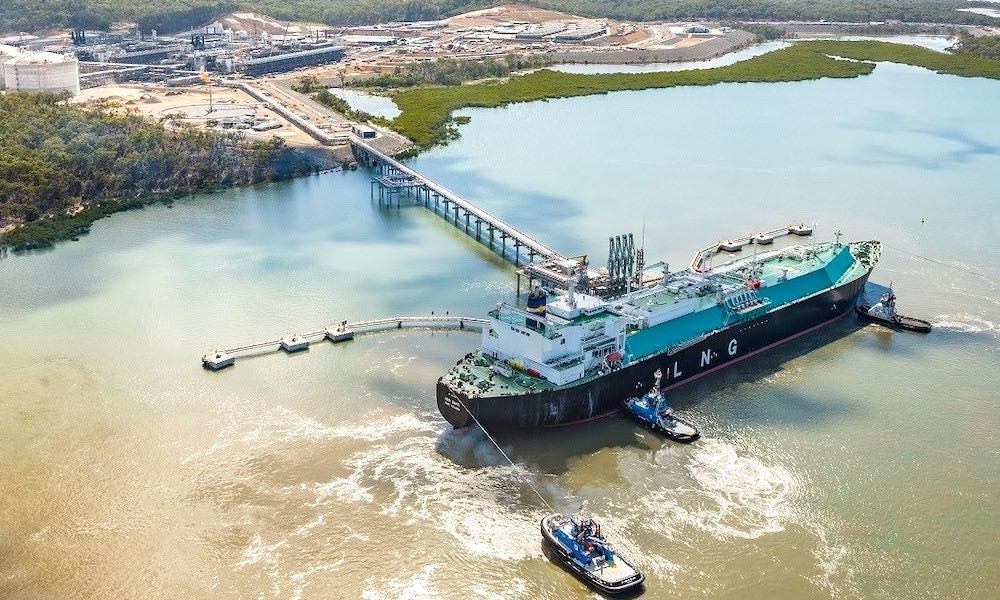
Athens secured a 12-month exemption allowing Dynagas to continue transporting Russian LNG to buyers outside the EU, provided annual volumes do not exceed 2025 levels. The exemption can be renewed and is not exclusive to the George Prokopiou-controlled owner, potentially benefiting other European companies with long-term Russian LNG exposure, according to Splash247.
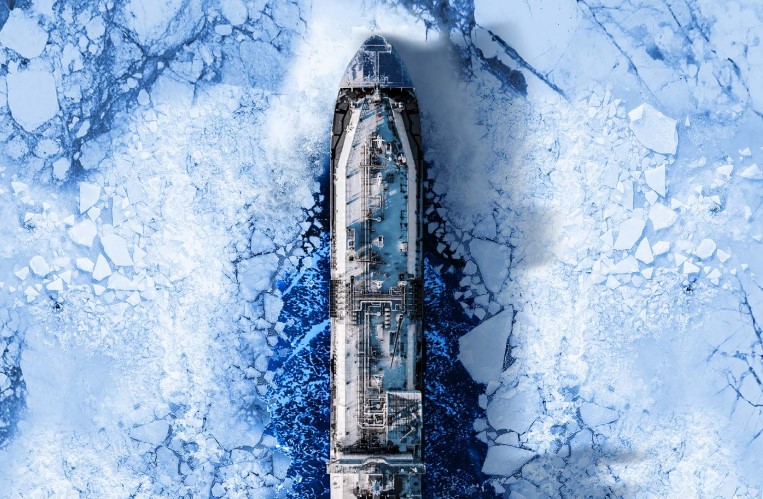
Greece had threatened to block the EU's 21st sanctions package over the impact of earlier measures on Dynagas and its ice-class LNG carrier operations. The dispute centred on restrictions due to halt Russian LNG transhipment and trading by EU companies from 2027, including cargoes ultimately destined for markets outside Europe. Dynagas argued the measures placed long-term contracts and financed ice-class tonnage at risk.
The compromise allows the trade to continue temporarily while limiting volumes, highlighting the difficulty Brussels faces in tightening energy sanctions without damaging European shipping and energy companies, Splash247 noted.
Broader Sanctions Measures
The wider sanctions package introduces notification requirements for sales of LNG carriers and gives the EU powers to impose further restrictions on ships sold to Russian companies or citizens. Sellers will face contractual obligations intended to prevent vessels being resold to Russian interests or deployed in Russian projects, according to Splash247.
Elsewhere, the package pauses the automatic adjustment of the Russian oil price cap until July 15, 2027, following the surge in crude prices caused by the closure of the Strait of Hormuz. It also extends transaction bans to 33 additional Russian financial institutions, 14 crypto platforms, two ports and four airports.
| Measure | Detail |
|---|---|
| Vessels added to blacklist | 41 ships (total now 673) |
| Dynagas exemption duration | 12 months, renewable |
| Volume limit | Not exceed 2025 levels |
| Oil price cap adjustment pause | Until July 15, 2027 |
| Financial institutions blacklisted | 33 additional Russian entities |
| Crypto platforms sanctioned | 14 platforms |
| Ports sanctioned | 2 ports |
| Airports sanctioned | 4 airports |
EU foreign policy chief Kaja Kallas said the latest measures were designed to squeeze Russia's economy and its ability to finance the war in Ukraine.
Sources: