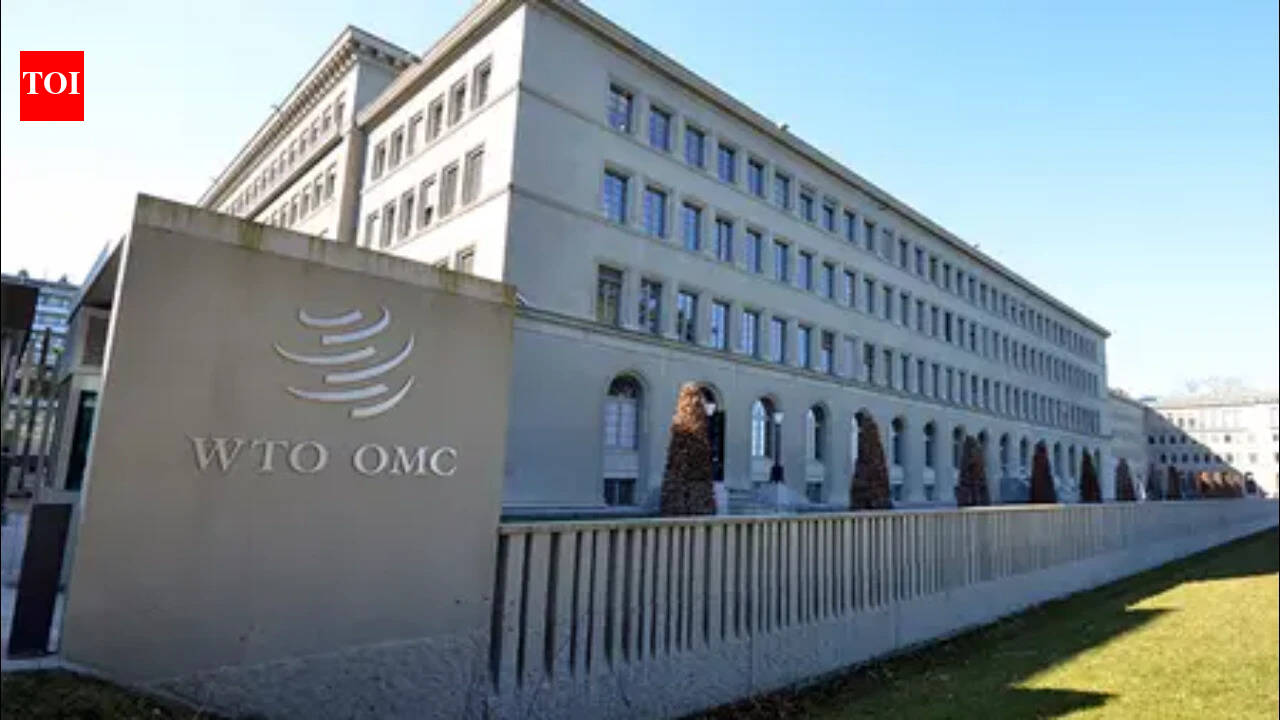
India will need to address structural challenges such as high trade costs, regulatory complexity, infrastructure gaps and barriers to deeper global integration if it is to achieve its ambition of becoming a developed nation by 2047, according to the World Trade Organisation's (WTO) latest Trade Policy Review (TPR) report.
Growth Projections and Structural Challenges
The report said India remained the fastest-growing G20 economy during the review period and was expected to maintain strong momentum. According to the WTO Secretariat's Trade Policy Review report, India's real GDP growth is projected to remain between 6.8% and 7.2% in FY2027-28. However, sustaining this growth over the long term requires deeper structural reforms to improve competitiveness and attract greater investment.
| Indicator | Value |
|---|---|
| GDP growth forecast (FY2027-28) | 6.8%–7.2% |
| Record combined exports (2025-26) | $863.1 billion |
| Exports in 2021-22 | $676.5 billion |
| Active FTAs | 19 |
The report highlighted key challenges: high trade costs, regulatory complexity, infrastructure gaps, and barriers to deeper global integration. It also noted that India's policy framework includes relatively high tariffs, import and export controls, state trading measures, and extensive budgetary support programmes, particularly for food grains and fertilisers.
"Looking further ahead, sustaining the strong economic performance needed to reach the Viksit Bharat vision of a developed India by 2047 will require addressing structural challenges, including high trade costs, regulatory complexity, infrastructure gaps, and barriers to deeper global integration," the report said.
Trade Policy and FTA Push
The WTO acknowledged India's progress in financial inclusion and trade facilitation through digitalisation, customs modernisation, liberalisation of FDI rules, and expansion of regional trade agreements. However, the report pointed out that India has increasingly relied on free trade agreements (FTAs) to improve market access. India currently has 19 active FTAs, and since 2021 has signed or concluded negotiations on eight major trade agreements. "This renewed momentum reflects a strategic shift towards securing durable market access, reducing tariff and non-tariff barriers, and linking Indian exporters with regional and global value chains," the report said.
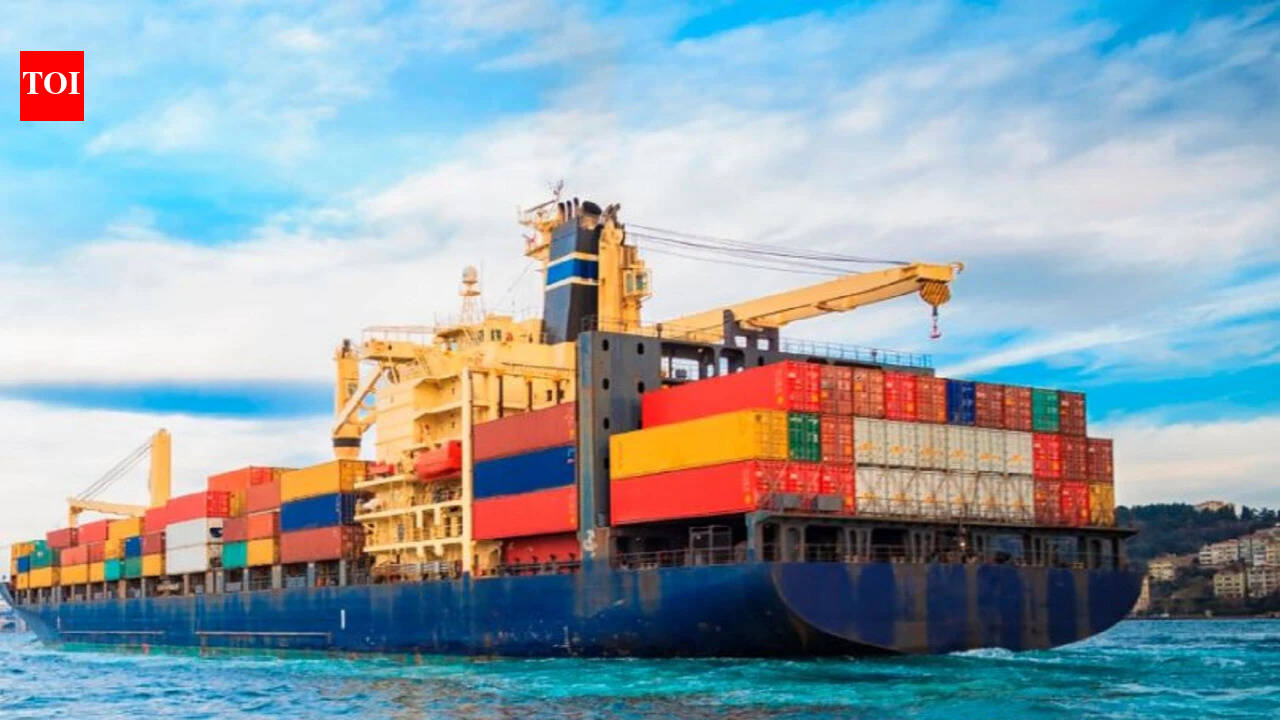
India's combined merchandise and services exports reached a record $863.1 billion in 2025-26, up 6.3% from $676.5 billion in 2021-22.
Global Headwinds and Non-Tariff Barriers
The WTO noted that India's trade performance has been affected by external shocks, including the Covid-19 pandemic, geopolitical tensions, climate-related disruptions, and export restrictions by some countries. These disrupted global supply chains and increased costs for critical inputs. The report also highlighted growing use of non-tariff measures by trading partners, including complex standards and conformity assessment procedures, which have constrained market access for Indian exporters.
India's Commitment to Rules-Based Trade
Commerce secretary Rajesh Agrawal reaffirmed India's commitment to a transparent, rules-based and development-oriented multilateral trading system during the country's eighth Trade Policy Review at the WTO. He shared details of the opening day of the review.
The WTO added that building on administrative reforms, including the Jan Vishwas (Amendment of Provisions) Acts, further efforts to improve ease of doing business, boost productivity, and reduce reliance on trade-restrictive measures could help allocate resources more efficiently and attract foreign investment. Balancing self-reliance with greater openness and active engagement in the multilateral trading system would remain key to future growth and economic resilience.
Sources: