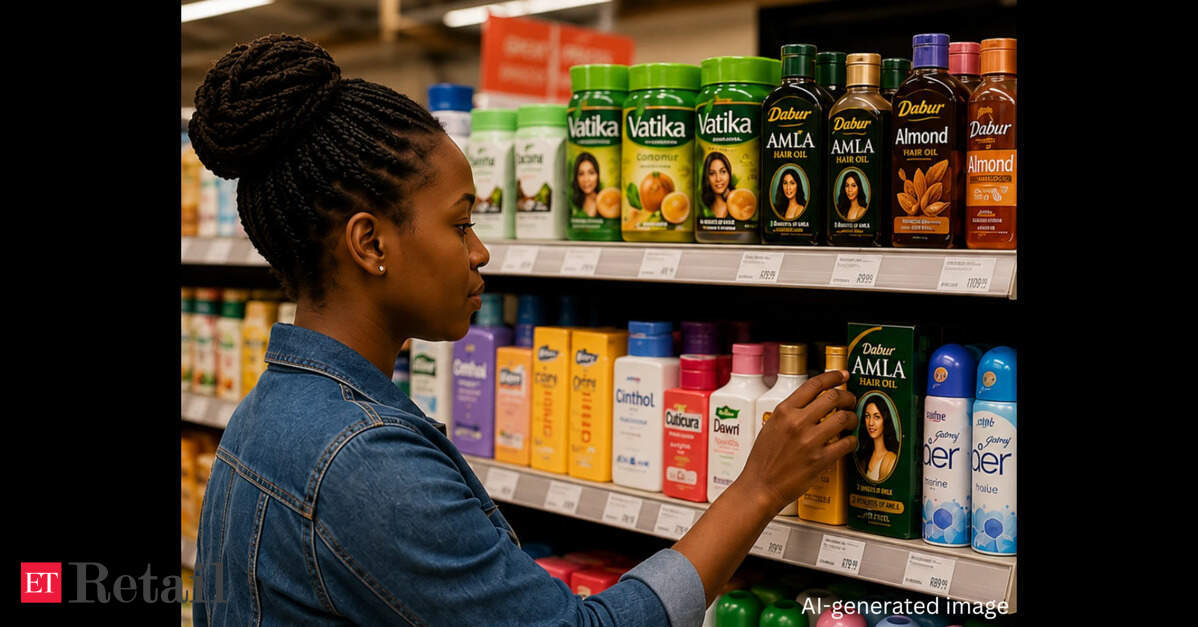
Indian businesses are preparing for a surge in Middle East demand following a peace agreement, as reported by ET Retail. Large FMCG companies such as AWL Agri Business, Parle Products and Dabur are increasing factory capacity utilisation for the Gulf market to over 90% from 45-50% during the conflict. The country's largest carmaker, Maruti Suzuki, is also preparing to scale up exports to the Middle East, which previously accounted for more than 12% of its overseas sales before volumes were diverted to other markets in the last few months.
Capacity ramps up across sectors
AWL Agri Business, India's largest edible oil marketer, plans to increase capacity utilization to over 90% from the conflict-era 45-50%. Parle Products vice-president Mayank Shah said the company plans to raise export-related capacity utilisation from 50-60% to nearly 90%. Dabur is also scaling up, targeting similar levels. Maruti Suzuki is preparing to resume higher exports; the Middle East previously generated more than 12% of its overseas sales.
| Company | Previous Capacity Utilisation | Planned Capacity Utilisation |
|---|---|---|
| AWL Agri Business | 45-50% | Over 90% |
| Parle Products | 50-60% | Nearly 90% |
| Dabur | 45-50% | Over 90% |
Price outlook and freight normalisation
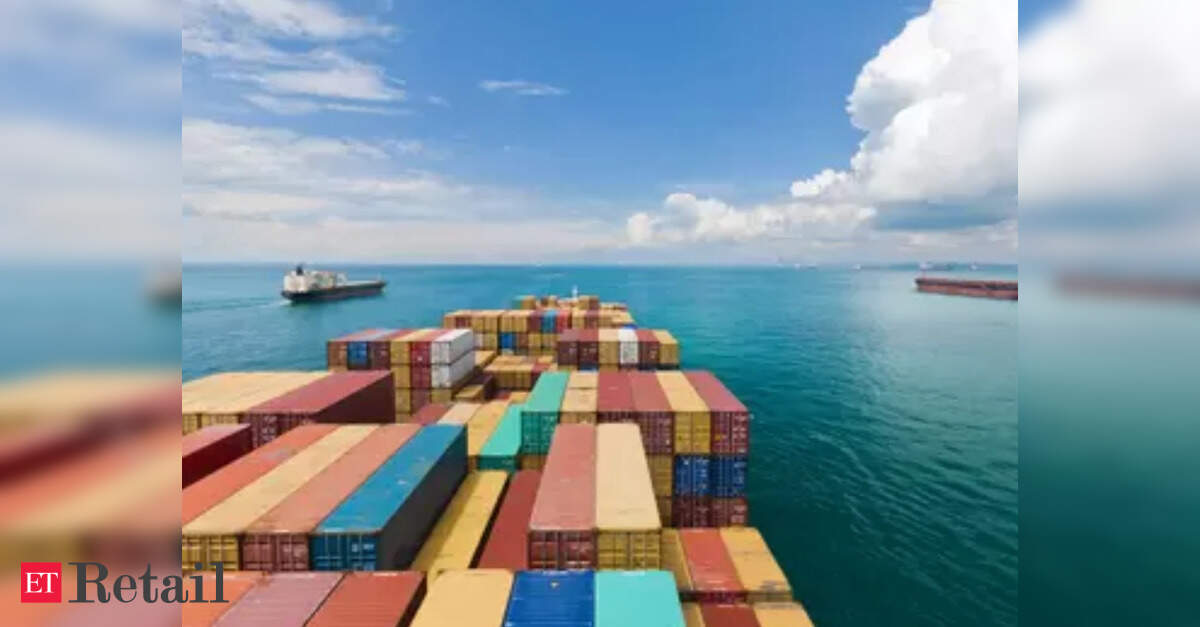
Angshu Mallick, executive deputy chairman of AWL Agri Business, said: "The Middle East markets will reopen and prices there will ease after freight rates normalise. During the conflict, a war surcharge of nearly $100 per tonne was added to freight costs, which importers ultimately passed on to consumers." He added that prices of staples could decline by 5-9%, while markets such as Iran, Iraq and Saudi Arabia would once again offer opportunities for Indian basmati rice, atta and edible oil exporters. AWL Agri Business exports products worth nearly Rs 1,000 crore annually to the Middle East.
Key markets and revenue exposure
The Middle East remains one of the most important overseas markets for Indian companies, driven by geographic proximity and a large Indian diaspora. The region contributes about 4% of overall revenue for Marico, while it accounts for nearly 35% of the international business of Dabur. Havells derives around 40% of its export revenue from the region.
Maruti Suzuki's Middle East sales constituted more than 12% of its overseas volumes before the conflict diverted shipments. With normalisation, the company expects to rebuild that share. Regarding Iran, an unnamed Shetty (as attributed in the ET Retail article) cautioned: "With regard to Iran, companies will need to carefully assess the prevailing sanctions and regulatory environment. However, given the scale of reconstruction required, there is a clear possibility of demand emerging over time."
Mayank Shah of Parle Products noted margins were under pressure during the conflict but should recover: "Margins were under pressure during the conflict but should start recovering now. Supply chains are expected to normalise and operations should become more streamlined."
For import/export professionals, the peace agreement signals a reopening of a high-value market with significant demand for staples, automobiles, and consumer goods. The normalization of freight rates and removal of war surcharges will improve cost competitiveness. However, the Iran sanctions landscape requires careful legal assessment before engaging in that market.
Sources: