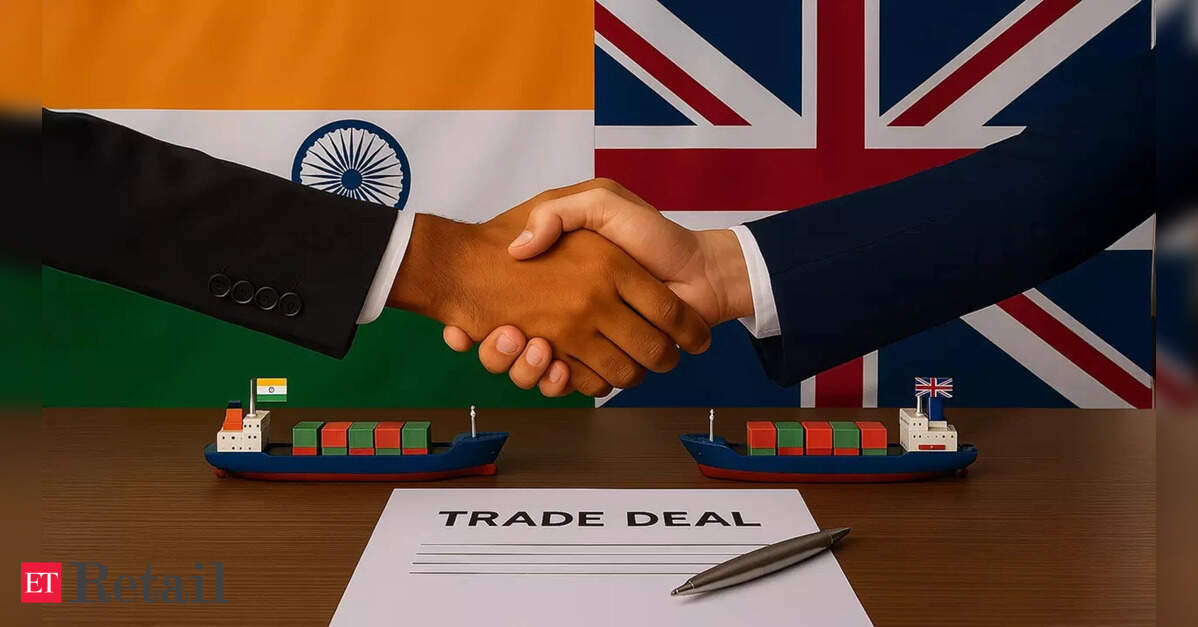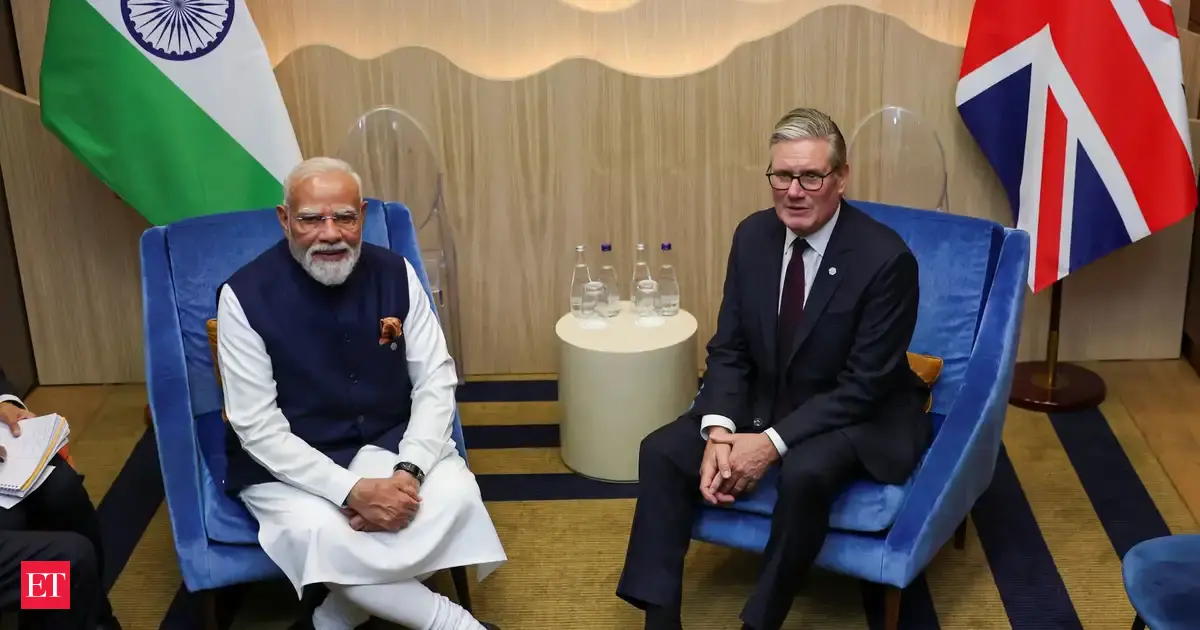
The India-UK Comprehensive Economic Trade Agreement (CETA) entered into force on July 15, 2026, and the first zero-duty consignments of Indian coffee and jewellery have already landed on UK shores, according to officials at the High Commission of India in London.
First Zero-Duty Consignments
The pact was celebrated at India House with a display of key products already benefitting from the low or no-tariff regime under the agreement. P Kumaran, the Indian High Commissioner to the UK, said: "A few consignments have already arrived under the CETA, which basically covers about 99 per cent of all the tariff lines under which India exports to the UK, and therefore we expect that the benefits will be significant."
Among the businesses showcasing their products were Nysa Creations, a London-based jewellery importer, and Odisha's Kruti Coffee, which plans to open its first UK cafe soon. Jeeta Mona, co-founder of Kruti Retail Ventures, presented a symbolic Kruti Coffee tin to officials at India House, stating: "It is a milestone moment for Kruti Retail Ventures as our coffee consignment is the first Indian coffee consignment to the UK under CETA, despatched from Kolkata for the opening of our first international cafe in London on August 1."
Business and Government Celebrations
The event also witnessed the formal launch of a new High Commission of India LinkedIn social media facilitation forum, designed to help businesses, exporters, importers, and investors leverage the full benefits of CETA. Additionally, a toolkit collated by the Federation of Indian Chambers of Commerce and Industry (FICCI) was highlighted as a guide for Indian businesses navigating the post-CETA trading regime in the UK. The guide, titled 'India-UK CETA: A Guide to UK Import Requirements for Indian Exporters', consolidates information on key UK standards and regulatory requirements to support India's small and medium enterprises (SMEs) with their expansion plans in Britain.
Long-Term Economic Impact
According to Department for Business and Trade (DBT) estimates cited at the event, CETA is forecast to increase bilateral trade by 25.5 billion pounds annually in the long run. The agreement is also projected to boost India's GDP by 5.1 billion pounds and the UK's GDP by 4.8 billion pounds by strengthening supply chains, supporting jobs, and opening new opportunities for businesses across both countries.
| Key CETA Impact Estimates (DBT) | Value |
|---|---|
| Annual bilateral trade increase | £25.5 billion |
| India GDP boost | £5.1 billion |
| UK GDP boost | £4.8 billion |
| Tariff lines covered (India exports) | 99% |
| Effective date | July 15, 2026 |
The arrival of these first consignments signals the immediate operationalisation of zero-duty trade under CETA. For importers and exporters, the agreement eliminates duties on 99% of India's export tariff lines to the UK, covering products such as coffee and jewellery. The FICCI toolkit provides practical guidance on UK import requirements, helping SMEs navigate regulatory standards. As businesses begin to access preferential tariffs, the long-term GDP and trade projections underscore the agreement's potential to reshape India-UK commercial relations.
Sources: