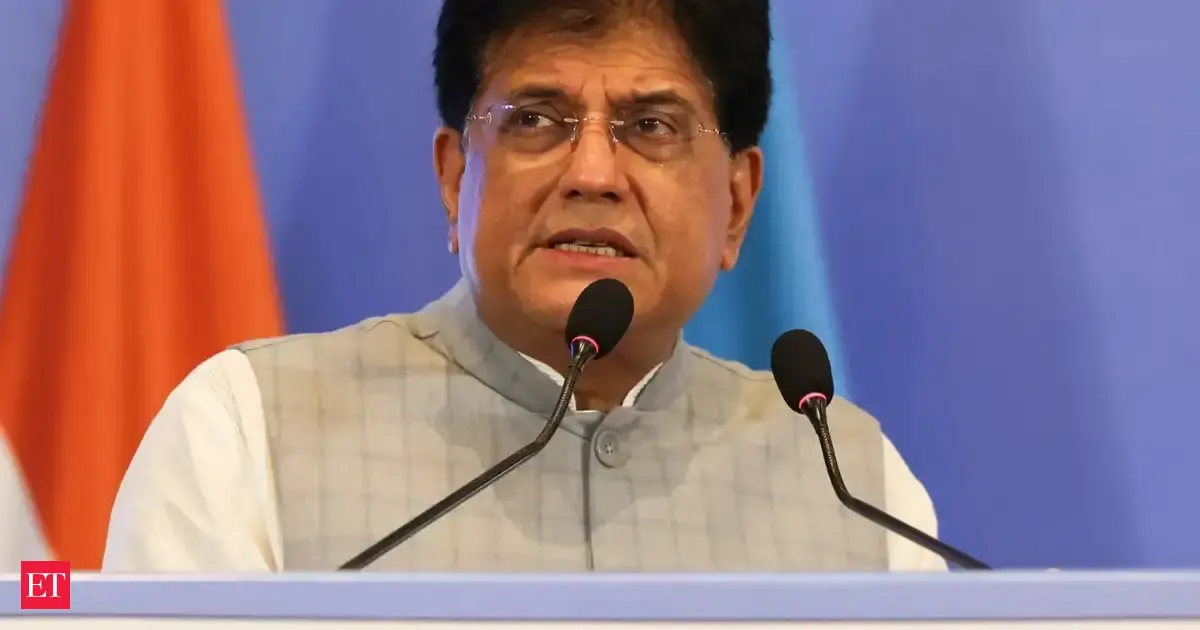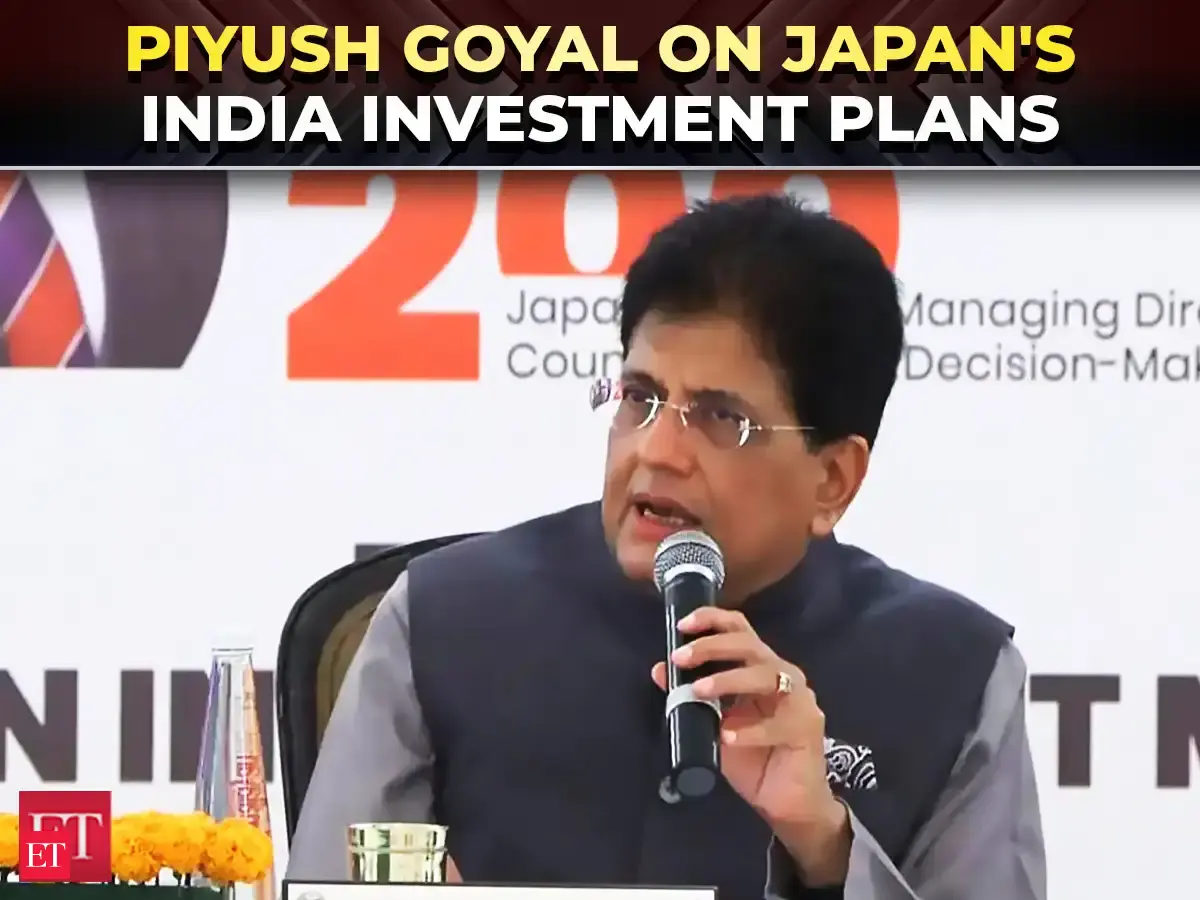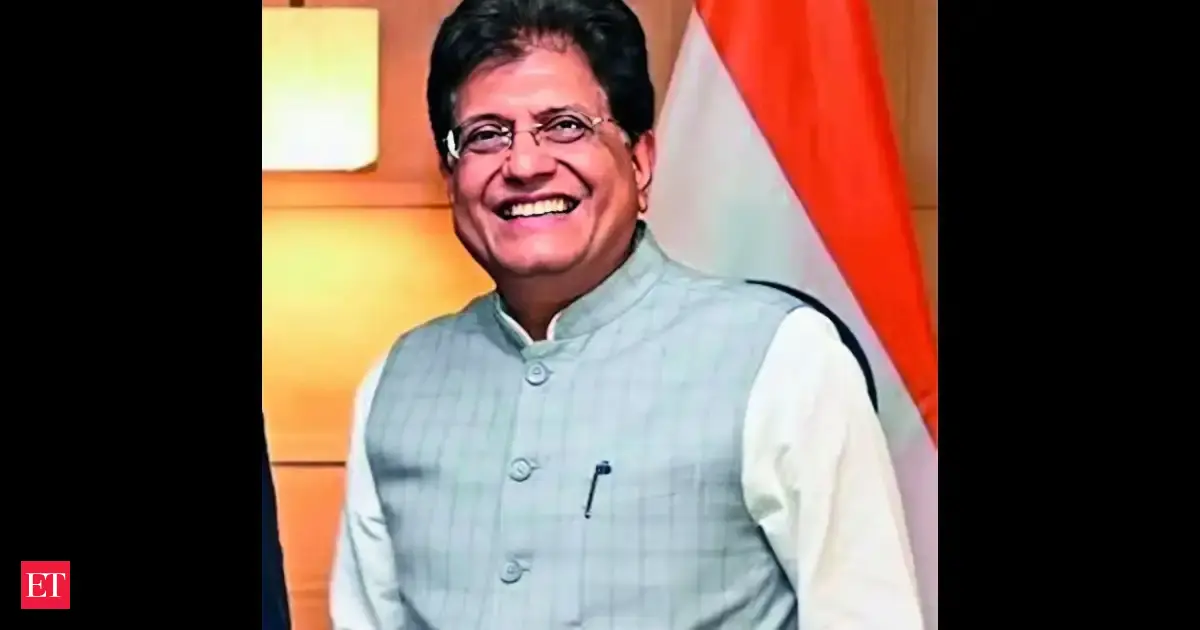
Bilateral trade between India and Uzbekistan currently stands at about $1.5 billion, and the two countries should double that figure within three years, according to Piyush Goyal, speaking at the India-Uzbekistan Business Forum organised by Ficci. The Economic Times reported Goyal's remarks, in which he described the potential between the two countries as "very promising" and highlighted their complementary strengths. "We hardly compete in any area," Goyal said, adding that the two nations together can look at capturing world markets.
Doubling bilateral trade
Goyal invited businesses from both countries to co-invest, co-manufacture and co-innovate, framing the partnership as one that extends beyond simple trade in goods. He said India and Uzbekistan have complementary strengths, with hardly any area of competition between them, according to The Economic Times. That complementarity, he argued, would allow both countries to jointly pursue opportunities in world markets. A doubling of the current trade level, which stands at about $1.5 billion, implies a target of roughly $3 billion over the three-year period.
We believe that the potential between India and Uzbekistan is very promising. They have complementary strengths to India. We hardly compete in any area. So together, we can look at capturing world markets.
These remarks were delivered at the India-Uzbekistan Business Forum, an event organised by Ficci, as reported by The Economic Times.
Complementary strengths
The Economic Times reported that Goyal identified India's strengths in information technology, a skilled workforce and digital public infrastructure. Uzbekistan, on the other hand, offers opportunities in mining and cotton production. These complementary profiles were the core of his argument for expanding bilateral trade, as the two economies can fill gaps in each other's supply chains.
| India's strengths | Uzbekistan's opportunities |
|---|---|
| Information technology | Mining |
| Skilled workforce | Cotton production |
| Digital public infrastructure | — |
Because the two economies hardly compete in any area, as Goyal put it, the expansion of bilateral trade is being framed as a joint effort to capture world markets rather than a competition for market share at home.
Bilateral Investment Treaty
Goyal also referred to the recently concluded Bilateral Investment Treaty between India and Uzbekistan. According to The Economic Times, he said the treaty would boost investor confidence and encourage businesses to invest in both countries. The exact date of the treaty's conclusion was not disclosed in the report.
Traditional medicine cooperation
Beyond trade and investment, Goyal proposed reviving cooperation in traditional systems of medicine, naming Ayurveda, Yoga and Unani specifically. The proposal, as reported by The Economic Times, underscores a broader bilateral agenda that spans healthcare and wellness services alongside merchandise trade. This initiative would complement the trade target by adding a services dimension to the economic relationship.
The combination of a doubling target, a recently concluded investment treaty, and proposed cooperation in traditional medicine points to a deepening economic relationship between India and Uzbekistan. Goyal's comments at the Ficci-organised forum suggest that both governments view the relationship as one of complementarity rather than competition, and that the private sector in both countries is being called upon to co-invest, co-manufacture and co-innovate.
Sources: