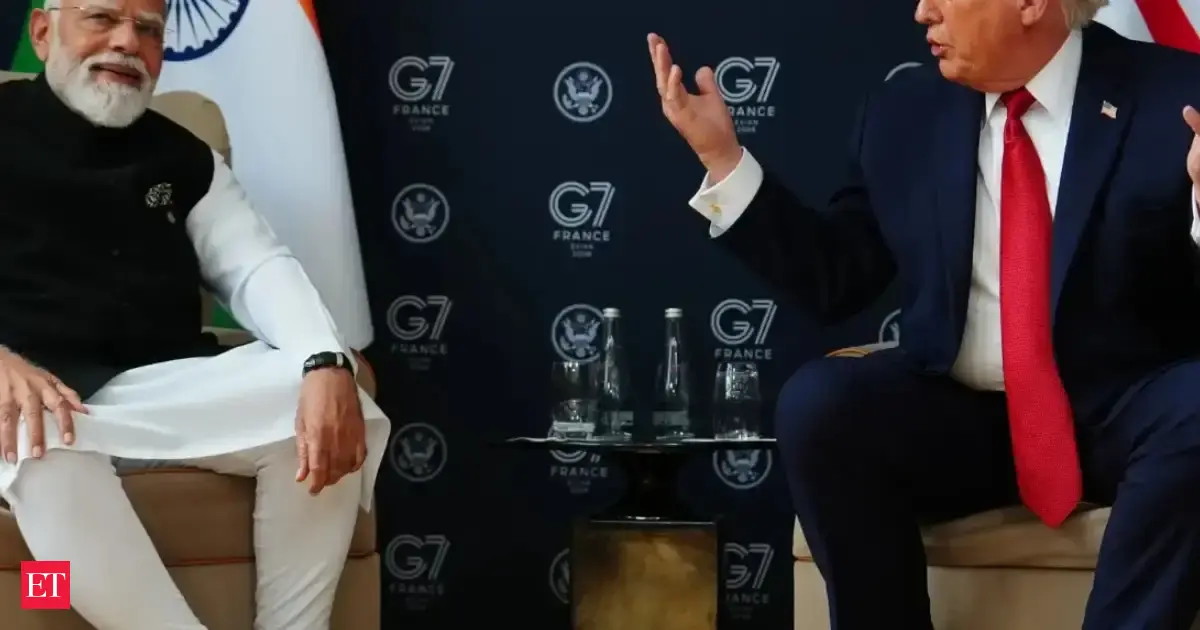
India remains in regular contact with the United States on the proposed bilateral trade agreement (BTA), according to The Economic Times. Commerce Secretary Rajesh Agarwal told reporters: "We are engaged with the US side on the trade deal and our contacts are regular." The statement signals continued momentum on a deal that both countries had been preparing to sign, though shifting US tariff policies and a Supreme Court ruling have complicated the timeline.
BTA first phase finalised in February
According to The Economic Times, both countries had finalised the contours of the first phase of the BTA in February. However, shifts in the US tariff landscape have triggered fresh rounds of negotiation. The US Supreme Court's decision striking down the earlier reciprocal tariff structure imposed by President Donald Trump added further complexity to the timeline. Despite this, officials have previously maintained that the groundwork for the framework deal is largely complete and both sides are simply waiting for the right moment to sign.
Comparative tariff advantage set as condition
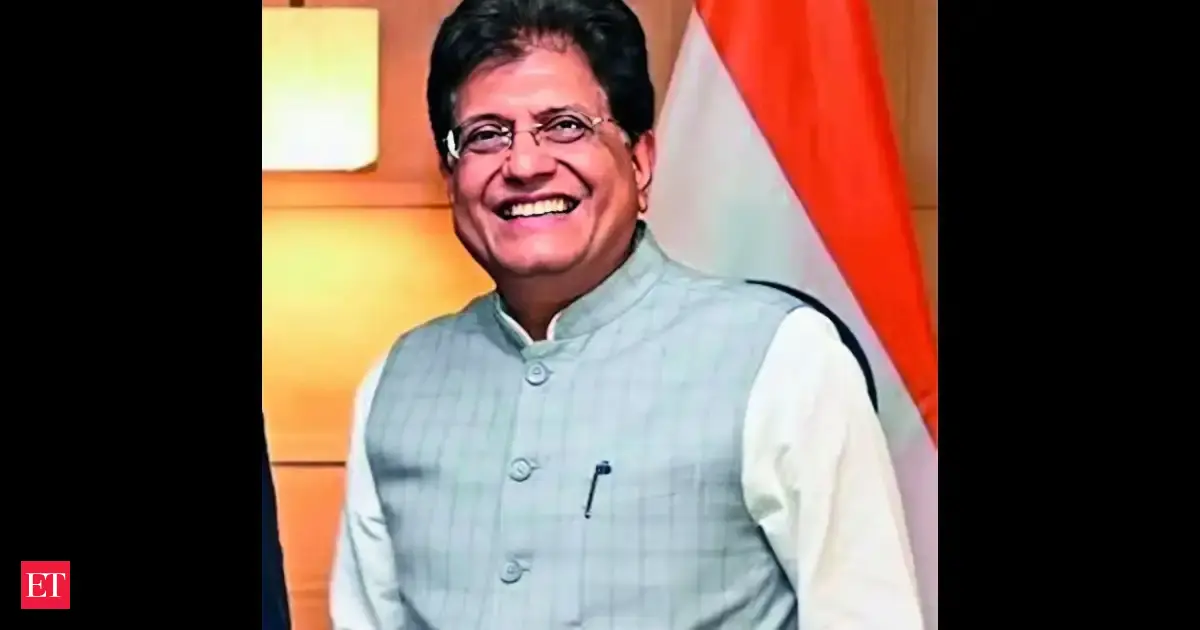
Commerce and Industry Minister Piyush Goyal has said the first tranche of the agreement will come into force only once the US ensures India gets a comparative tariff advantage over its export competitors, according to The Economic Times. The competitors named include:
- Sri Lanka
- Bangladesh
- Thailand
- Cambodia
- Vietnam
- Indonesia
- Malaysia
All of these countries compete with India in the American market. The US has levied an additional 10 per cent tariff on goods from India and several other countries since July 24. A tariff edge over these competing exporters would significantly boost the price competitiveness of Indian goods in the US.
Trade figures and targets
The Economic Times reported that India exported goods worth roughly $87 billion to the US in FY26. The two countries are targeting bilateral trade of $500 billion by 2030, up from the current $191 billion, a goal that would require the BTA's swift conclusion. The BTA was formally proposed in February following directives from the leadership of both nations.
| Metric | Value |
|---|---|
| India's goods exports to US in FY26 | ~$87 billion |
| Current India-US bilateral trade | $191 billion |
| Target bilateral trade by 2030 | $500 billion |
| Additional US tariff on Indian goods since July 24 | 10% |
Russian oil bill and UPI clarification
A government source described the US bill on Russian oil as "a matter of concern" but said India is closely tracking developments and remains in touch with US counterparts at multiple levels, according to The Economic Times. The source also pushed back on suggestions linking India's UPI reforms to the trade talks, calling such claims "misleading and factually incorrect."
Official engagement and next steps
Agarwal said a functioning trade deal would bring greater stability and predictability to the India-US trade relationship, allowing businesses on both sides to plan with more confidence. The Commerce Ministry reiterated that India continues to actively engage with US authorities to resolve outstanding trade issues and is working toward an early conclusion of the BTA. Goyal and US Trade Representative Jamieson Greer held bilateral talks in June on issues concerning the first phase of the agreement. With both sides still waiting for the right moment to sign, the tariff advantage question remains central to the deal's conclusion.
Sources: