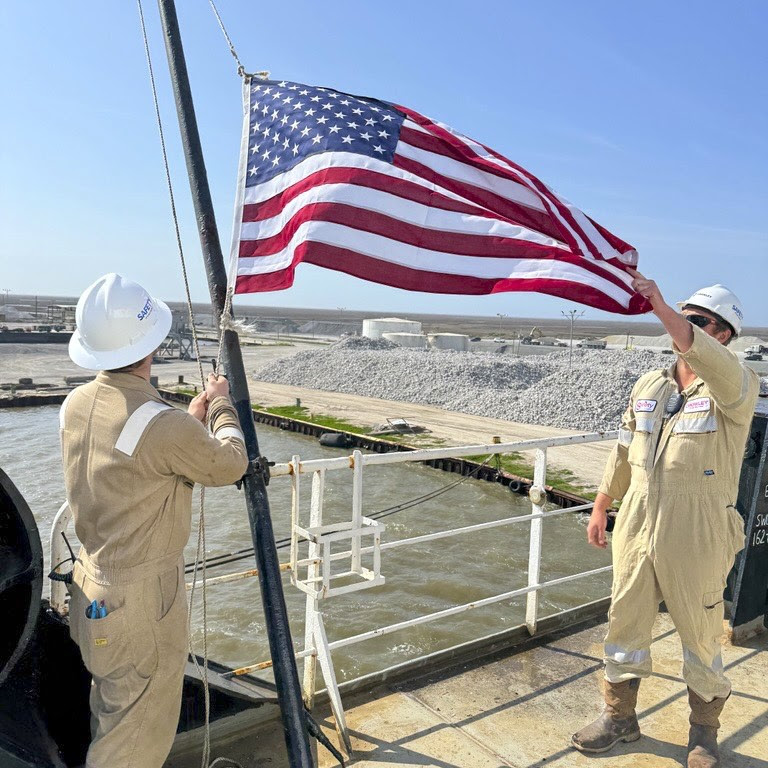
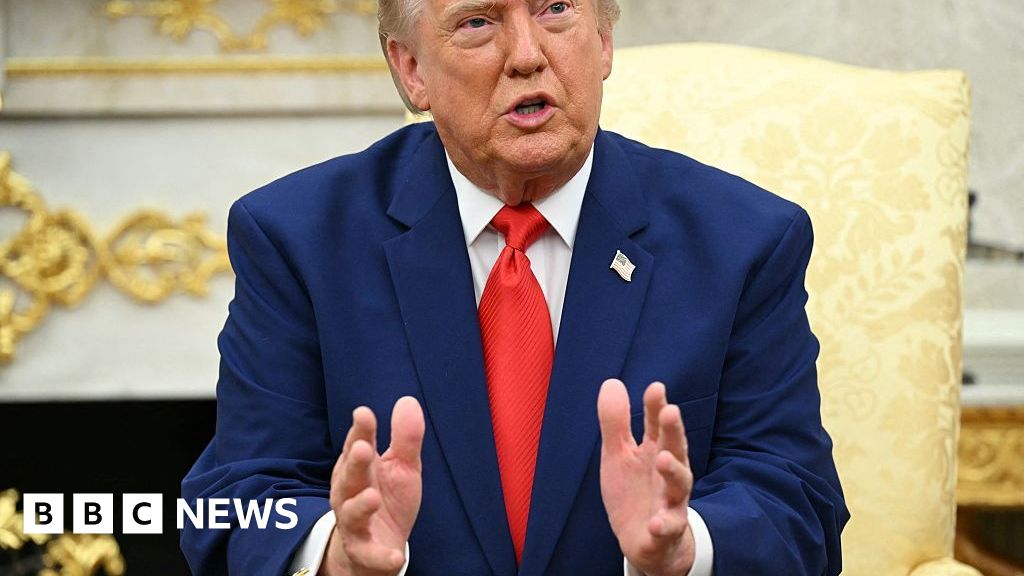
According to Splash247, US President Donald Trump has extended for another 90 days the unprecedented waiver allowing foreign-flagged ships to move oil and other commodities between American ports, albeit with tighter controls following fierce opposition from the domestic maritime industry.
Extension details and scope
Splash247 reported that the waiver, introduced in March as the Iran war disrupted global energy flows, is already the longest suspension of the century-old Jones Act. The latest extension takes effect on August 17, with individual voyages now subject to review by the Pentagon and the Maritime Administration rather than receiving blanket exemptions. The waiver will focus on energy and agricultural commodities.
White House rationale and waiver usage
The White House argues the measure has increased domestic deliveries of gasoline, diesel and jet fuel and is necessary to guarantee supplies to the military and critical industries as disruption around Hormuz continues, according to Splash247. More than 200 otherwise prohibited domestic tanker voyages have taken place under the waiver.
Congressional opposition
The decision comes despite increasingly vocal opposition from shipbuilders, maritime unions and lawmakers, Splash247 reported. House Speaker Mike Johnson and 51 fellow Republicans wrote to Trump last month urging him to let the waiver expire, arguing that allowing foreign tonnage into domestic trades undermines US maritime jobs, shipbuilding capacity and national security.
Industry opposition
The American Maritime Partnership has been equally combative, the outlet said. President Jennifer Carpenter labelled the previous extension an affront to US maritime workers and argued that weakening the Jones Act directly contradicts Trump's stated goal of restoring American maritime dominance.
At a glance
| Waiver element | Detail |
|---|---|
| Introduced | March, during Iran war |
| Latest extension | 90 days, effective August 17 |
| Oversight | Individual voyages reviewed by Pentagon and Maritime Administration |
| Commodity focus | Energy and agricultural commodities |
| Domestic tanker voyages under waiver | More than 200 |
What it means for importers and exporters
For trade professionals moving energy or agricultural commodities between US ports, the extension means foreign-flagged tonnage remains available for at least another 90 days, though each voyage now requires case-by-case approval from the Pentagon and the Maritime Administration, according to Splash247. The tighter controls replace blanket exemptions and could affect approval timelines for individual ship movements. The waiver's focus on energy and agricultural commodities signals that other cargo categories will not benefit from this flexibility.
Sources: