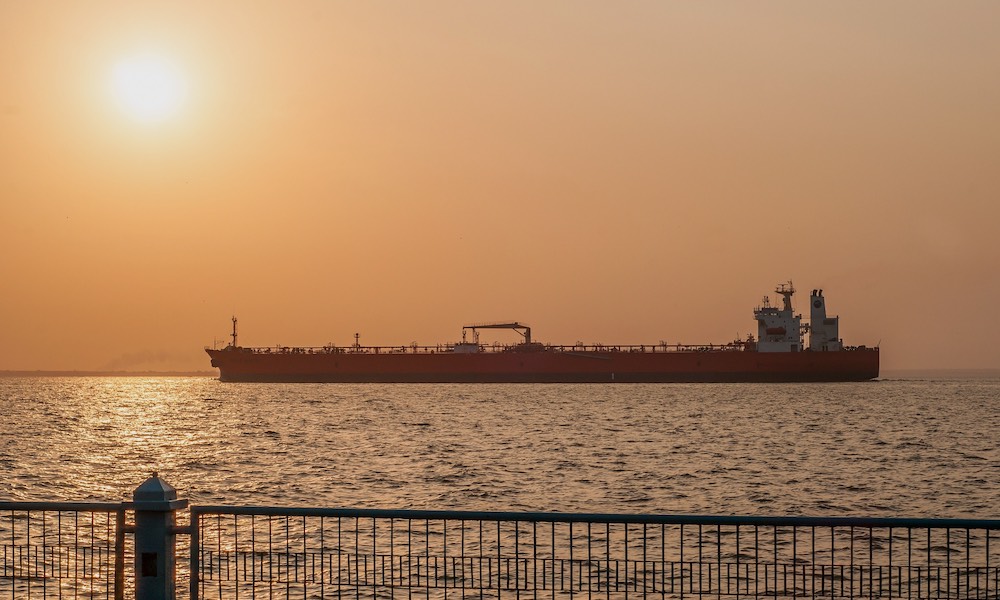
Americans for Prosperity (AFP), the flagship advocacy organization backed by conservative industrialist Charles Koch, has launched a six-figure digital ad campaign urging Congress to permanently repeal the Jones Act, according to a FreightWaves report. The push follows President Donald Trump’s temporary 90-day suspension of the law in March 2026, prompted by the closure of the Strait of Hormuz and concerns over price-gouging and shortages of fuel, fertilizer, and other vital commodities.
What the Jones Act requires
The Jones Act, a century-old law, mandates that ships carrying cargo between U.S. ports must be U.S.-built, U.S.-owned, U.S.-crewed, and U.S.-flagged. Supporters argue it sustains the domestic maritime industry and national security, but critics like AFP claim it acts as a hidden tax on consumers.
AFP’s campaign and rationale
AFP plans a combination of targeted digital advertising and a nationwide grassroots letter-writing effort to push for permanent repeal. The organization stated: “The century-old shipping mandate continues to needlessly drive up the cost of fuel, food, and energy for American families.” The campaign is specifically focused on key states and districts, particularly members of the House Committee on Transportation and Infrastructure, as well as senators who campaign on lowering costs for working families.
Brent Gardner, AFP Chief Government Affairs Officer, said in a release: “For more than a century, Washington has forced families to pay a hidden tax every time goods move between our own ports, and it is way past time to put an end to this failed regulation that has decimated the industry it was intended to help.” He added: “You cannot claim to care about the cost of living while defending a law you have to suspend every time families need relief. Our message is simple: with a single vote, Congress can lower costs for every household in the country. It’s time to repeal the Jones Act.”
The Trump waiver and its impact
Trump issued the emergency waiver after Iran closed the Strait of Hormuz, through which 20% of the world’s crude oil passes. The suspension initially lasted 60 days and was extended to 90 days, permitting foreign-flag ships to operate in coastwise trade, such as carrying fuel from the Gulf Coast to eastern markets. Analysts cited in the FreightWaves article said the waiver provided temporary but modest economic benefits—primarily by increasing shipping options—but did not significantly reduce consumer fuel prices in the immediate term. The suspension also created uncertainty for the U.S. maritime industry over jobs and for carriers engaged in coastwise trade.
AFP noted that the waiver demonstrated that a fully-booked Jones Act fleet was supplemented and not displaced by foreign vessels, arguing this undercuts claims that the law is needed to preserve the U.S. fleet.
Koch Industries’ interests
Koch Industries, based in Wichita, Kansas, with annual revenues of $125 billion, has significant operations in petroleum refining, chemicals, and fertilizer production—sectors that would likely benefit from a Jones Act repeal. The company’s billionaire owner, Charles Koch, is a longtime backer of AFP and free-market policies.
Context: inflation and midterms
The campaign launches as inflation and rising consumer prices for food, gas and other staples have made affordability a central voter issue ahead of the midterm elections. It follows a May 6 coalition letter urging Congress to repeal the Jones Act as part of AFP’s larger affordability agenda.
Stakeholder positions at a glance
| Stakeholder | Position | Key Action/Argument |
|---|---|---|
| Americans for Prosperity | Pro-repeal | Six-figure ad campaign; letter-writing to Congress; argues Jones Act is a hidden tax on families. |
| President Trump | Temporary suspension (90 days) | Issued waiver due to Iran crisis; cites price-gouging and supply concerns. |
| Koch Industries | Implicitly pro-repeal | $125B revenue; benefits from lower shipping costs for petroleum, chemicals, fertilizer. |
| Jones Act supporters | Anti-repeal | Not quoted in source; typically include U.S. maritime unions, shipbuilders, and national security advocates. |
Implications for trade and logistics
For international trade executives and logistics professionals, a permanent repeal of the Jones Act would significantly alter the U.S. domestic shipping landscape. Foreign-flag vessels could freely operate between U.S. ports, potentially lowering freight costs for shippers of fuel, fertilizer, food, and other commodities. However, the transition period would create regulatory uncertainty, and U.S.-flag carriers and their crews would face job losses. The current waiver, while limited in duration, offers a preview of the operational changes—though analysts noted it did not dramatically lower retail fuel prices in the short term. Importers and exporters using U.S. coastal routes should monitor congressional action closely, as any repeal effort would face fierce opposition from maritime labor and domestic shipbuilders.
What to watch: Whether AFP’s campaign gains traction among key lawmakers on the House Transportation and Infrastructure Committee and whether the temporary waiver’s expiration prompts further executive or legislative action.
Sources: