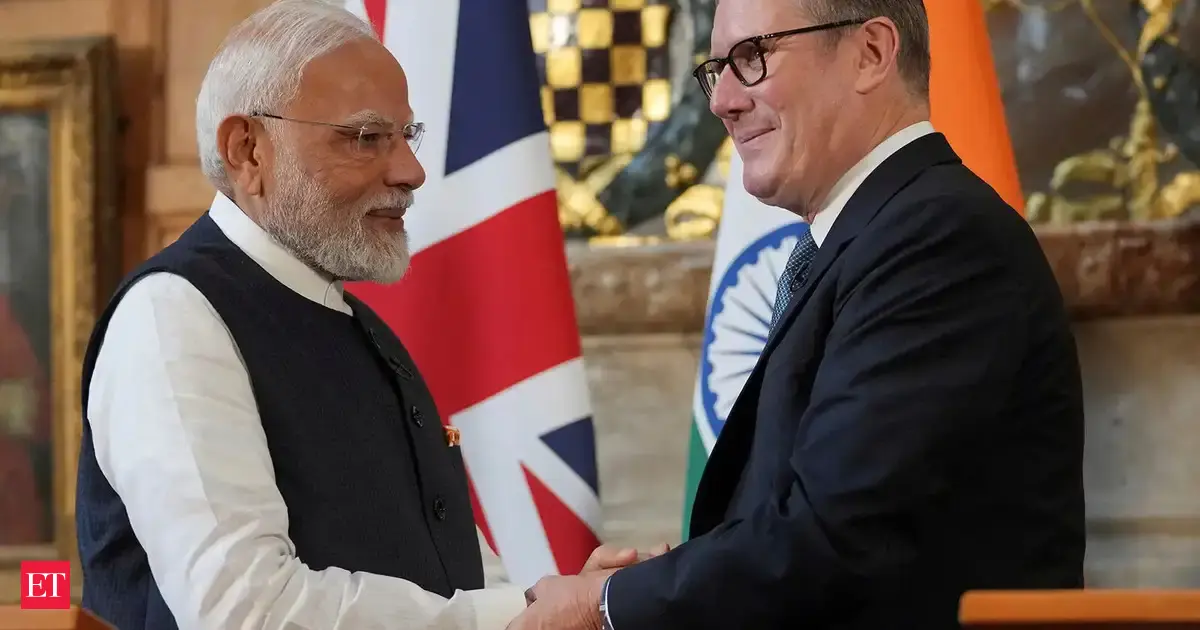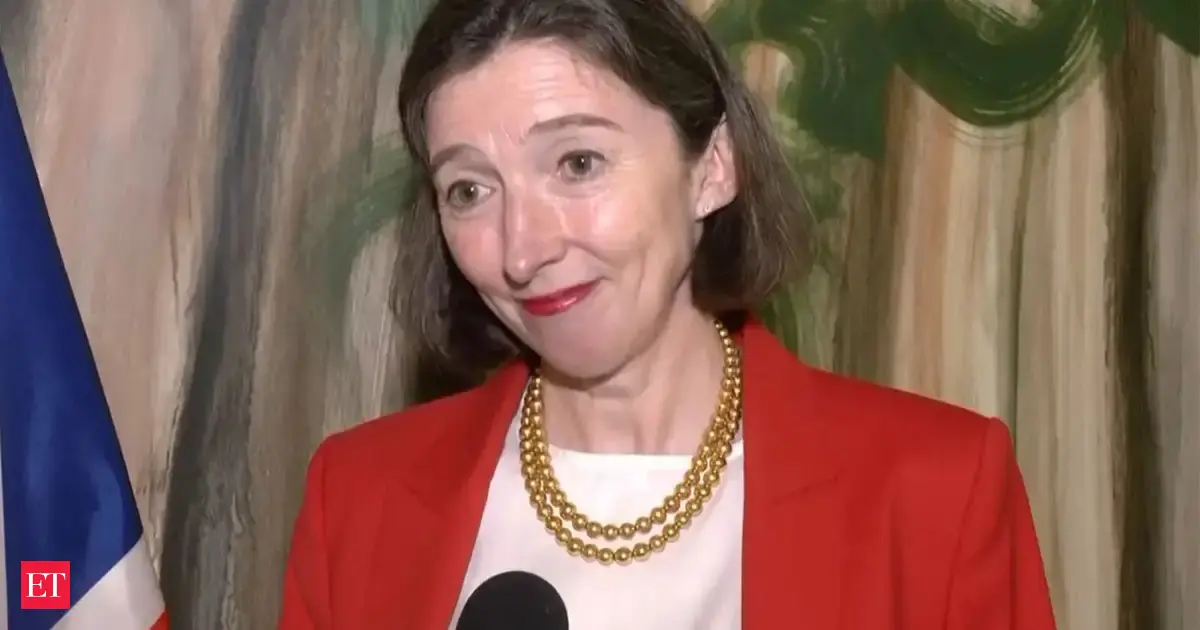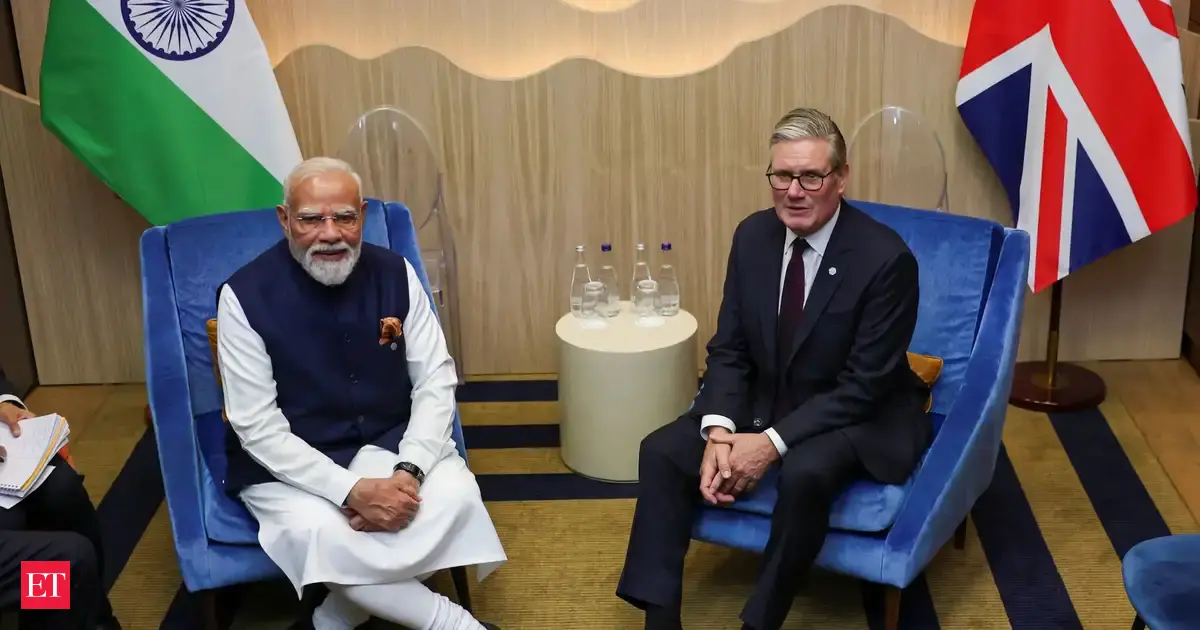
The UK-India Comprehensive Economic and Trade Agreement (CETA) entered into force on July 15, 2026, with British High Commissioner to India Lindy Cameron describing it as a 'gold standard' deal that sends a 'powerful message for rules-based order,' according to a report by the Economic Times.
Key tariff reductions and market access
The CETA secures zero-duty market access for nearly 99 per cent of India's exports to the UK, according to Cameron. In return, 90 per cent of UK products entering India will be duty-free or have reduced tariffs. Effective from today, tariff cuts include:
| Product | Previous tariff | New tariff |
|---|---|---|
| Scotch whisky | 150% | 75% |
| Premium UK-built cars | Over 110% | 10% (beginning to fall) |
Cameron provided a concrete example for Scotch whisky: a bottle priced at Rs 5,000 that sold for Rs 12,500 before the deal will now be sold for Rs 8,500, and soon for Rs 7,000.
GDP and trade projections
Cameron stated that the CETA will increase both India's and the UK's GDP by nearly five billion pounds and will increase bilateral trade by over 25 billion pounds every year in the long run. She emphasised that the deal unlocks "the combined economic might of two global economic powerhouses," noting India as one of the fastest-growing G20 economies and the UK as a hub for finance and investment with the lowest corporation tax in the G7.
Sectors benefitting
A wide range of sectors benefit from immediate tariff reductions:
- Scotch whisky: tariff halved from 150% to 75%
- Premium UK-built cars: tariffs begin to fall from over 110% to 10%
- Cosmetics, food products, and alcoholic beverages: reduced tariffs, as demonstrated by a special package of British goods that arrived at the British mission in Mumbai aboard a British Airways flight
Additionally, a bilateral social security agreement has been operationalised alongside the trade deal.
Strategic context
Cameron noted that the CETA's entry into force assumes greater significance "in view of a fractured global trade environment largely triggered by US President Donald Trump's policies on trade and the lingering conflict in West Asia." She called the pact "the biggest, and the most ambitious, modern free trade agreement to enter into force to date for both of our countries" and "the quickest turnaround for the UK bringing a new deal into force." Cameron added that the deal is "pro-worker, pro-innovation and pro-growth" and serves as "a template for future trade deals."
Sources: