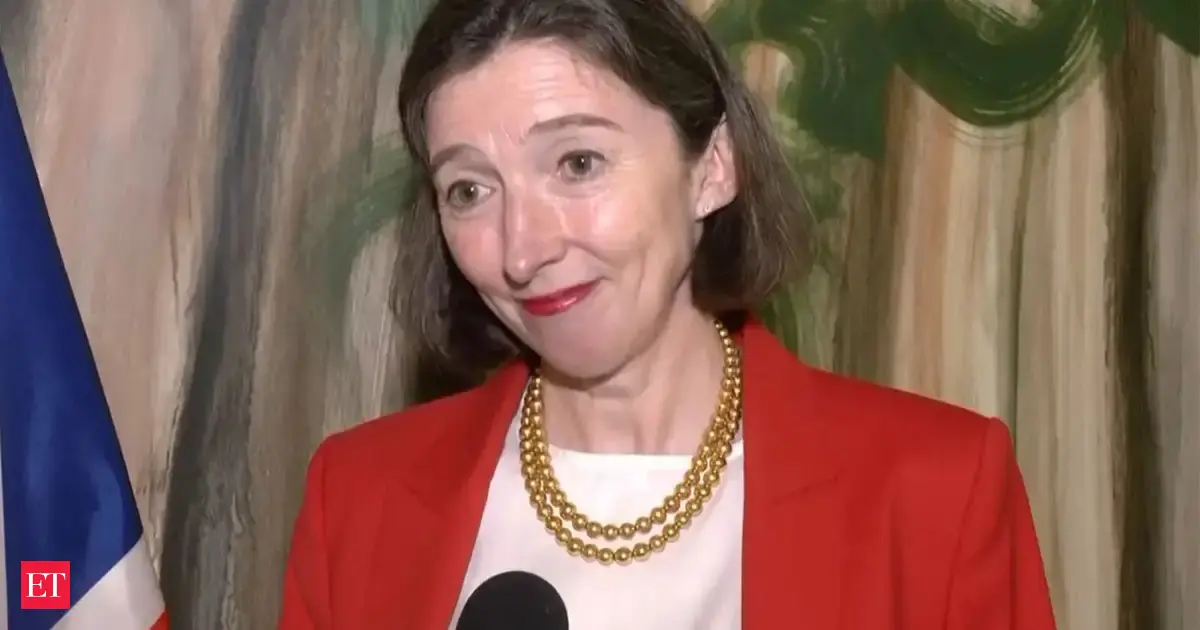
The India-UK Comprehensive Economic Trade Agreement (CETA) will come into force on July 15, 2026, British High Commissioner to India Lindy Cameron confirmed. Speaking to ANI, she described the timeline as the "fastest we've ever put a trade deal into force," noting it was signed less than a year ago at Chequers in the presence of Prime Minister Narendra Modi and UK Prime Minister Keir Starmer.
Deal Significance and Quotes
Cameron called the pact a "really historic moment" and emphasised its importance "at a complicated time in the world." She stated, "This is a real opportunity for both of our countries to see the economic benefit from this kind of trade deal... we want to get it into force as soon as possible." The deal, announced after a breakthrough between Modi and Starmer at the G7 Summit, aims to double bilateral trade to $100-$120 billion by 2030.
Tariff Concessions and Sector Benefits
Under the agreement, Indian exporters will receive duty-free access to 99% of tariff lines, covering 99% of India's trade with the UK. Government sources told ANI that this provides an additional tariff advantage of 7-10% to Indian exporters, bringing them on par with countries that already enjoy zero-duty access to the UK market.
Key sectoral benefits include:
- Textiles
- Footwear
- Leather
- Marine products
- Pharmaceuticals
- Whiskey (British Scotch whisky tariffs drop from 150% to 40%)
- Cars
Government sources confirmed that customs notifications and processes are being prepared so exporters can start availing concessions from July 15 itself. "The effort will be to see that exporters are able to sell their consignments on July 15 itself, availing concessions," sources said.
Trade Data and Surplus
India currently enjoys a trade surplus with the UK in both goods and services. Key figures:
| Sector | India to UK (2024/2025) | UK to India (2024/2025) |
|---|---|---|
| Services exports (2024) | $21.6 billion | $13.7 billion |
| Merchandise exports (2025) | $13.7 billion | $9.47 billion |
The deal is described by government sources as "the most aspirational agreement so far," opening up a market worth over $500 billion for Indian businesses.
Steel Safeguard Measures
On the contentious issue of UK steel safeguard measures, government sources said India's concerns had been "adequately addressed" during negotiations. Around 85% of India's steel exports will remain outside the scope of the UK's steel measures, and concessions were secured on 188 steel tariff lines.
Broader Economic Ties
More than 900 Indian companies are currently operational in the UK, highlighting growing economic engagement between the two countries. The agreement is expected to further strengthen bilateral trade and investment flows.
Sources: