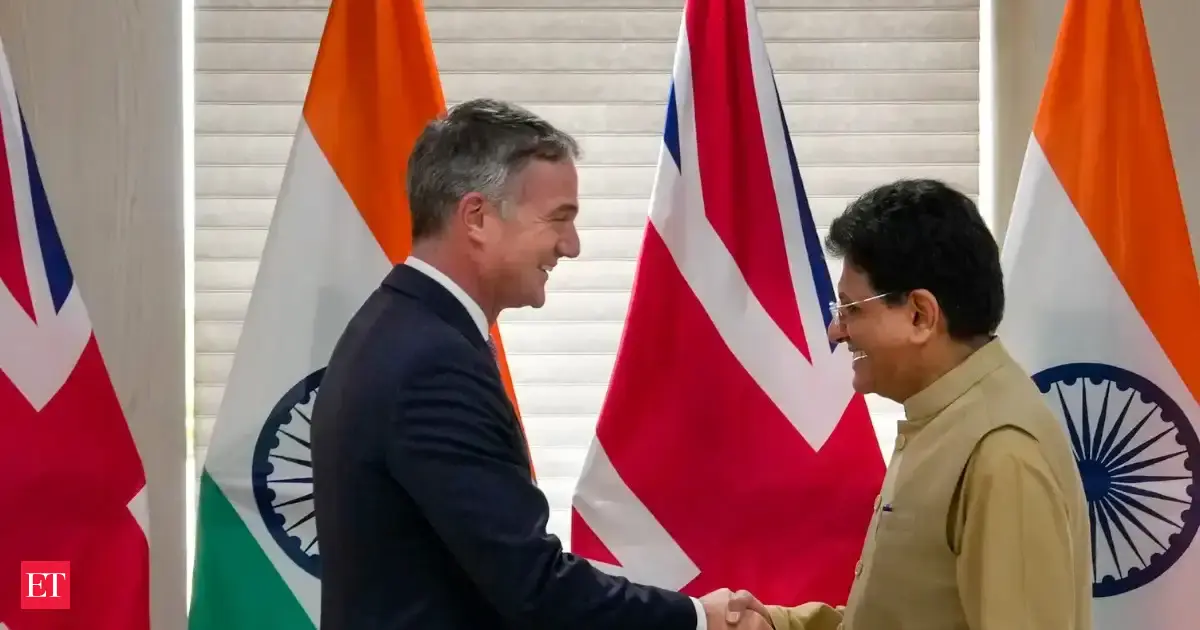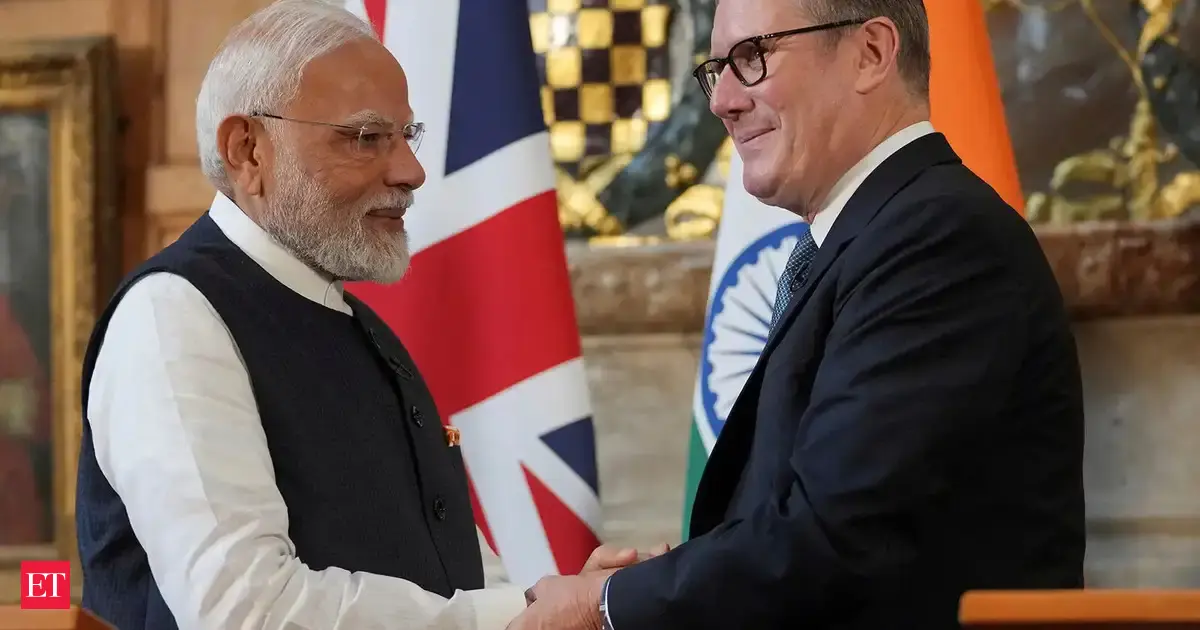
The India-UK Comprehensive Economic and Trade Agreement (CETA) and a companion Agreement on Social Security entered into force on July 15, 2026, according to the Economic Times. The CETA, described by both sides as the "gold standard" of free trade agreements, eliminates duties by the United Kingdom on 99% of Indian goods from Day One, while India has offered zero tariff on 64% of UK exports, gradually rising to 85% of goods, the report said.
Key Tariff and Trade Provisions
The CETA spans 30 chapters and covers trade in goods, services, investment, and government procurement. Key tariff commitments include:
| Market | Day-One Duty Elimination | Overall Concession |
|---|---|---|
| UK offers India | 99% of Indian goods | 99% of tariff lines duty-free from Day One |
| India offers UK | 64% of UK exports | Gradually rises to 85% of goods |
The pact also includes a Double Contribution Convention Agreement that exempts Indian professionals temporarily working in the UK from making social security contributions there, the Economic Times reported.
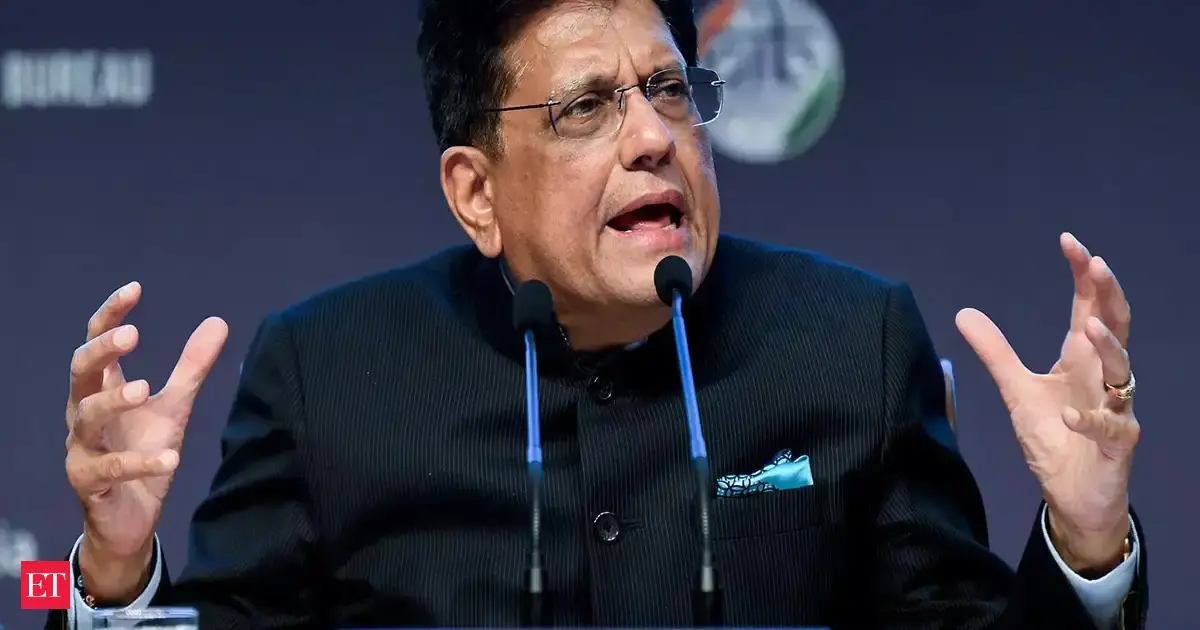
Prime Minister Narendra Modi said in a social media post: "With the coming into force of the Comprehensive Economic and Trade Agreement and the Agreement on Social Security, our economic linkages are going to get even deeper." Commerce and Industry Minister Piyush Goyal added that the agreement "opens new avenues for trade, investment and innovation" and will accelerate the vision of Viksit Bharat 2047.
Government Procurement and Intellectual Property
The CETA includes a dedicated government procurement chapter granting Indian suppliers treaty-backed legal access to the UK government procurement market valued at approximately £90 billion ($122 billion), the Economic Times reported. In return, India offers reciprocal procurement opportunities worth around $114 billion to British suppliers. Four safeguards protect the interests of domestic MSMEs, and a 20% UK-content threshold allows UK firms to qualify as Class 2 Local Suppliers – though these commitments are not applicable at the state level. Darpan Jain, Additional Secretary in the Department of Commerce, clarified that "there are selected central government entities to which it is applicable."
Commerce Secretary Rajesh Agarwal noted that India has gone "beyond its FTA precedence in breadth and depth" in this pact, according to the Economic Times. He added that more than 800 technical sessions were held over 14 formal rounds of negotiations, and all pending issues were completed in the last 30 days.
Social Security and Business Impact
The operationalised Social Security Agreement is expected to benefit Indian professionals working temporarily in the UK by exempting them from dual social security contributions. British High Commissioner to India Lindy Cameron called the CETA "the new gold standard of trade deals" and said it is the most ambitious free trade agreement either country has implemented to date. She noted that a British Airways flight arrived in Mumbai carrying British goods eligible for tariff concessions under the CETA.
The Department of Commerce will work with export promotion councils to help industrial clusters understand how to benefit from the agreement, the Economic Times reported. Bilateral trade between India and the UK currently stands at close to $60 billion in FY26 (of which merchandise trade was $25.12 billion), with a target of $100 billion by 2030.
Next Steps
Officials allayed concerns regarding relaxation in compulsory licensing and opening up government procurement. The pact also includes a chapter on intellectual property rights (IPR) and addresses Carbon Border Adjustment Mechanism (CBAM) issues, though specific details were not elaborated in the source.
"It is a win-win agreement between the two countries which will have a shadow across economic relations," said Rajesh Agarwal.
Sources: