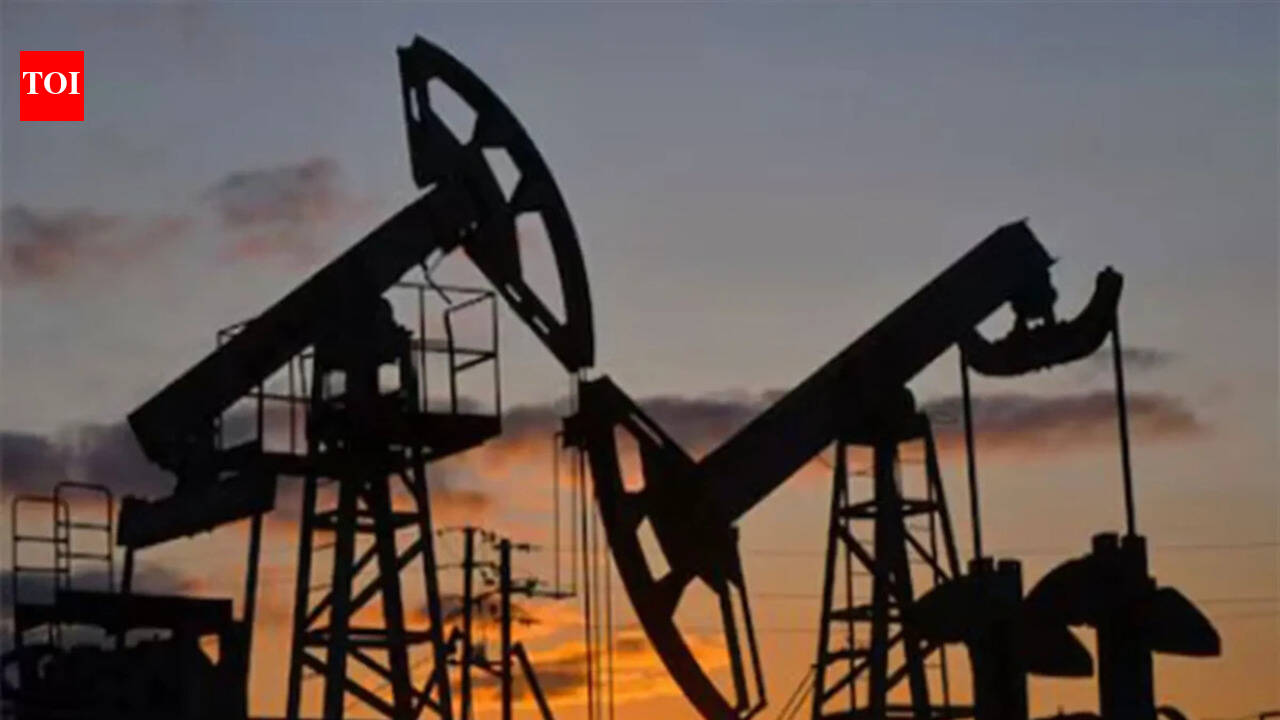
The United States has authorized the production, delivery, and sale of Iranian oil, marking a significant sanctions relief measure as Washington and Tehran continue negotiations aimed at reaching a final peace agreement, according to a Reuters report cited by Business Today.
Sanctions Relief Details
The US Treasury Department on Monday issued a general license allowing the production, delivery, and sale of Iranian-origin crude oil, petroleum products, and petrochemicals through August 21. The license fulfills a commitment made under a framework agreement reached between the two countries last week, as both sides continue talks in Switzerland on a broader settlement.
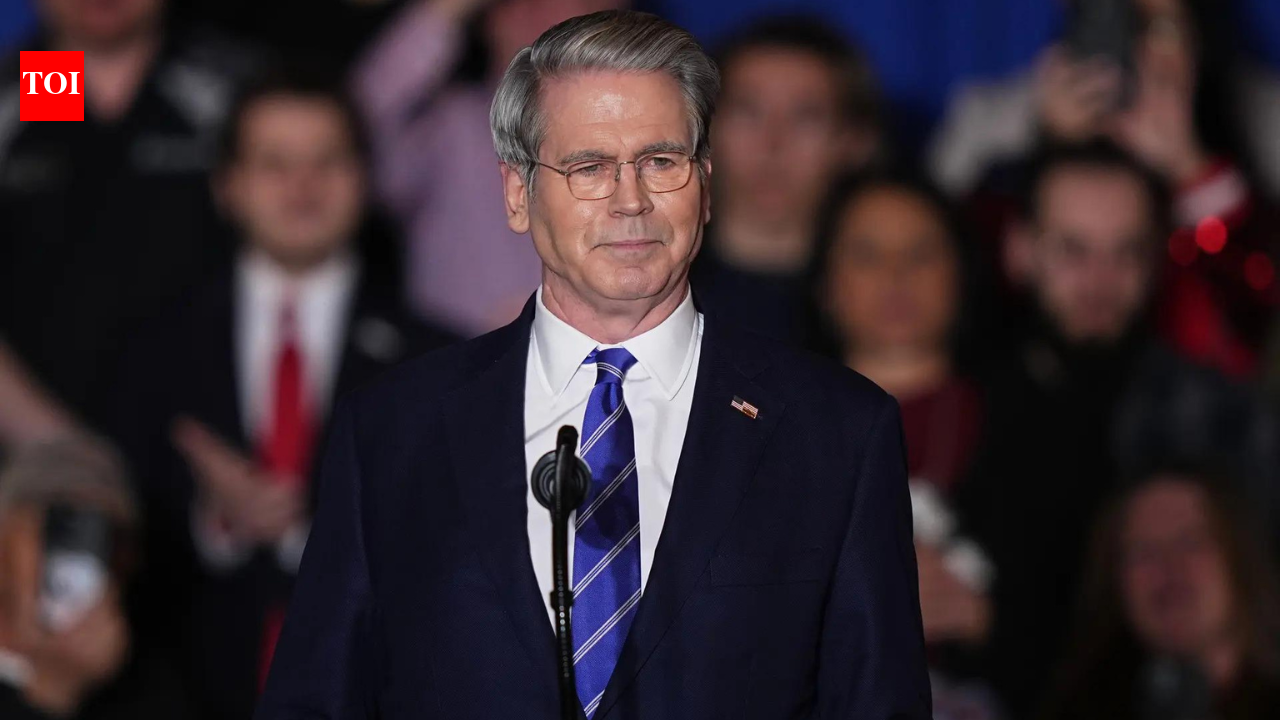
"In line with the ongoing productive talks in Switzerland, Iran has committed to free and open transit in the Strait of Hormuz and to permit International Atomic Energy Agency (IAEA) inspectors into their country," Treasury Secretary Scott Bessent said in a post on X. "As part of the framework, Treasury has issued a temporary 60-day general license authorizing the production, delivery, and sale of Iranian oil," he added.
Scope of the General License
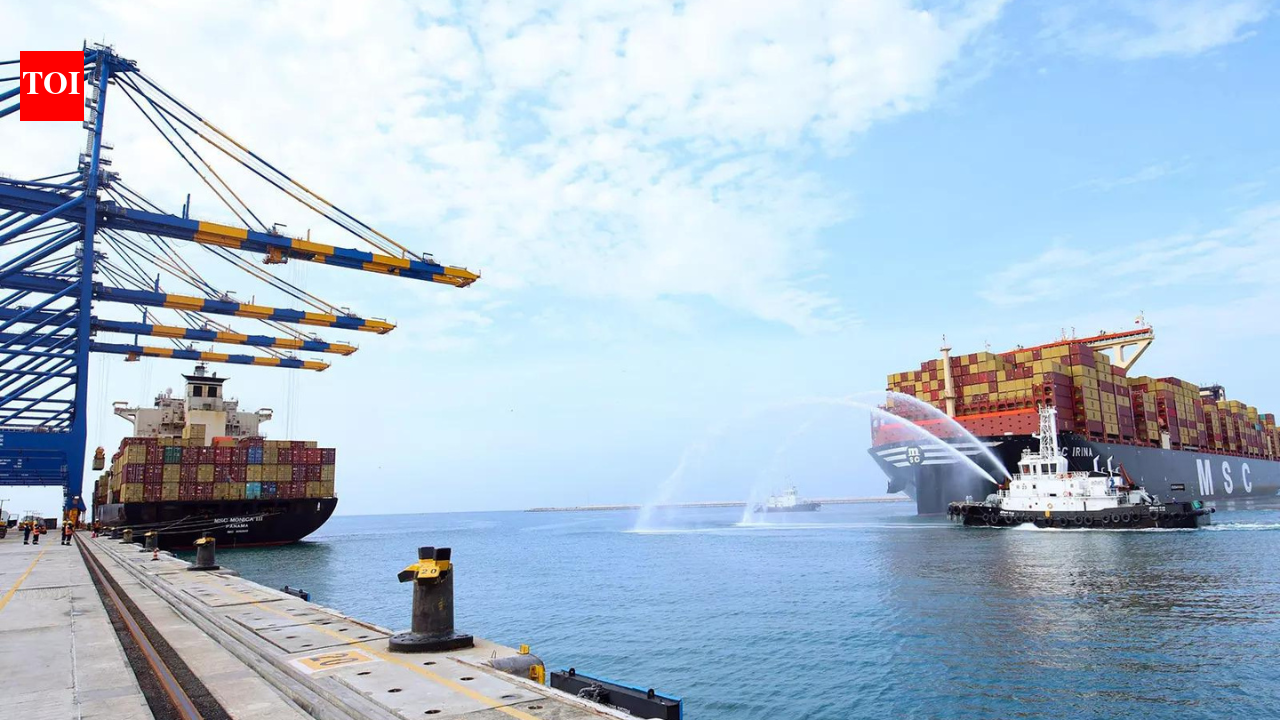
Under the memorandum of understanding signed last week, Washington agreed to grant waivers covering the export of Iranian crude oil, petroleum products, and derivatives, along with associated services such as banking transactions, insurance, and transportation. The general license also authorizes transactions related to the import of Iranian-origin crude oil, petroleum products, and petrochemicals into the United States, when necessary to complete a sale or delivery authorized under the waiver.
| Key Elements of the General License | Details |
|---|---|
| Duration | 60 days, through August 21, 2026 |
| Authorized Activities | Production, delivery, sale of Iranian crude oil, petroleum products, petrochemicals |
| Associated Services | Banking transactions, insurance, transportation |
| Import Authorization | Allowed into the US to complete a sale or delivery under the waiver |
| Excluded Countries | Transactions involving North Korea or Cuba are not authorized |
Negotiation Context and Commitments
Business Today reported that the easing of restrictions comes as talks in Switzerland progress. Iran has committed to ensuring free and open transit through the Strait of Hormuz, one of the world's most critical energy transit routes, and to permitting IAEA inspectors access to its facilities. These commitments are part of the ongoing productive negotiations aimed at a final peace agreement.
Market and Trade Policy Implications
The easing of restrictions on Iranian oil exports is being closely watched by energy markets, particularly as efforts continue to stabilize crude supplies and secure shipping through the Strait of Hormuz. For importers and exporters in the oil and petrochemical sectors, the 60-day license opens a window for legal trade with Iran, subject to compliance with the license terms. Customs brokers and trade policy professionals should note that the license explicitly excludes transactions involving North Korea or Cuba, and all activities must fall within the authorized scope. As negotiations continue in Switzerland, the temporary nature of the license suggests a potential for further relief or extension, depending on the outcome of the peace talks.
Sources: