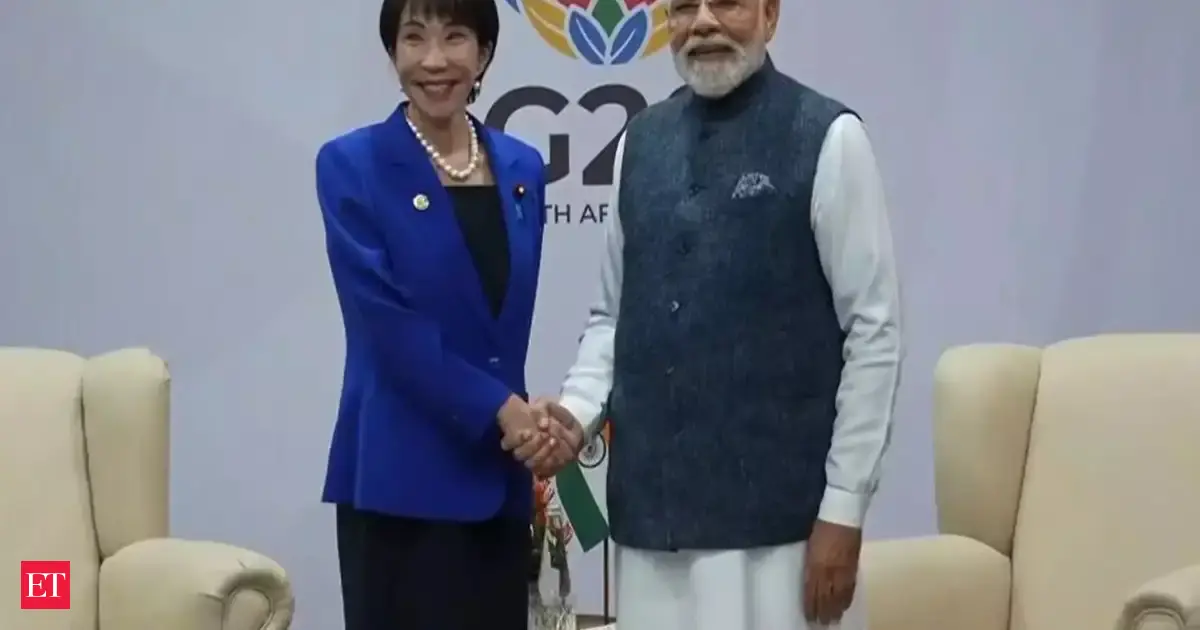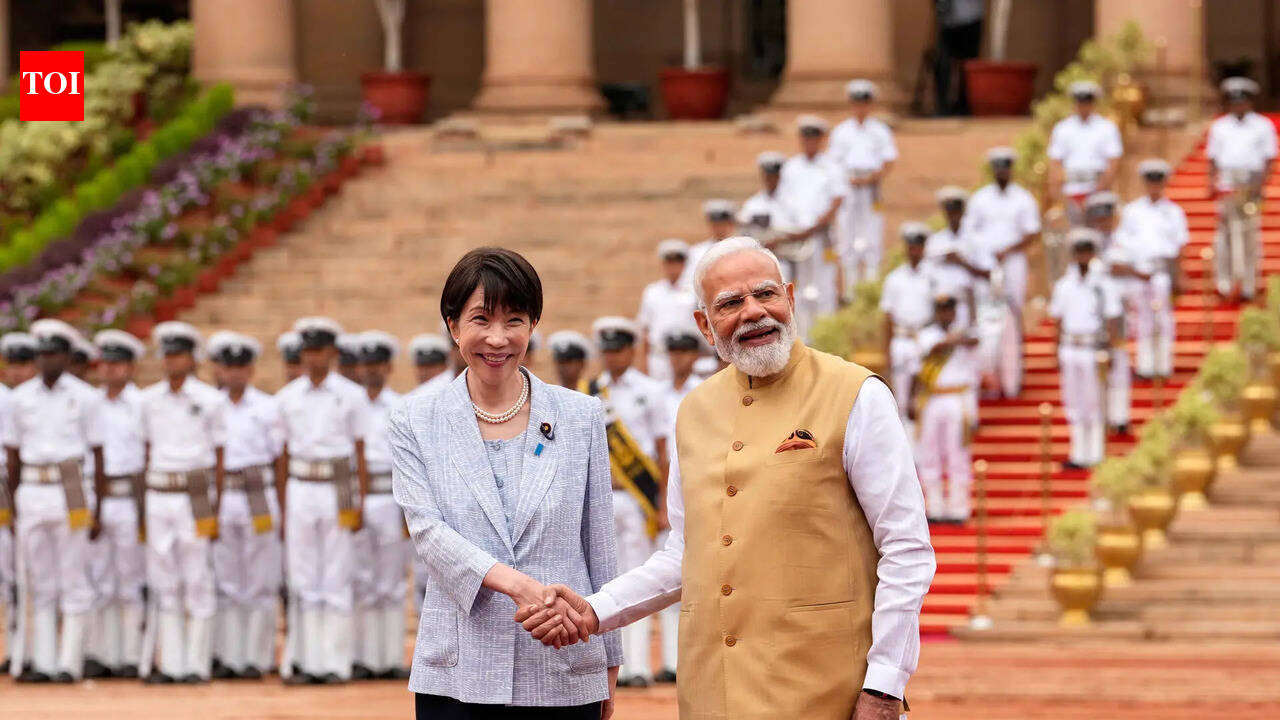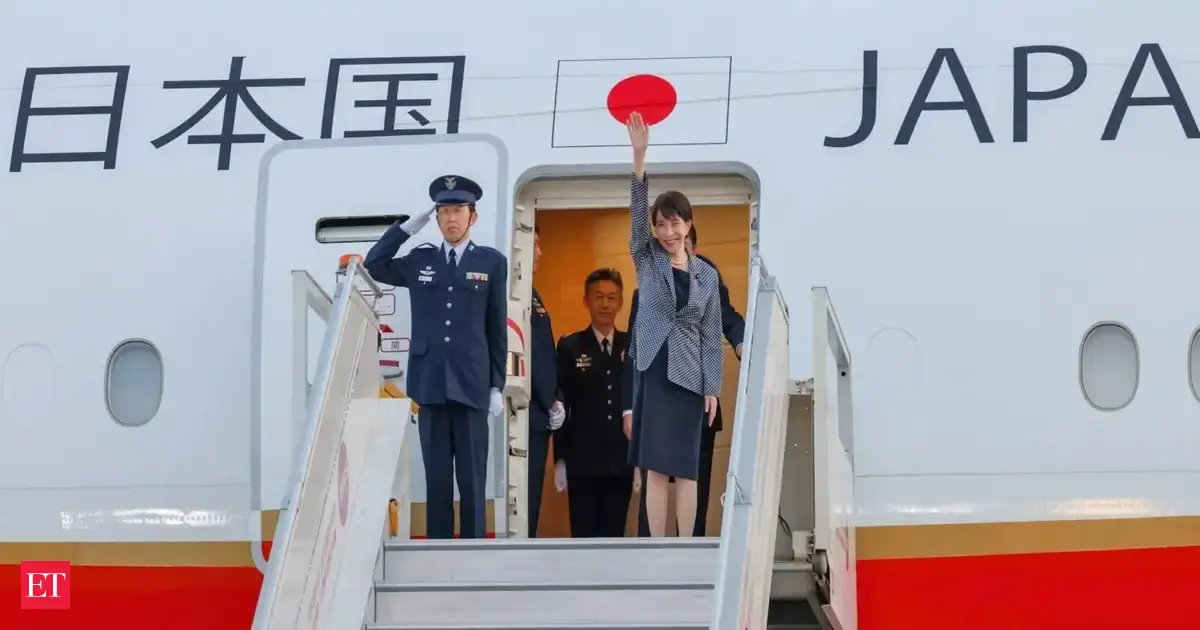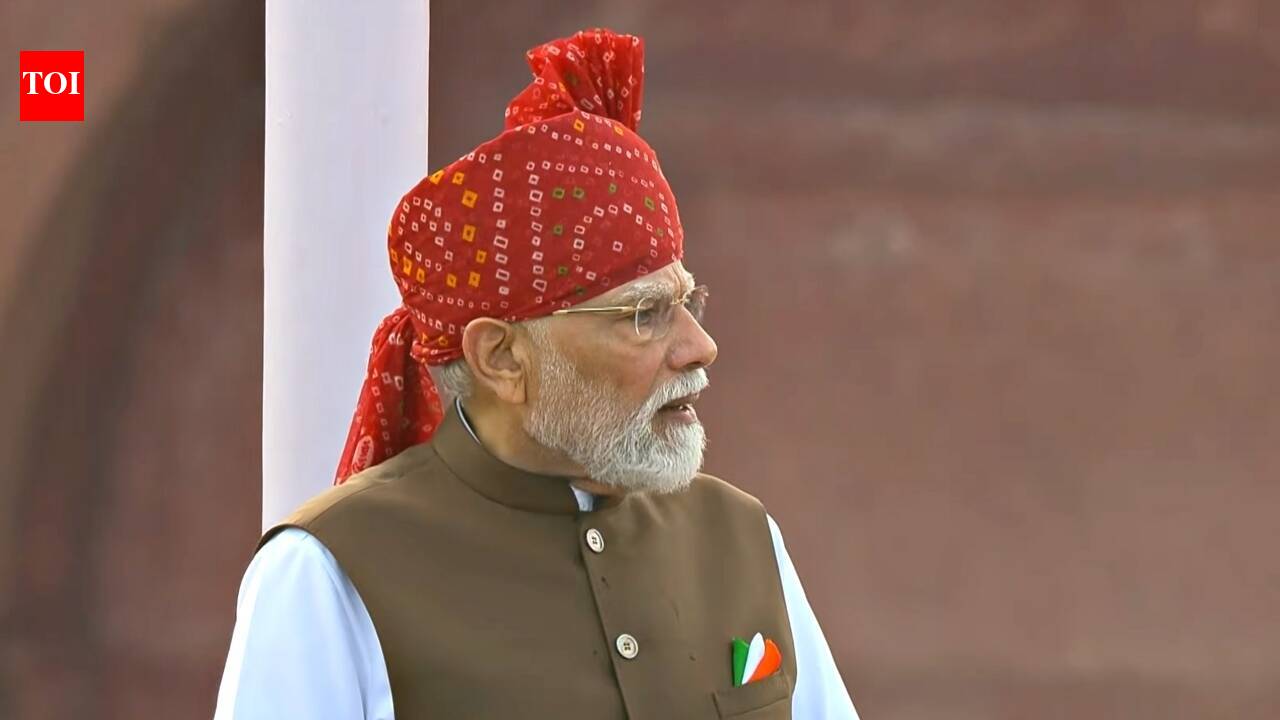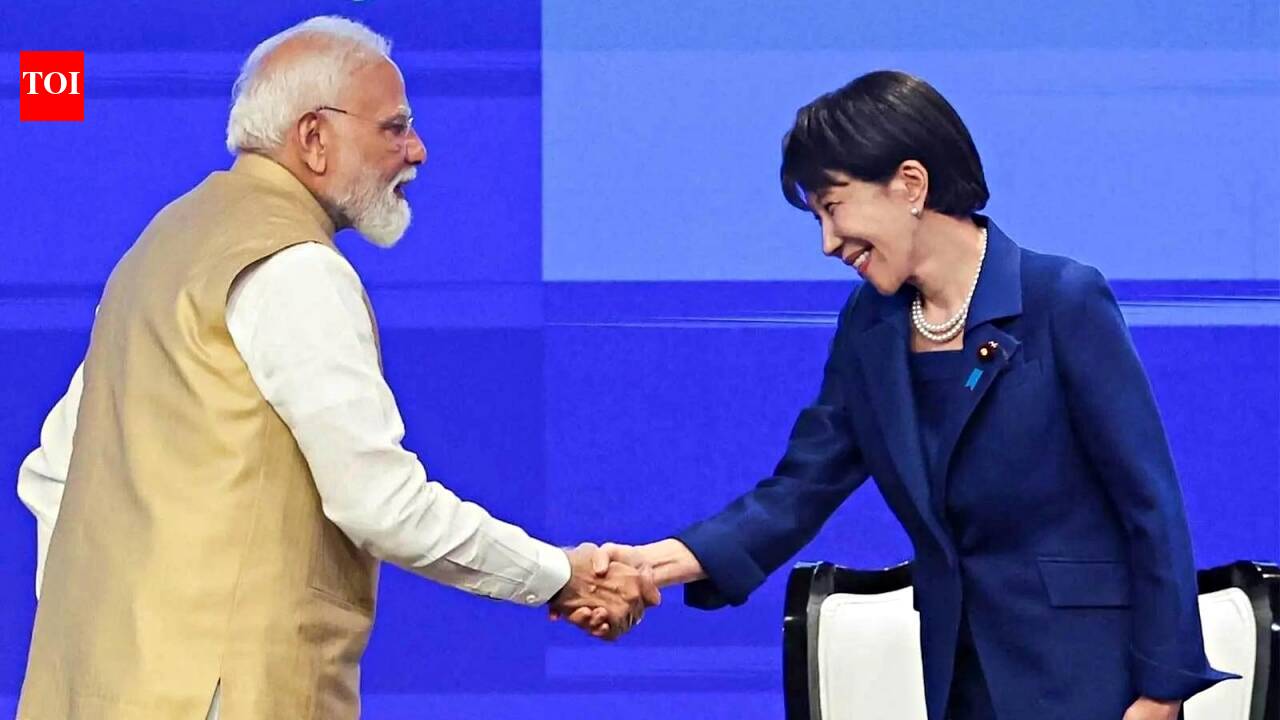
India and Japan on Thursday announced a series of major initiatives, including a new economic partnership framework, a defence agreement for the joint development of military equipment, and measures to deepen cooperation in the energy sector to strengthen resilience against oil supply disruptions. The announcements came after summit-level talks between Prime Minister Narendra Modi and his Japanese counterpart, Sanae Takaichi.
New Economic Partnership Framework and Investment Target
Highlighting the growing economic partnership, PM Modi said more than 100 new business agreements had been signed over the past year, paving the way for Japanese investments worth over $10 billion in India. "Our objective is to attract investments worth 10 trillion yen from Japan into India over the next decade while also doubling the number of Japanese companies operating in the country," he said.
Japan plans around Rs 1 trillion in investments in India through various projects. A total of 120 MoUs have been signed between the two countries since August 2025. The investments span across sectors including auto, renewable energy, semiconductors, AI, quantum technologies, biogas, and green ammonia.
Major Investment Projects
A summary of key projects announced is provided below:
| Company / Partners | Project Description | Investment (Rs) |
|---|---|---|
| Daikin | R&D facility | 10 billion |
| Sumitomo Corp | Comprehensive collaboration | 38 billion |
| Itochu Corporation / L&T | Green ammonia at Kandla Port (3 lakh ton) | 189 billion |
| Sumitomo Corp / Renewable Energy Company | Renewable energy project | 100 billion |
| Suzuki | Land acquisition for new plant | 50 billion |
| MUFG / Shriram Finance | Financial partnership | 400 billion |
| SMBC / Yes Bank | Financial partnership | 170 billion |
| Fujifilm | Semiconductor materials production | Not disclosed |
| NTT Data / Persistent Systems | Next-gen telecom tech | Not disclosed |
| Toyota | New plant in Bidkin area (1 lakh vehicles/year, 2,800 jobs) | Not disclosed |
| Yaqumo / IISc | Quantum technology ecosystem | Not disclosed |
| Suzuki R&D / NDDB.NEDF | Biogas plant in Assam | Not disclosed |
| Toho Koki / IIT Guwahati | Semiconductor ecosystem | Not disclosed |
| BIJSI / Meghalaya | High value-added agriculture | Not disclosed |
| NTT Data | Submarine cable | 38 billion |
| Mitsubishi Gas Chem / ACME | Green methanol (1 lakh ton) | 90 billion |
| IHI / ACME | Green ammonia (4 lakh tons) | 295 billion |
| JFE Steel / JSW | Integrated steelworks | 160 billion |
| Mitsubishi Electric / IIT Hyderabad | AI, quantum, security human capital development | Not disclosed |
| iSpace / Digantara | Joint lunar exploration mission | Not disclosed |
Strategic Sectors and Joint Ventures
The two countries also concluded a mobility framework to facilitate cooperation in shipbuilding, aviation, and logistics. Key outcomes included a declaration on economic security, a joint statement on collaboration in artificial intelligence, and an agreement aimed at strengthening cooperation across the energy supply chain.
"In today's uncertain global environment, India and Japan both recognise the critical importance of economic and energy security. Keeping this in mind, we have prepared a joint roadmap on economic security," Modi said. He added that the roadmap would enhance supply chain resilience in strategic sectors, including semiconductors, quantum technology, and advanced materials.
Geopolitical Context
The two leaders also reviewed developments in the Indo-Pacific, where China's growing military presence has emerged as a key concern. "Today, India and Japan are among the world's largest economies. A free, prosperous and rules-based Indo-Pacific remains a shared priority for both countries," Modi said. "As the region's leading democratic and market-oriented economies, we have launched several important initiatives today that will contribute to peace, stability and development across the Indo-Pacific," he added.
Sources: