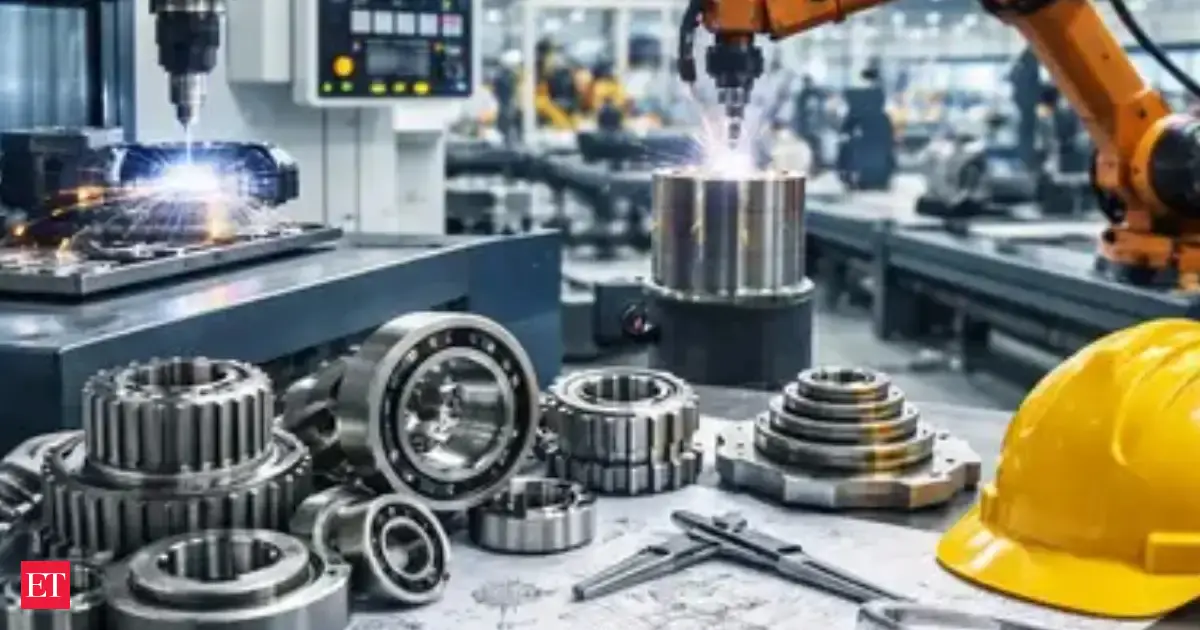
India’s engineering exports surged 24 percent year-on-year to USD 12.31 billion in May 2026, according to the Engineering Export Promotion Council (EEPC) of India.
Export Growth in May 2026
Engineering goods exports from India touched USD 12.31 billion in May 2026, representing a 24 percent jump compared to the same month last year, EEPC reported. The growth came despite ongoing disruptions caused by the West Asia conflict, which has affected trade routes and logistics.
Cumulative April-May Performance
For the first two months of fiscal year 2026-27 (April-May), cumulative engineering exports reached USD 22.66 billion, a 16.8 percent increase from USD 19.40 billion in the corresponding period of the previous year, according to EEPC data.
| Period | Export Value (USD billion) | Growth vs Previous Year |
|---|---|---|
| May 2026 | 12.31 | +24% |
| April-May 2026-27 | 22.66 | +16.8% |
| April-May 2025-26 | 19.40 | — |
Industry Outlook
EEPC India Chairman Pankaj Chadha stated that the sector had "successfully navigated through a very challenging period" and maintained positive growth despite the West Asia conflict and resultant trade disruptions.
"The trend clearly shows adaptability of the engineering community to the dynamic external situation," Chadha said, adding that government support and trade facilitation measures had played a crucial role.
Challenges Ahead
Chadha cautioned that challenges remained even as a peace deal between the United States and Iran had been announced. The engineering export sector continues to face headwinds from global economic uncertainties and supply chain pressures, though the specific impact of the US-Iran deal on trade flows was not detailed in the source.
Implications for Trade Professionals
For importers and exporters of engineering goods, the sustained double-digit growth suggests strong demand for Indian-manufactured machinery, auto components, and industrial equipment. However, the West Asia disruptions underscore the need for diversified supply routes and contingency planning. Customs brokers and trade policy analysts should monitor the US-Iran peace deal implementation for potential shifts in regional trade dynamics.
Sources: