iGEN
Visit IGEN World Explore IGEN Expo
EXPLORE UPGRADE PLANS
BREAKING
UPS shift away from Amazon shows bigger payoff Lanesurf: 62% of Loads Get Vetted Carrier Offers Before Brokers Arrive India-China Border Trade Via Lipulekh Resumes Aug 1; China Permits 20 Traders Geopolitics Drives CMA CGM Q2 Profit Surge of 42% as Volumes and Rates Climb Benchmark Diesel Price Rises Third Week as Futures Plunge; Spread Hits Record Indian Government Limits Sugar Dealers to 400 Tonnes Stock Until November to Curb Hoarding Tenants signing longer leases for larger warehouses as 3PLs lock in capacity US stock market flat as S&P 500 and Dow barely move, Nasdaq slides over 1% on chip rout TruAlt Bioenergy Q1 Net Zooms to ₹59.27 Crore on Higher Revenues, Capacity Expansion India’s cotton sowing crosses 100 lakh hectares as monsoon picks up, area expands in key states UPS shift away from Amazon shows bigger payoff Lanesurf: 62% of Loads Get Vetted Carrier Offers Before Brokers Arrive India-China Border Trade Via Lipulekh Resumes Aug 1; China Permits 20 Traders Geopolitics Drives CMA CGM Q2 Profit Surge of 42% as Volumes and Rates Climb Benchmark Diesel Price Rises Third Week as Futures Plunge; Spread Hits Record Indian Government Limits Sugar Dealers to 400 Tonnes Stock Until November to Curb Hoarding Tenants signing longer leases for larger warehouses as 3PLs lock in capacity US stock market flat as S&P 500 and Dow barely move, Nasdaq slides over 1% on chip rout TruAlt Bioenergy Q1 Net Zooms to ₹59.27 Crore on Higher Revenues, Capacity Expansion India’s cotton sowing crosses 100 lakh hectares as monsoon picks up, area expands in key states
Home ›› Intl Trade ›› Import Export ›› Incoterms ›› Trump's Generic Drug Tariffs Explained: What It Means for Indian Pharma Before the 200% Storm

Trump's Generic Drug Tariffs Explained: What It Means for Indian Pharma Before the 200% Storm

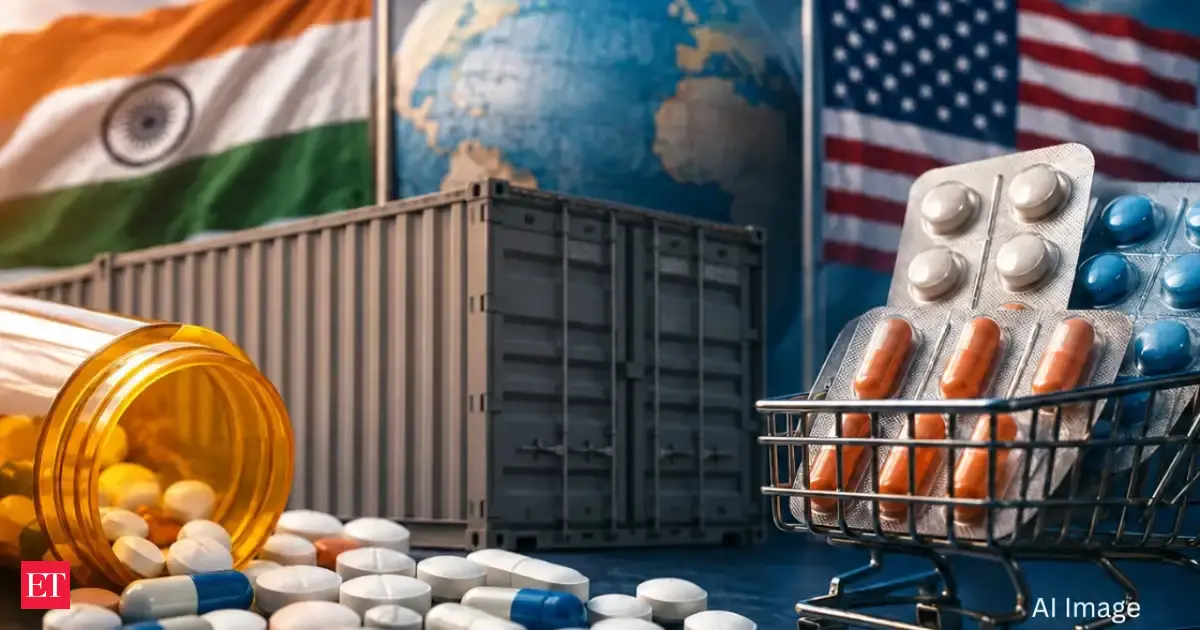
US President Donald Trump unveiled a phased tariff plan for imported generic medicines: duty-free for two years from August 1, then 100% for one year, followed by 200%. For Indian drugmakers, the plan offers temporary relief but signals a long-term shift. India's pharma exports to the US account for 34% of total pharma exports, worth $30.47 billion in 2024-25. Leading companies with US manufacturing operations may have greater flexibility.

iG
iGEN Editorial
July 22, 2026
Trump's Generic Drug Tariffs Explained: What It Means for Indian Pharma Before the 200% Storm

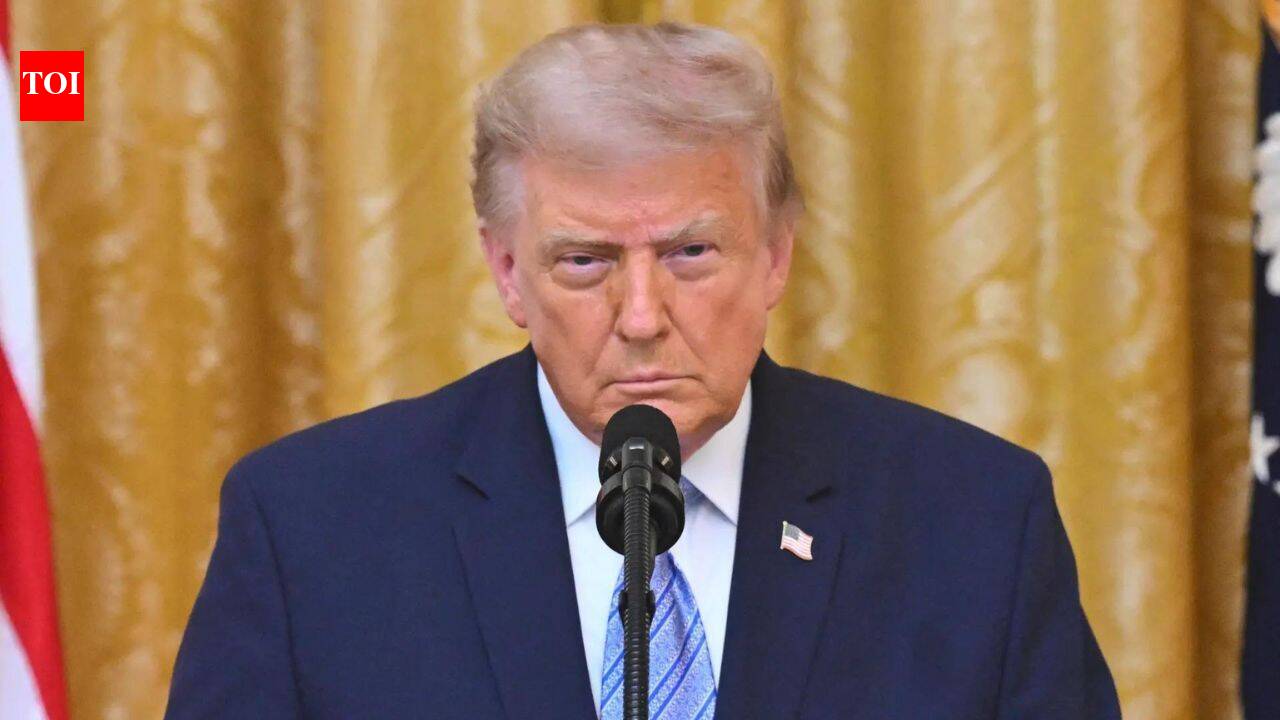
US President Donald Trump on Wednesday unveiled a phased tariff plan for imported generic medicines, giving manufacturers a two-year window before imposing sharply higher duties. Under the proposal, generic medicines will enter the US duty-free for two years from August 1, after which imports will attract a 100% tariff for one year before the levy doubles to 200%.

What the Tariff Plan Entails

The proposed tariff roadmap is designed to encourage pharmaceutical companies to establish manufacturing facilities in the United States, according to the source. Under the plan:

  • Imported generic medicines will continue to attract zero tariffs for two years from August 1.
  • Thereafter, imports will face a 100% tariff for one year.
  • Following that, imports will be subject to a 200% levy.

The policy on patented and innovative medicines remains unchanged, the source reported.

Phase Period Tariff Rate
1 2 years from Aug 1 0%
2 Next 1 year 100%
3 Thereafter 200%

India's Pharma Exposure to the US

According to the Department of Commerce, the United States remains India's largest pharmaceutical export market, accounting for approximately 34% of the country's pharma exports. India exports medicines to more than 200 countries, with over 60% of shipments destined for highly regulated markets such as the US and Europe.

Commerce Secretary Rajesh Agrawal stated that India's pharmaceutical exports rose 9.4% year-on-year to $30.47 billion in 2024-25, supported by a manufacturing ecosystem comprising more than 3,000 companies and 10,500 manufacturing units.

Separately, according to the US Food and Drug Administration (USFDA), generic medicines account for more than 90% of prescriptions dispensed in the US, underscoring the importance of the market for Indian drugmakers.

A Two-Year Window for Strategic Decisions

For Indian pharmaceutical companies, the transition period offers valuable time to reassess manufacturing strategies, supply chains and capital allocation, the source reported. The immediate impact on exports is likely to be limited because Trump has not imposed tariffs immediately. However, the proposed escalation to 100% and eventually 200% duties could fundamentally alter the economics of exporting generic medicines to the US if companies continue to manufacture primarily from India.

Industry executives have maintained that while India's cost-efficient manufacturing ecosystem remains globally competitive, prolonged tariff barriers could encourage companies to expand manufacturing capacity in the US or increase contract manufacturing partnerships to retain market access, according to an ET report cited in the source.

Companies with US Manufacturing Footprints

Several leading Indian drugmakers already have manufacturing operations in the United States. These include:

  • Aurobindo Pharma
  • Dr. Reddy's Laboratories
  • Lupin
  • Cipla
  • Zydus Lifesciences

Companies with existing US facilities could potentially have greater flexibility if the tariff proposal is implemented as announced, the source noted.

The policy therefore shifts the conversation from tariffs alone to long-term manufacturing strategy for Indian pharma exporters.


Sources: Economic Times – Foreign Trade
Keep Reading

Recommended Stories

Trump's Phased Tariff Plan on Generic Drugs: 0% for Two Years, Then Up to 200% Trade

Trump's Phased Tariff Plan on Generic Drugs: 0% for Two Years, Then Up to 200%

President Donald Trump announced a phased tariff plan on imported generic medicines, with zero tariffs for two years from August 1, 2026, followed by 100% for one year and 200% thereafter. The move targets India, which exported $9.7 billion in pharmaceuticals to the US in 2025, accounting for 38% of its total pharma exports. Indian generics supply 47% of US prescriptions and saved the US healthcare system $219 billion in 2022.

July 22, 2026
Trump Imposes Fresh Tariffs on 60 Economies Over Forced Labour; India Gets 10% Duty Trade

Trump Imposes Fresh Tariffs on 60 Economies Over Forced Labour; India Gets 10% Duty

US President Donald Trump imposed new Section 301 tariffs on imports from 60 economies over forced labour concerns, effective July 24, 2026. India is among 17 economies that will face a lower 10% tariff instead of the proposed 12.5% duty. The action follows USTR investigations launched on March 12, 2026.

July 24, 2026
US Section 301 Tariffs Unlikely to Hit India's Exports, Textiles Need Close Watch, Says FIEO Chief Trade

US Section 301 Tariffs Unlikely to Hit India's Exports, Textiles Need Close Watch, Says FIEO Chief

The US announced Section 301 tariffs of 10% and 12.5% on 60 economies on July 24, 2026, with India placed in the lower 10% category. FIEO chief Sahai stated the tariffs are unlikely to impact India's overall exports but noted that textiles need close watch as India was excluded from the textile TRQ exemption granted to some competitors. Products under Section 232 remain unaffected.

July 24, 2026
Trump Imposes New 50% Tariffs on $20 Billion in Canadian Imports Using Section 338 Trade

Trump Imposes New 50% Tariffs on $20 Billion in Canadian Imports Using Section 338

President Trump on Monday announced new 50% tariffs on roughly $20 billion worth of Canadian imports using Section 338 of the Tariff Act of 1930. The duties, effective in 30 days, target Canadian goods after allegations of discrimination against U.S. autos, dairy, and alcohol. Exemptions include energy, critical minerals, and products already covered under Section 232.

July 20, 2026