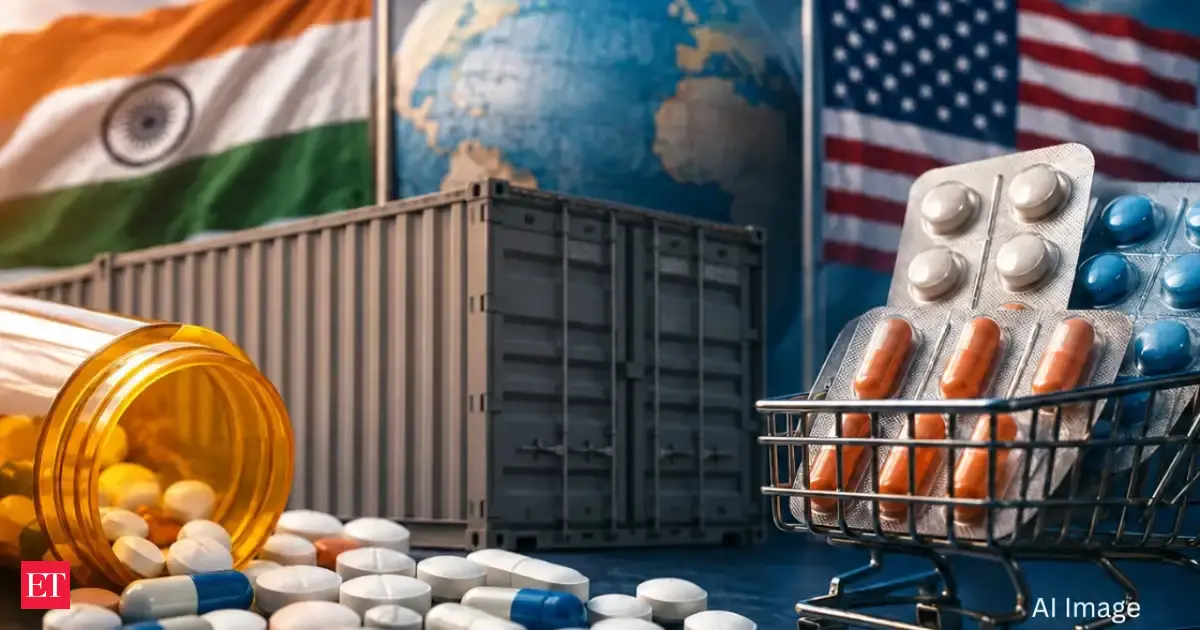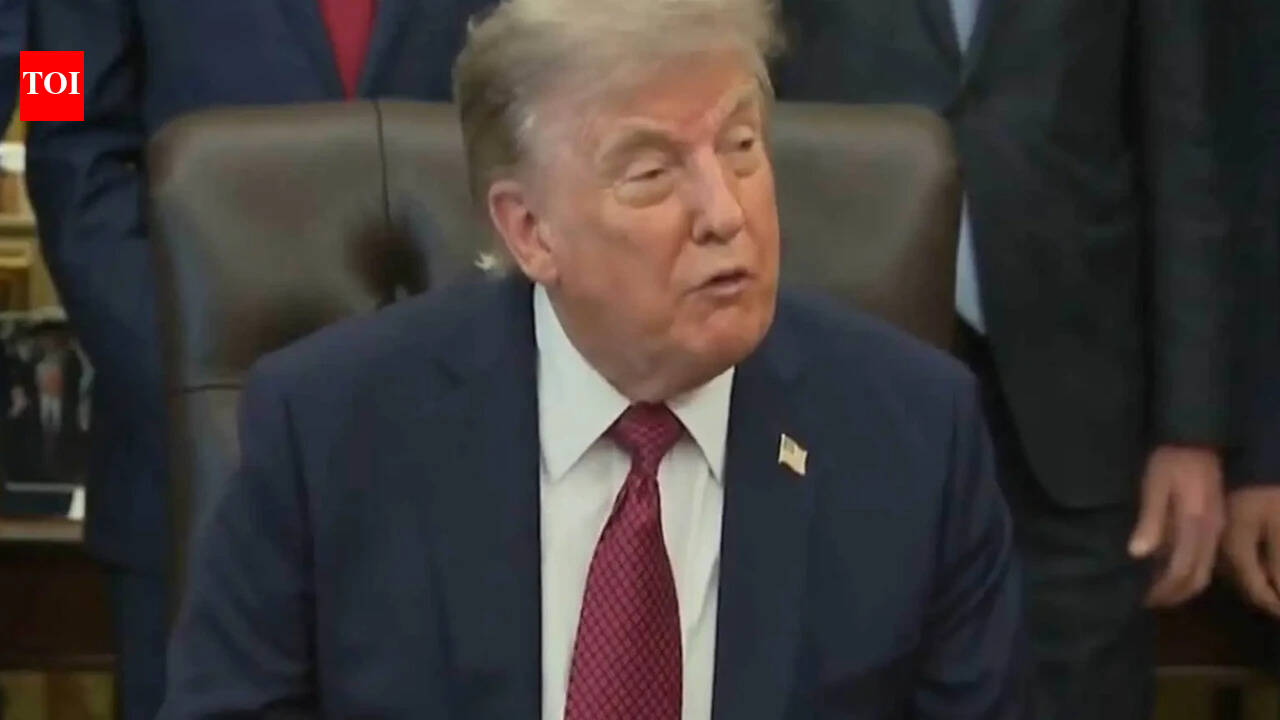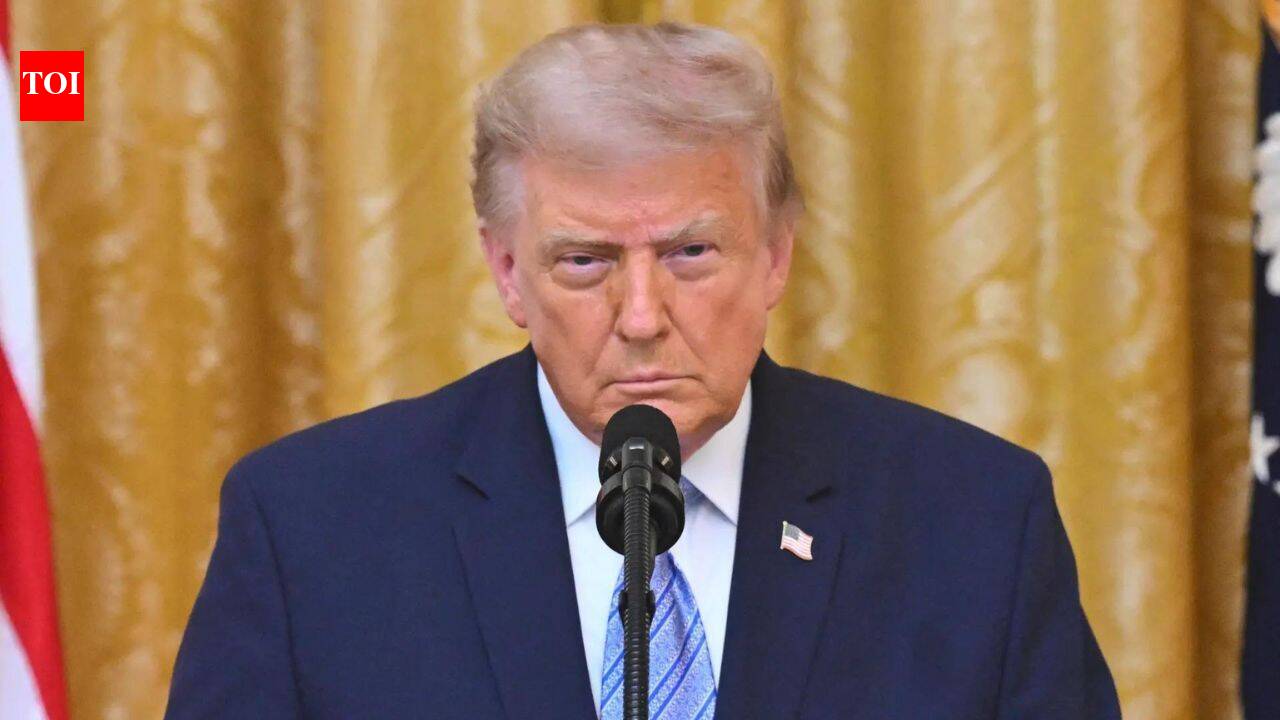
President Donald Trump on Wednesday announced a phased tariff plan for imported generic medicines, stating they would enter the US duty-free for two years before facing tariffs of up to 200%, according to a Truth Social post. The policy is designed to reshore generic pharmaceutical production to America.
Phased Tariff Schedule
Effective August 1, 2026, generic drugs will be subject to the following timeline:
| Period | Tariff Rate |
|---|---|
| Years 1–2 (Aug 1, 2026 – July 31, 2028) | 0% |
| Year 3 (Aug 1, 2028 – July 31, 2029) | 100% |
| Thereafter (from Aug 1, 2029) | 200% |
Trump stated: "This is done in order to RESHORE Generic Pharmaceutical Production into America, with a penalty to those Companies that decide not to build Plant and Equipment within the stated period of time given to them." He added that the policy on patented, branded, or innovative drugs will remain unchanged.
Impact on India: The 'Pharmacy of the World'
India, often called the "pharmacy of the world," is a major supplier of generic medicines to the US. According to a Global Trade Research Initiative (GTRI) report cited by the source, India exported $9.7 billion worth of pharmaceuticals to the US in 2025, representing 38% of its total pharmaceutical exports of $25.8 billion.
Healthcare analytics firm IQVIA reported that Indian pharmaceutical companies supply 47% of all generic prescriptions filled at US pharmacies. Indian-made generics saved the US healthcare system $219 billion in 2022 alone and $1.3 trillion over the past decade, according to the same source.
Indian drugmakers, including Cipla, Sun Pharmaceutical Industries, and Dr Reddy's Laboratories, have become major US suppliers. In 2022, they accounted for more than half of prescriptions by volume in five of the top ten therapeutic categories: high cholesterol, hypertension, depression, ulcers, and nervous system disorders, per an earlier TOI report.
Commonly prescribed Indian-made generics in the US include Metformin (diabetes), Atorvastatin (high cholesterol), Losartan (high blood pressure), and antibiotics such as Amoxicillin and Ciprofloxacin.
Broader Trade Context
The generic drug tariff plan is part of a broader Trump administration strategy to bring pharmaceutical manufacturing back to the US. It follows earlier measures that encouraged branded drugmakers to manufacture domestically or lower prices for tariff exemptions.
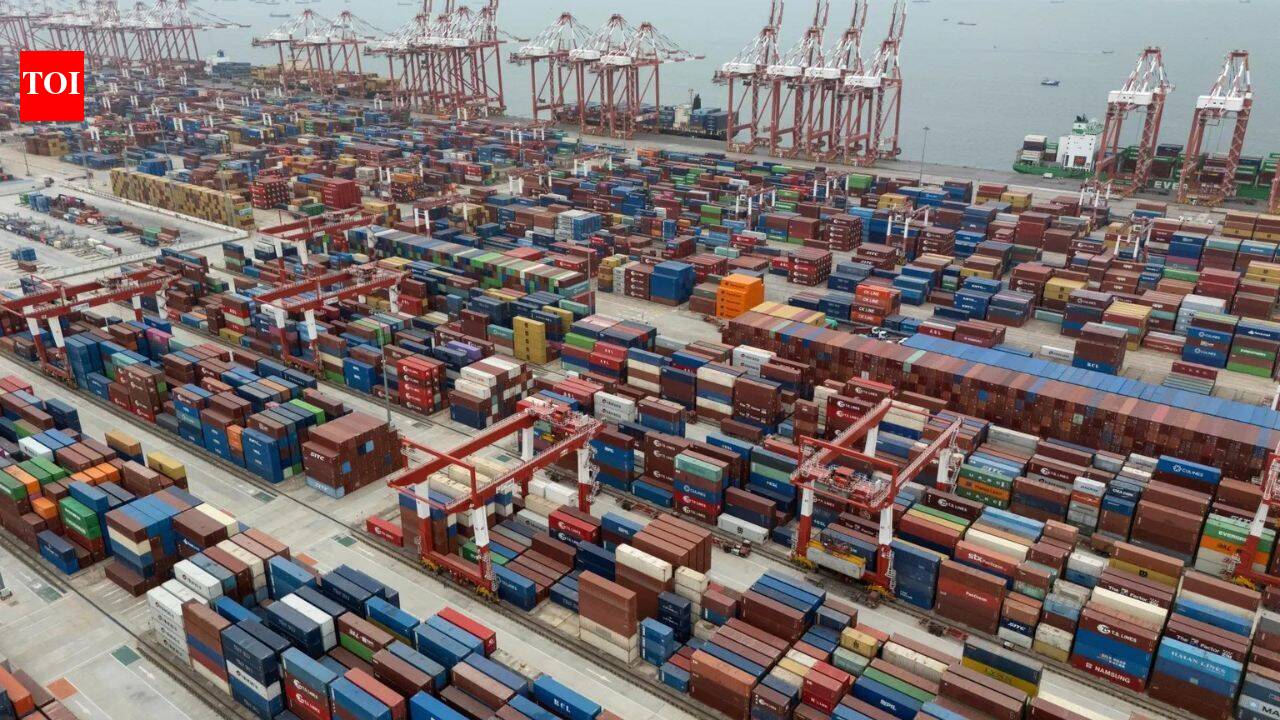
The move coincides with preparations for another round of tariffs targeting dozens of countries, including India. The temporary 10% blanket tariff on imports is due to expire later this week. According to the Financial Times, Washington is considering fresh tariffs of 10% to 12.5% on imports from around 60 countries, citing concerns over alleged forced labour practices and unfair trade policies.
US Trade Representative Jamieson Greer on Tuesday stated that additional tariff measures could be announced soon. "The US has laws to prohibit trading goods with forced labour. Other countries, most don't have a law; those that do don't really enforce it," Greer told CNBC. "We expect to see some action soon," he added.
The announcement also comes as Washington and New Delhi have repeatedly said they are close to finalising a bilateral trade agreement, according to the source.
What It Means for Importers and Trade Professionals
For importers of generic pharmaceuticals, the two-year grace period offers a temporary reprieve but signals a steep escalation ahead. The 100% and 200% tariff levels would dramatically increase costs for US buyers reliant on Indian generics. Given that the US Food and Drug Administration (FDA) estimates generic medicines account for more than 90% of all US prescriptions, the policy could reshape supply chains. Importers may need to explore alternative sourcing or domestic manufacturing partnerships within the window. Trade policy professionals should monitor bilateral negotiations and potential exemptions, as the phased structure may be subject to adjustment before the first tariff increase in 2028.
Sources: