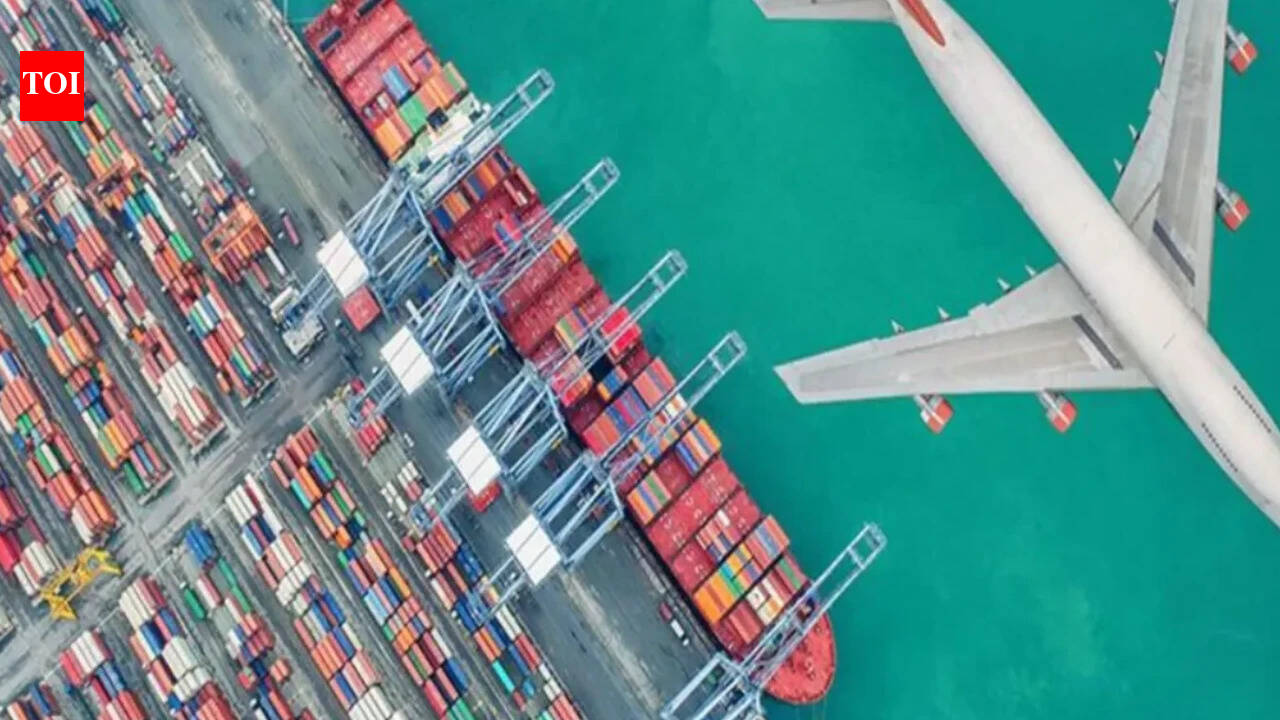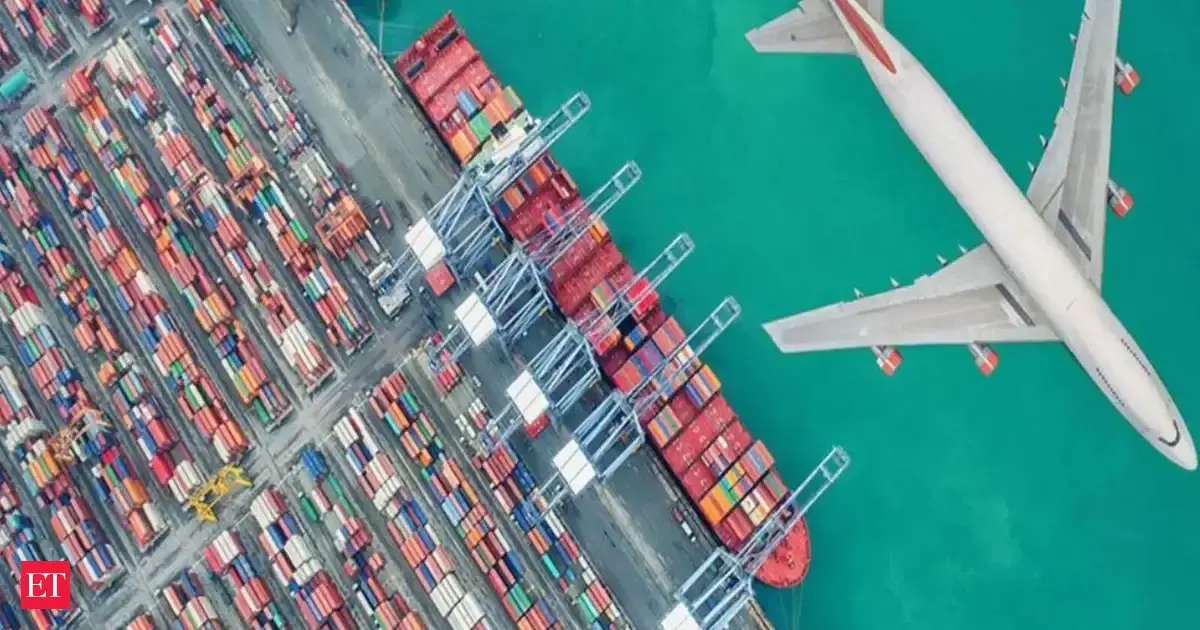
India’s exports to the US held firm over the 12 months through July, with the US continuing to account for about 20% of India’s outbound shipments, according to an analysis of trade ministry data reported by Economic Times. The stability came despite a year in which Trump slapped tariffs as high as 50% on Indian goods at one point, before dropping to 18% in February this year; the goods now carry a 10% tariff rate.
Tariff timeline
The tariff trajectory over the past year is summarised below:
| Period | Duty rate |
|---|---|
| At one point in the 12 months through July | 50% |
| February this year | 18% |
| Currently | 10% |
India’s FTA push
The uncertainty in US-India trade relations prompted Prime Minister Narendra Modi’s government to expedite free trade negotiations with other major markets, Economic Times reported. In the past year, India has signed:
- A trade deal with the UK, which took effect in July
- An agreement with the European Union
- An agreement with Oman
- An agreement with New Zealand
Despite months of high-level talks, the US and India have yet to sign a trade deal. The US remains uniquely important for Indian electronics, engineering goods, pharmaceuticals, gems and jewelry and textiles.
Commerce Secretary Rajesh Agrawal defended the diversification strategy. According to Economic Times, Agrawal told Bloomberg News:
"The focus is on engaging with economies that collectively account for over two-thirds of global GDP."
He added: "In an environment of global uncertainty and shifting trade patterns, FTAs also serve as institutional anchors for trusted economic partnerships." Agrawal said the agreements aim to reduce reliance on a single market and strengthen trade ties.
Expanding market base
Indian officials are working to broaden the range of goods sold overseas, adding about 500 new product lines, mainly in electronics, engineering and marine products. Earlier this month, India signed terms of reference with the Southern African Customs Union to accelerate trade negotiations, and New Delhi is seeking to extend that network across Latin America, the Middle East and Africa.
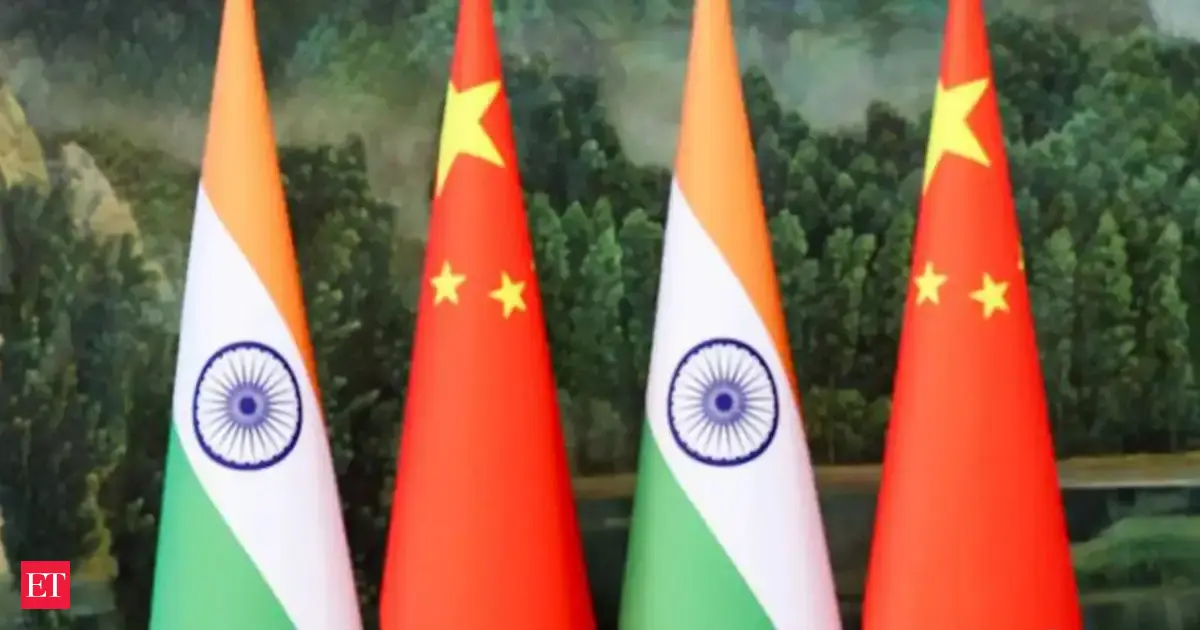
The shift is already visible in export data. According to Bloomberg calculations based on official figures, exports to China surged 42% in the 12 months through July, reaching $21.5 billion, compared with $88.5 billion shipped to the US. India now counts Australia among its faster-growing markets, while the UAE was its second-biggest export destination in the same period. Both countries signed trade agreements with India in 2022.
Analyst view: narrow window
Pritam Banerjee, a trade analyst and former head of the think tank Centre for WTO Studies, said free trade pacts can become a catalyst for shifting manufacturing away from China, but warned India’s window of opportunity is narrow. Deeper integration with Group of Twenty nations, which represent 85% of global GDP, along with Latin America, the Middle East and Africa, would help India immensely, he said.
That integration agenda will test whether India can turn tariff-driven uncertainty into durable export gains across more markets.
Sources: