India will likely rationalise most customs tariffs by the budget for fiscal year 2027-28, according to Finance Minister Nirmala Sitharaman. ET Online reported the announcement, describing the planned move as a significant overhaul of India's customs duty structure. The minister said the government intends to streamline customs tariffs, aligning them with a simpler and more predictable framework for trade.
Tariff rationalisation target: budget 2027-28
According to Economic Times – Foreign Trade, the rationalisation of most customs tariffs is targeted for the 2027-28 budget. The report does not specify which tariff lines would be affected or the exact rate changes, but it characterises the exercise as a major restructuring of import duties rather than a marginal adjustment. Sitharaman's statement indicates the government is working toward a defined timeline for the overhaul, giving businesses a forward-looking signal on the direction of Indian trade policy.
The timeline places the completion of the process within the government's fiscal planning horizon. For customs brokers and compliance teams, the stated window provides a basis for anticipating amendments to India's tariff schedule ahead of the next full budget cycle.
Simpler trade procedures and cost predictability
The reported objective of the rationalisation is to simplify trade procedures. According to ET Online, the move is expected to simplify trade procedures and potentially boost economic activity by making imports and exports more predictable and cost-effective for businesses across various sectors.
Key sourced expectations:
- Predictability – Imports and exports would become more predictable for businesses.
- Cost-effectiveness – The restructured tariff schedule is expected to make cross-border trade more cost-effective.
- Broad sectoral impact – The benefits are seen across various sectors, according to the report.
- Economic activity – The overhaul could potentially boost economic activity.
| Element | Detail |
|---|---|
| Announced by | Finance Minister Nirmala Sitharaman |
| Target period | Budget 2027-28 |
| Scope | Most customs tariffs |
| Stated goal | Streamline customs tariffs |
| Expected outcomes | Simpler trade procedures; predictable, cost-effective imports and exports |
Context of the announcement
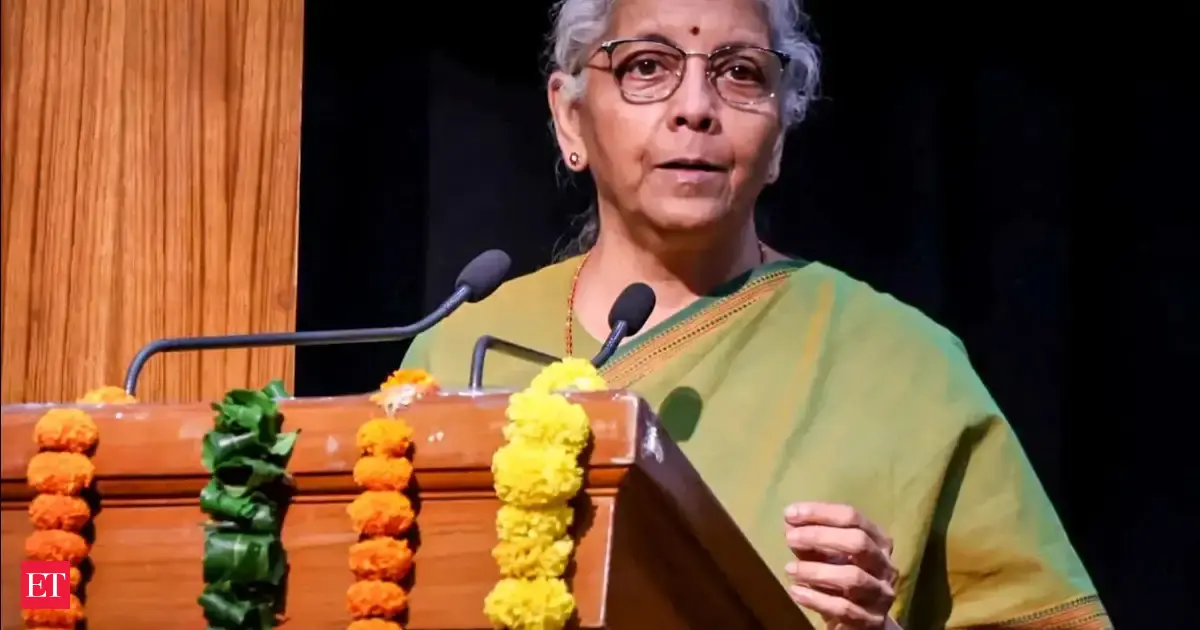
The photo accompanying the report shows Sitharaman attending the INDICA Guru Utsava 2026, the event at which the statement was picked up by ET Online. The report does not include a verbatim quote from the finance minister, so the precise wording of her announcement has not been published. What is on record is the target and the intended effect: a comprehensive rationalisation of the customs tariff structure to be delivered in the 2027-28 budget.
For importers and exporters, the stated objective is unambiguous. A tariff regime that is simpler, more predictable, and more cost-effective directly affects landed cost calculations, supply chain planning, and customs compliance strategy. By committing to a specific budget year, the government has signalled that businesses can expect the current complex duty structure to be revisited in a structured manner rather than through piecemeal changes.
Sources: