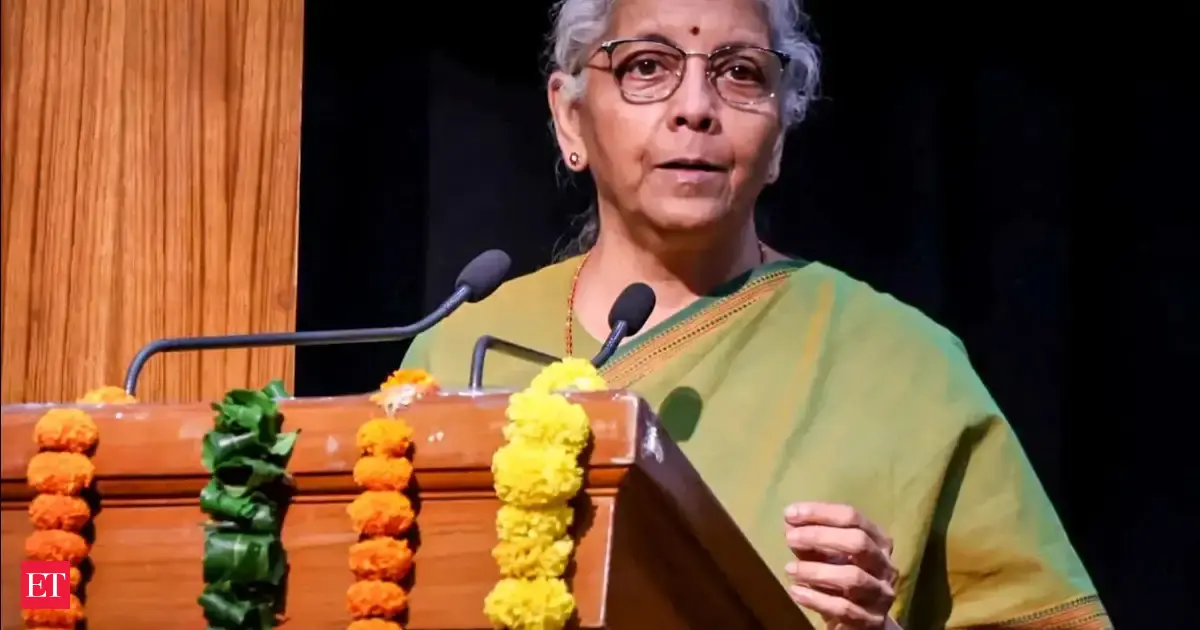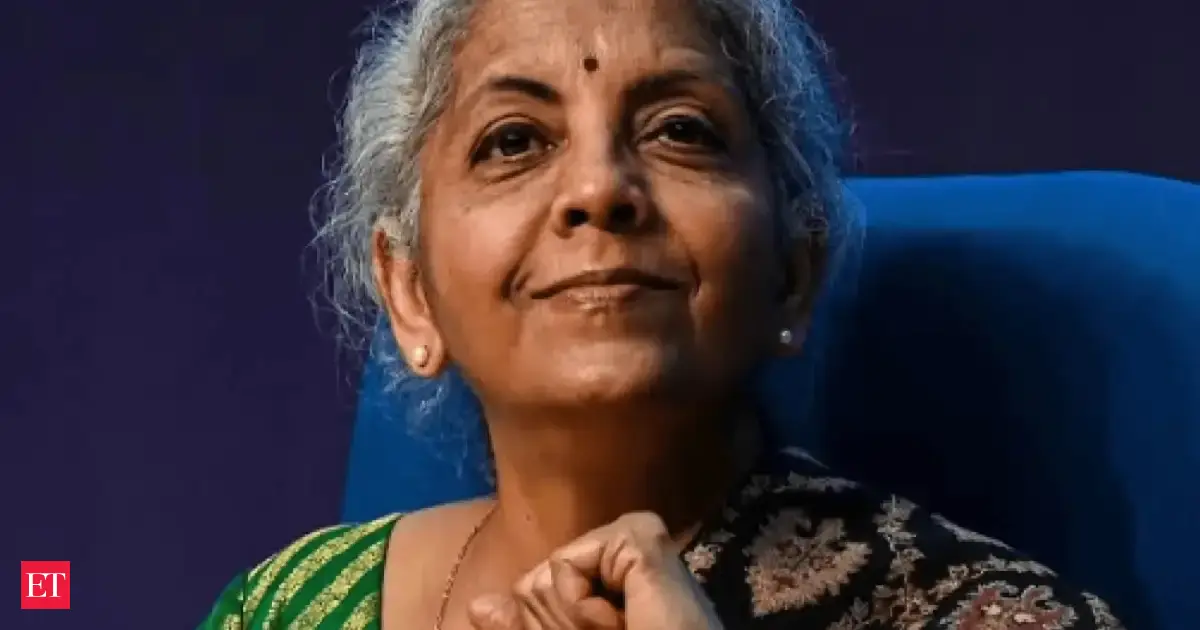
According to the Economic Times, Finance Minister Nirmala Sitharaman said tariff rationalisation is continuing and her government will keep it up, with more steps likely in the FY28 Budget. She responded to a question on tariff reforms after delivering the CD Deshmukh memorial lecture at the National Council of Applied Economic Research in the capital.
Tariff rationalisation in numbers
According to the Economic Times, India's simple average tariff stood at 15.8% in 2025, based on World Trade Organization data. The report added that several experts have called for lower tariffs to improve the competitiveness of domestic manufacturers amid rising global uncertainties.
The rationalisation is continuing, and we will keep it up.
Sitharaman said this in response to a question on tariff reforms.
Customs duty exemptions and SEZ proposals
The Economic Times report also flagged customs duty exemptions aimed at strengthening energy security and boosting civil and defence aviation manufacturing. In addition, Sitharaman proposed allowing eligible manufacturing units in special economic zones to sell goods in the domestic tariff area at a concessional duty.
| Measure | Detail (as reported) |
|---|---|
| Tariff rationalisation | Ongoing; more steps likely in FY28 Budget |
| Simple average tariff (2025) | 15.8%, per WTO data |
| Customs duty exemptions | To strengthen energy security and boost civil and defence aviation manufacturing |
| SEZ sales | Eligible manufacturing units in SEZs may sell goods in the domestic tariff area at a concessional duty |
Viksit Bharat vision
The tariff comments came within a broader address on India's vision at 100 years of Independence. Sitharaman said:
India at 100 years of Independence is not the conclusion of a journey. It is a milestone within a much larger and longer civilisational continuum.
According to the Economic Times, she added that to achieve that vision, India must dismantle the remnants of its colonial mindset and "reject the psychology of victimhood."
Sitharaman described India's destiny as becoming a developed civilisation that "combines prosperity with trusteeship, enterprise with responsibility, innovation with civilisational wisdom, global leadership with cultural rootedness, environmental stewardship with economic progress, and individual success with collective welfare."
She said that destiny is not preordained but will be shaped by the "choices we make, the institutions we strengthen, our civilisational roots and the legacy we leave."
Trusteeship and generational responsibility
The Finance Minister said sustained collective effort would ensure that India becomes prosperous without becoming consumerist, wealthy without becoming materialistic and globally successful without losing its civilisational character.
"Our model is neither consumerist nor mercantilist, as wealth has meaning only when it strengthens society as a whole," she said, according to the Economic Times.
Sitharaman added that wealth and resources carry obligations to society and future generations. "We may enjoy what we inherit, but we, as trustees, are not entitled to exhaust it," she said.
The true measure of India's progress, she said, would be whether each generation leaves behind a stronger, wiser, more compassionate and more capable nation than the one it inherited.
Sources: