Michigan-based automaking upstart Slate officially unveiled America's newest and cheapest electric truck last week, with a base model priced at just below $25,000. The small, modular vehicle forgoes powered windows and speakers at entry level, but its rock-bottom price hinges on a critical component: a lithium iron phosphate (LFP) battery pack, according to WIRED.
The LFP Battery Advantage
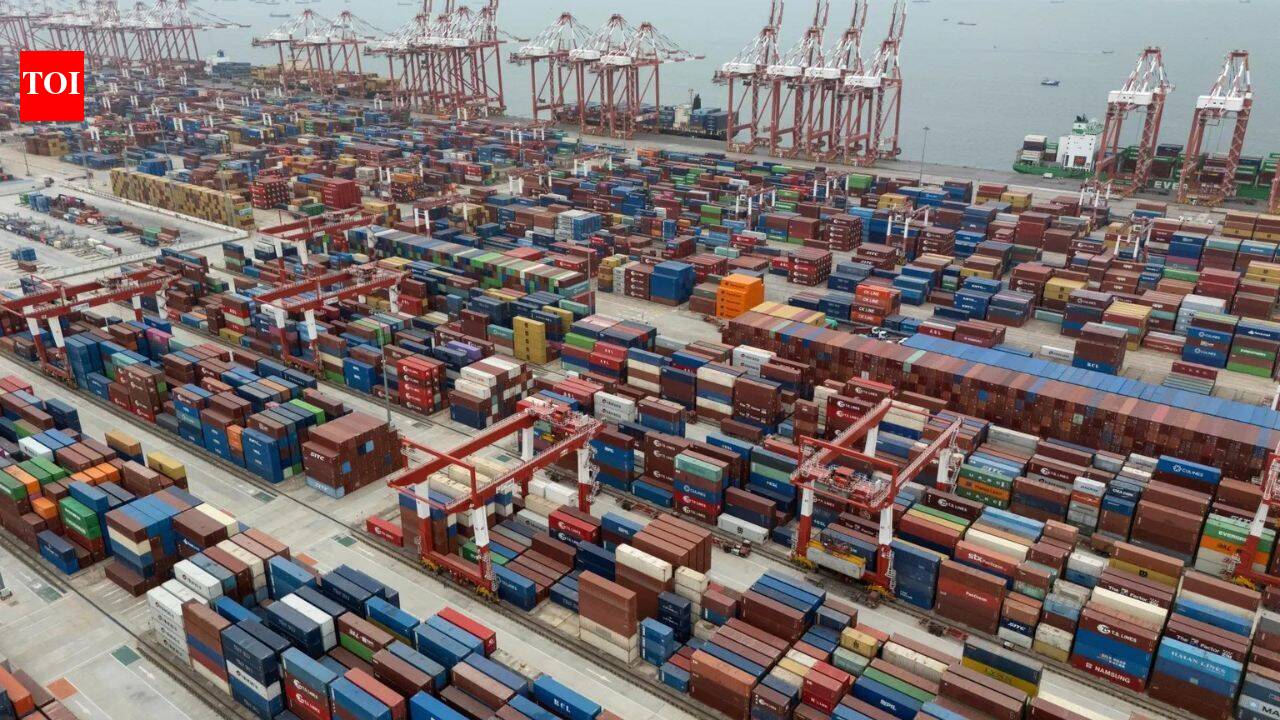
LFP battery technology was invented in the US but perfected in China. Today, 97.8 percent of LFP cathode production takes place in China, per data from Benchmark Mineral Intelligence, a London research firm. (Nearly 85 percent of all cathode production happens in China.) LFP batteries are cheaper than traditional nickel manganese cobalt (NMC) batteries, making them attractive for low-cost EVs. Chinese giants BYD and CATL have built a robust supply chain around LFP, from cathode production to mining and processing.
Tax Credit Reversal Opens the Door
Slate initially did not focus on LFP batteries, InsideEVs noted. The reason was the 2022 climate law signed by President Biden, which created a tax credit of up to $7,500 for new EV buyers. To qualify for the full credit, manufacturers had to use batteries assembled in the US with materials from the US and its allies—excluding "foreign entities of concern" including China. That made LFP batteries problematic because nearly all LFP production is in China.
But the calculus changed last summer when the GOP-led Congress fulfilled a long-standing Trump campaign promise to "end the electric vehicle mandate" by killing the tax credit. Automakers no longer had to worry about the foreign content of their batteries for fear of losing the credit. This opened the door for Slate and others to adopt LFPs.
"The industry's pivot to more affordable batteries is partly due to market forces and what consumers are requesting, as well as some of the regulatory and policy changes with the Trump administration," said Bob Lee, president of LG Energy Solution in North America, which operates eight manufacturing plants across the continent.
Industry Impact
BloombergNEF predicted earlier this month that US EV sales will fall by 19 percent this year because of the tax credit repeal and subsequent automaker decisions to reduce EV output. The market is now confusing and sluggish, but automakers have more flexibility on battery sourcing.
| Metric | Value | Source |
|---|---|---|
| LFP cathode production in China | 97.8% | Benchmark Mineral Intelligence |
| Total cathode production in China | ~85% | Benchmark Mineral Intelligence |
| Slate base model price | < $25,000 | Slate / WIRED |
| US EV sales forecast change 2026 | -19% | BloombergNEF |
For importers and trade policy professionals, the shift underscores how tariff and incentive structures can reshape supply chains. The removal of content restrictions makes Chinese-sourced LFP batteries more accessible, potentially lowering costs for US manufacturers but also deepening reliance on Chinese supply. As US automakers like Ford (which partnered with CATL for LFP production) and the industry at large adjust to the new landscape, the long-term implications for domestic battery production and trade flows remain to be seen.
Sources: