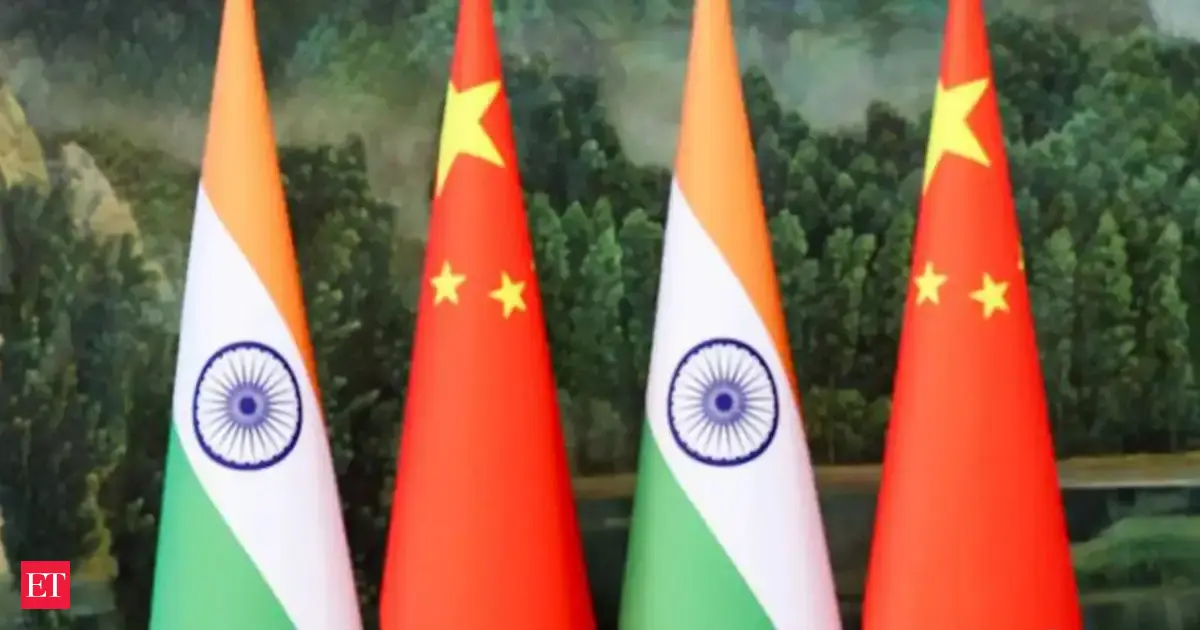
The United States has placed India among more than 40 countries that face risks of becoming conduits for Chinese goods seeking to avoid American tariffs, potentially adding another complication to ongoing trade negotiations between Washington and New Delhi, according to a new report by the White House Office of Trade and Manufacturing Policy. The report, which describes the practice as the "Great Transhipment Scam," accuses exporters in multiple countries of helping Chinese goods enter the US market through third countries, including by rerouting shipments, relabelling products or falsely declaring their country of origin. Washington warned it would step up efforts to detect and penalise such shipments.
India placed in top-risk tier alongside major economies
The report divides the more than 40 countries into three categories based on their economic relationship with China and the risk of transshipment. India was placed in Tier 1, described as "Diversified Scale Leaders," alongside Canada, the European Union, Israel, Japan, Mexico, South Korea and Taiwan. According to the report, these are large and diversified industrial economies where the risk of transshipment is embedded within otherwise legitimate trade flows.
| Tier | Category | Countries |
|---|---|---|
| Tier 1 | "Diversified Scale Leaders" | India, Canada, European Union, Israel, Japan, Mexico, South Korea, Taiwan |
| Tier 2 | "Significant Economic Integration with China" | Brazil, Indonesia, Malaysia, Thailand, Turkey, Vietnam |
| Tier 3 | "Small, Opportunistic Targets" | Bangladesh, Cambodia, Philippines, Singapore, Sri Lanka, UAE |
Tier 2, or "Significant Economic Integration with China," includes Brazil, Indonesia, Malaysia, Thailand, Turkey and Vietnam. Tier 3, described as "Small, Opportunistic Targets," includes Bangladesh, Cambodia, the Philippines, Singapore, Sri Lanka and the UAE. The classification does not by itself allege that all countries or their governments are deliberately facilitating tariff evasion; rather, it identifies them as jurisdictions where US officials see varying levels of transshipment risk.
Navarro warns India and Vietnam over tariff evasion
Senior US trade adviser Peter Navarro specifically named India during a briefing on the report, warning that countries facing higher US tariffs could have an incentive to facilitate the routing of Chinese goods through their territories. "This is about the 40-plus countries that are enabling the transshipping, and as we impose higher tariffs on other countries, India, Vietnam, down the line, they're going to try this transhipment too," Navarro said.
He said countries seeking lower tariffs should not use transshipment as a way to circumvent US trade measures:
The way to pay less is not to cheat; it is to stop dumping, respect intellectual property, drop your barriers to American goods and move towards reciprocity.
Navarro also warned countries facilitating such trade that "preferential access to the American market is not a license to launder somebody else's exports."
How transshipment works and why the US is targeting it
Transshipment generally involves goods being routed through a third country before reaching their final destination. In legitimate trade, products can pass through several countries as part of complex supply chains. The concern raised by Washington is about shipments allegedly being rerouted or minimally processed to obscure their Chinese origin and avoid tariffs imposed on Chinese products.
The report cited examples including Chinese electric motors being fitted into recliners in Vietnam, and referred to so-called "screwdriver factories," where imported components undergo only limited assembly before being exported as products originating from another country. US officials said such processes may not constitute the "substantial transformation" needed for a product to legitimately acquire a new country of origin.
US plans AI monitoring and tougher penalties
Washington is planning several measures to intensify its crackdown on suspected transshipment, according to the report. These include an executive order aimed at strengthening enforcement powers at US Customs and Border Protection (CBP) and a new AI-based monitoring system described as a "detective border," intended to identify shipments carrying a higher risk of transshipment.
The report also warned that Washington would step up efforts to detect and penalise transshipment, signalling that the US sees the practice as a central vulnerability in its tariff enforcement against Chinese goods.
Sources: