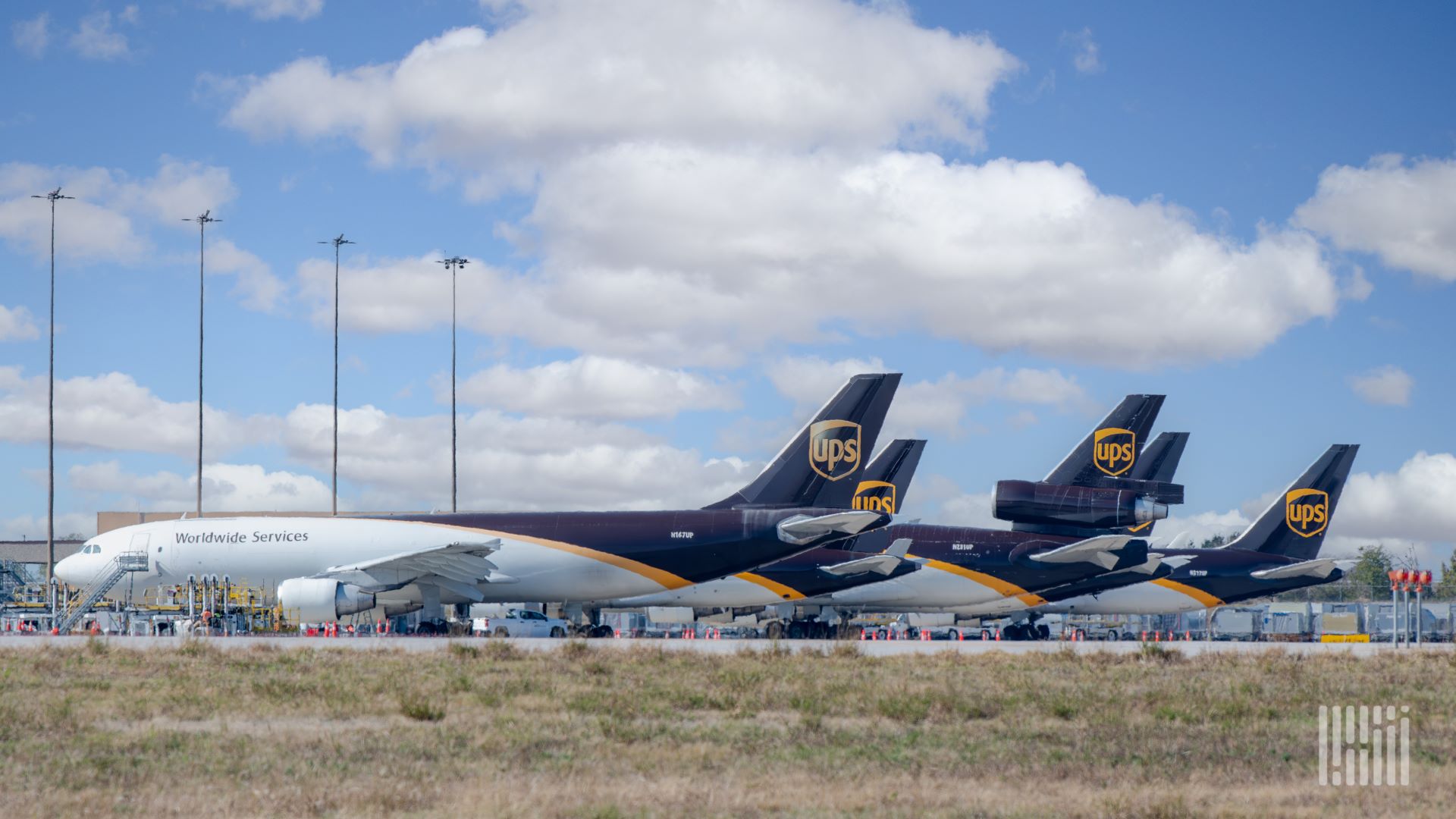
Half of the U.S. Postal Service's long-distance First-Class mail now travels by air — not because of operational necessity, but to fulfil minimum volume guarantees in its multibillion-dollar air cargo contract with United Parcel Service (UPS), according to a report by the Postal Service's Office of Inspector General (OIG).
The audit, publicly released on July 8, 2026, found that postal officials failed to align the UPS contract with declining parcel volumes and a new strategy that prioritises cheaper motor carriers over expensive air shipping. To avoid penalties for failing to meet minimum volume thresholds, the USPS diverted First-Class mail and marketing mail to its air network — a move that the OIG called a direct contradiction of the agency's own cost-saving initiatives.
The Contract and Its Consequences
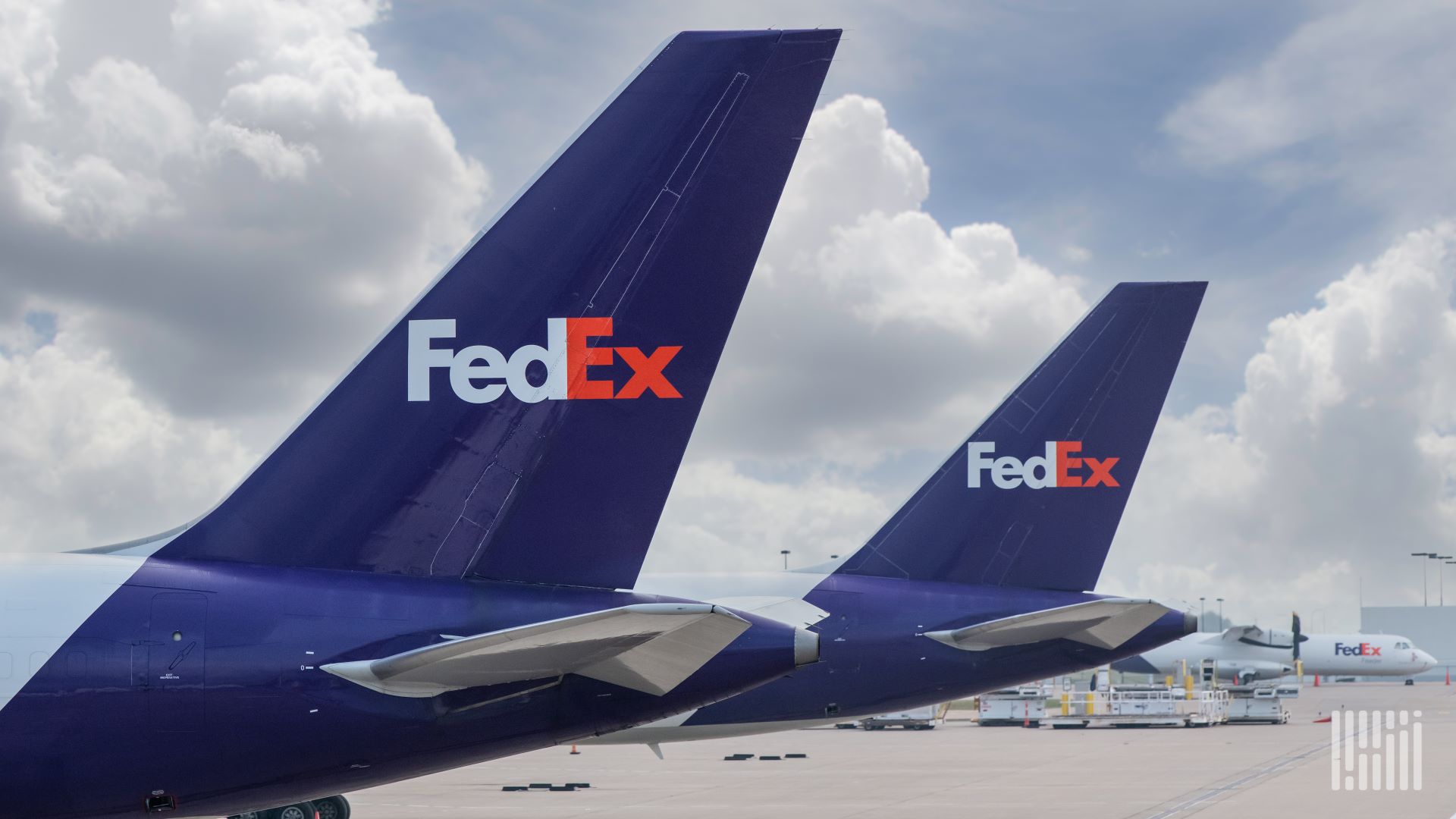
The UPS contract, which replaced a previous agreement with FedEx, took full effect in October 2024. It has a base term of 5.5 years with an estimated annual value of $1.5 billion; the OIG now lists the total contract value at more than $10 billion. The pricing structure is per cubic foot, tied to average daily volume, with the USPS guaranteeing a minimum average volume. Specific volume and percentage thresholds are redacted in the public report.
To meet the contractual minimum, the Postal Service drastically changed its modal mix. The percentage of First-Class mail with a three-to-five-day delivery window traveling by air rose from 2% in October 2024 to 50% by March 2025 — a 25-fold increase. Additionally, beginning in March 2025, the USPS began moving Marketing Mail (flyers, brochures, fundraisers) by air, a product historically transported by truck.
| Metric | Before Contract (Oct 2024) | After Contract (Mar 2025) |
|---|---|---|
| First-Class mail (3-5 day window) traveling by air | 2% | 50% |
| Marketing Mail moved by air | None (historically truck) | Started March 2025 |
Cost implications
The OIG report states that if the USPS had not supplemented package volumes with mail to meet minimums, it would have paid an extra $127 million for unused air capacity. The audit found that "the Postal Service did not properly forecast declining package volumes or impacts of subsequent network changes when establishing the volume requirements of its new air cargo contract." As a result, the USPS is putting more mail on planes "even though this contradicts previous decisions to extend delivery standards to allow more mail to move by surface — simply to meet contractual minimums and avoid even higher expenses."
The Postal Service's Delivering for America transformation plan, launched six years ago, aimed to cut costs by shifting mail and parcels to trucking. It extended First-Class delivery standards by one to two days in October 2021 to enable more surface movement and projected annual savings of $1.1 billion from surface transportation and $701 million from air transportation through optimisation initiatives. The current air-heavy operations undermine those savings.
Implications for freight operators
For air cargo carriers and logistics providers, the report highlights how contractual volume commitments can distort modal decisions at scale. The shift of marketing mail to air creates new demand for air cargo capacity on domestic routes, but also raises questions about the sustainability of pricing if volumes are artificial.
The OIG urged postal logistics officers to consider early termination of the UPS contract and pursue a deal with better conditions. Any renegotiation or termination would ripple through the domestic air cargo market — UPS would lose a major anchor customer, and the USPS could return to a more surface-oriented network, potentially reducing demand for air lift.
Freight forwarders and 3PLs serving the postal sector should monitor contract developments closely, as changes in modal splits affect trucking and airfreight rates on key long-haul lanes. The temporary distortion created by the contract may unwind if the Postal Service heeds the Inspector General's advice.
Sources: