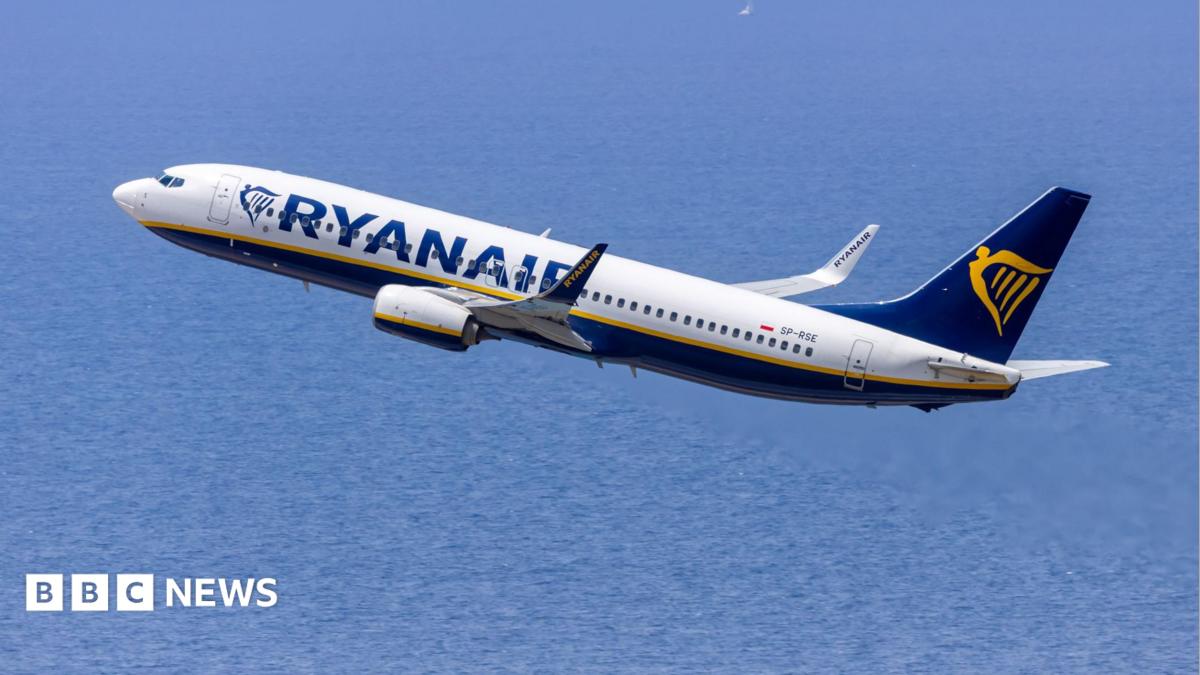
Ryanair's profits dropped 34% in the April-June quarter, a signal that geopolitical conflict in the Middle East is bleeding into air travel demand and fuel costs — with direct implications for air cargo capacity and pricing, according to BBC Business.
The Numbers
Ryanair reported pre-tax profits of €593m (£503m) for the three months to June, a 34% year-over-year decline, according to BBC Business. Sales were flat as the airline was forced to cut fares to stimulate demand. Ryanair also expects summer fares to be slightly lower than last year due to "consumer hesitancy" around air travel, the airline said.
Fuel Cost Shock
Jet fuel prices have soared since the US and Israel launched strikes against Iran in February, the BBC reported. While Ryanair 'hedged' (struck advance deals for) most future fuel costs, those not covered by hedging have more than doubled in price. Crude oil prices continued to rise, surpassing $90 (£67) per barrel for the first time in a month, after a weekend of intense exchanges of fire between the US and Iran. Brent crude, the global benchmark, rose 2.5% on Monday, according to BBC Business.
Key Chokepoint: Strait of Hormuz
Traffic through the Strait of Hormuz — an essential route for global oil and gas supplies — has ground to a halt, the BBC reported. This disruption directly limits crude supply and is a primary driver of the recent oil price spike. Shane Oliver, head of investment strategy at fund manager AMP, warned: "The longer the strait remains closed and the war escalates, the greater the risk that oil prices will have to rise to around $150 a barrel to bring demand down to match the hit to supply." He added: "This is not our base case but it's a high risk again."
Air Freight Implications
For air freight forwarders and logistics managers, Ryanair's weakness signals broader pressure on airline profitability that could translate into reduced passenger flight frequencies — and consequently lower belly cargo capacity on key routes, especially those connecting Europe to the Middle East and Asia. Airlines may also impose fuel surcharges to pass on higher jet fuel costs. The consumer hesitancy cited by Ryanair may extend to business travel and cargo demand if the conflict deepens.
Watch List
- Oil price trajectory: Brent crude rising above $90 and the Strait of Hormuz closure could push spot rates higher, affecting fuel surcharges across all modes.
- Escalation in Middle East: Further strikes or retaliation could widen the conflict, disrupting more airspace and trade lanes.
- Airline hedging strategies: Carriers with less hedging may face steeper cost increases, potentially leading to capacity cuts.
- Summer travel demand: Lower passenger fares may stimulate some travel, but hesitancy could persist, squeezing cargo capacity on mixed-traffic flights.
Sources: