The operational impact of a gap in medical certification processes is threatening the validity of Commercial Driver's Licenses (CDLs), potentially sidelining drivers and disrupting logistics operations.
The Transition to National Registry 2
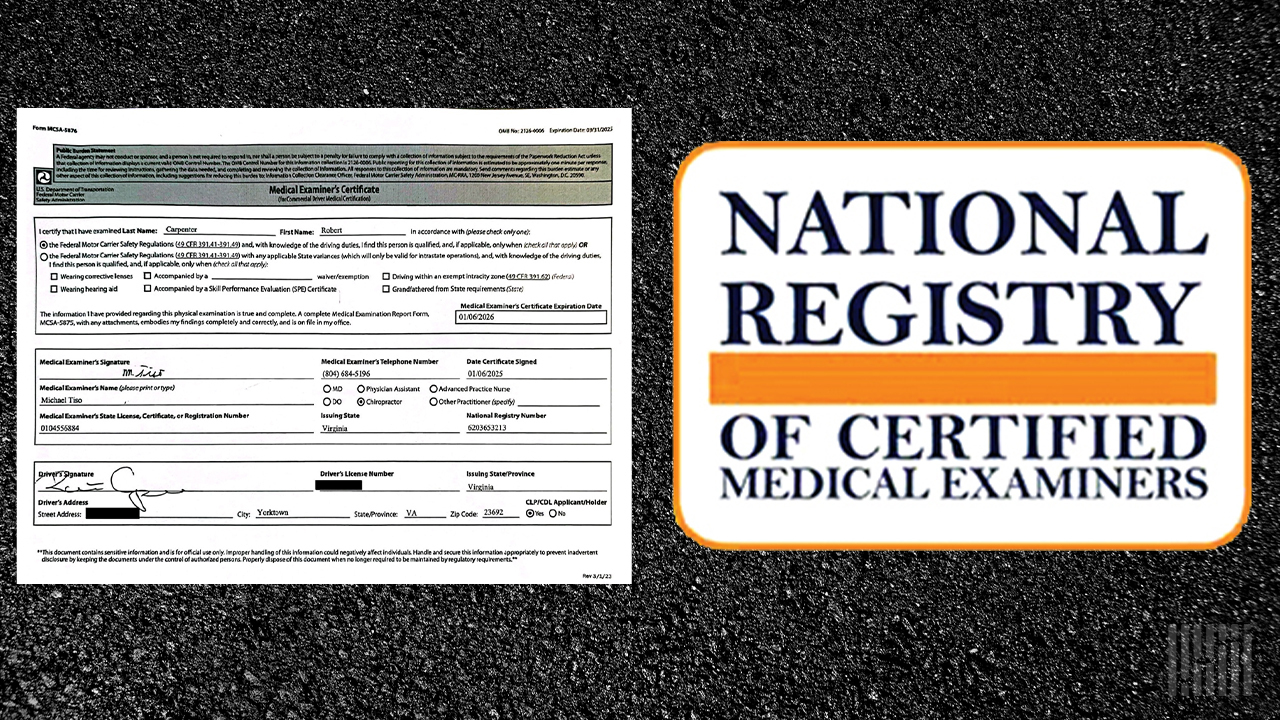
The Federal Motor Carrier Safety Administration (FMCSA) has implemented a new system, National Registry 2, which shifts the responsibility of uploading medical examination results from drivers to certified medical examiners. According to FreightWaves, this change aims to streamline the process and reduce compliance gaps by having examiners directly upload results to the FMCSA, which then forwards the data to state licensing agencies.
Where the Process Fails
The process is breaking at the point of upload. Many certified medical examiners, including physicians and other healthcare professionals, are unaware of their new responsibilities. As a result, they often fail to upload the results to the FMCSA, leaving drivers with valid paper certificates but no electronic record, as reported by FreightWaves. This oversight can lead to CDL downgrades if the state does not receive the necessary data.
Implications for Drivers and Carriers
Drivers must ensure their examiners are aware of the upload requirement. FreightWaves suggests that drivers confirm the upload before leaving the examiner's office and follow up with state agencies to verify the update. Carriers, on the other hand, need to conduct Motor Vehicle Record (MVR) checks within 30 days of a DOT physical to ensure compliance and avoid potential legal issues.
Watch List
- FMCSA Compliance: Monitor updates from the FMCSA regarding the National Registry system.
- State Licensing Agencies: Check for any changes in state-level processes that might affect CDL status.
- Medical Examiner Training: Stay informed about training programs for medical examiners to ensure they understand their responsibilities.
The ongoing issue with medical certification uploads highlights the need for both drivers and carriers to be proactive in ensuring compliance with FMCSA regulations. By taking these steps, they can mitigate the risk of CDL downgrades and maintain operational continuity.
Sources: