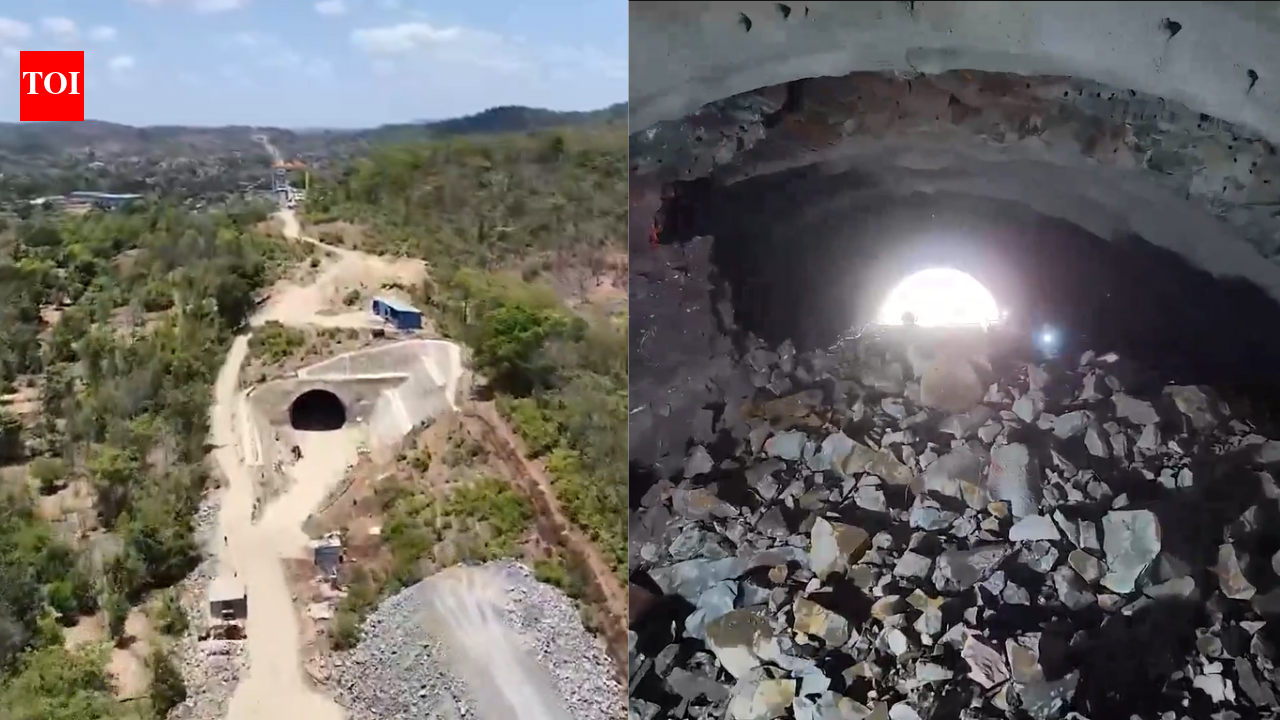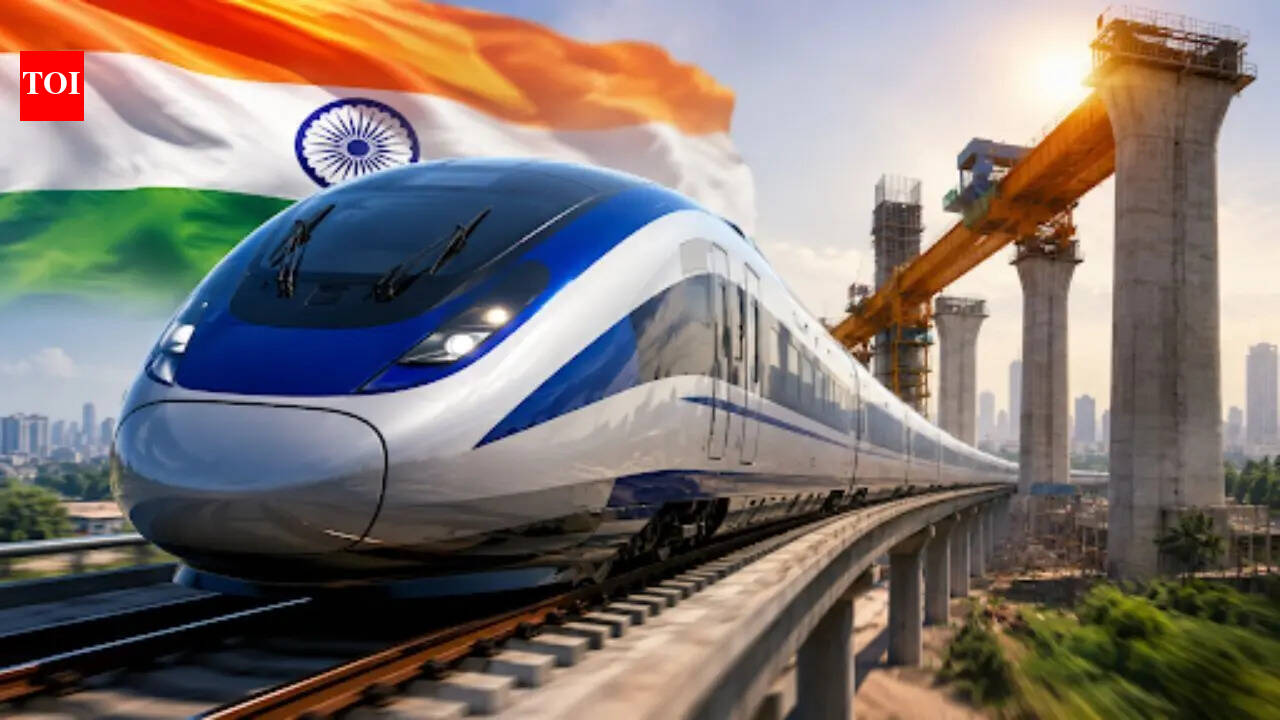
India's ambitious Mumbai-Ahmedabad High-Speed Rail (MAHSR) project is finally showing tangible progress after nine years of planning and construction. The project, which aims to introduce high-speed rail technology to India, is now in its most advanced phase.
Project Background
The bullet train project was launched in 2017 with the support of Japan, utilizing the Shinkansen system. The 508-km corridor will connect Mumbai and Ahmedabad, passing through Maharashtra, Gujarat, and the Union Territory of Dadra and Nagar Haveli and Daman and Diu. The route includes 12 stations, with trains designed to operate at speeds up to 320 kmph.
Current Developments
Significant infrastructure developments are underway, including the construction of viaducts and an undersea tunnel near Mumbai. The project is managed by the National High Speed Rail Corporation Limited (NHSRCL), with the first indigenously developed high-speed trainset expected by 2027.
"The Mumbai-Ahmedabad corridor was selected due to its status as one of India's busiest business travel routes," railway officials stated.
Implications for Logistics
The completion of the bullet train corridor is expected to significantly reduce travel time between Mumbai and Ahmedabad, enhancing connectivity for business and logistics operations. This development could lead to increased demand for rail freight services along the corridor.
| Station | Current Travel Time | Projected Travel Time |
|---|---|---|
| Mumbai to Ahmedabad | 7 hours | 2 hours |
| Vande Bharat Express | 5.5 hours | N/A |
Challenges and Recommendations
The project has faced challenges such as land acquisition issues and cost escalations. Logistics managers should monitor the project's progress and consider potential impacts on freight operations in the region.
Watch List
- Land acquisition progress
- Cost management strategies
- Impact on regional freight demand