Express parcel rates per package jumped 5.9% sequentially in the second quarter of 2026, driven by elevated fuel surcharges, higher billed weight, and a rise in premium services, according to the latest TD Cowen/AFS Freight Index released Tuesday by AFS Logistics and TD Cowen. The index projects express parcel rates to climb 11% year over year in the current quarter, with the overall express index reaching a record 15.8% above the 2018 baseline — though the per-package price will only tick up 0.3% from Q2.
Fuel Surcharge Escalation
Fuel surcharges rose 65.4% year over year in the second quarter, reflecting the impact of rising diesel and jet fuel costs from the Iran war on crude oil prices, the report said. The average net fuel surcharge per package increased 40% year over year. Carriers have continued to rewrite the formula for calculating the fee, ensuring surcharge revenue holds firm even if diesel prices fall. According to TD Cowen/AFS Logistics, if diesel drops to $4 per gallon, shippers would still pay more than a 24% fuel surcharge, compared to just 21% under last year's tables. Retail diesel prices jumped 22 cents to $4.79 per gallon on Monday after a nine-week decline, although prices remain lower than four weeks ago.
Carrier Pricing Strategies
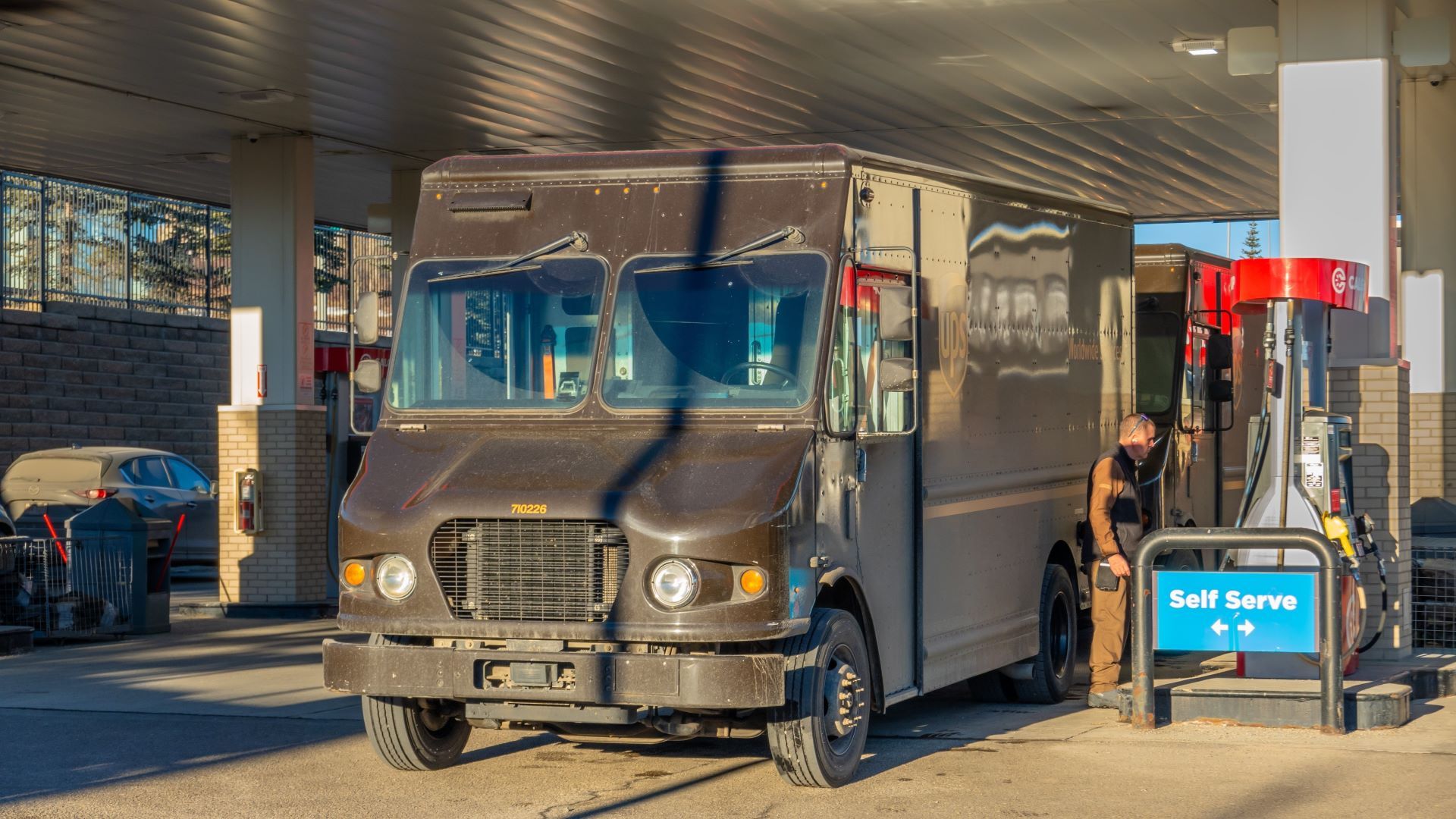
Both FedEx (NYSE: FDX) and UPS (NYSE: UPS) tightened pricing from Q1 to Q2, a reversal of the prior quarter's dynamic. In the express arena, FedEx applied deeper discounts while UPS kept pricing higher. Discount levels declined overall. Parcel shipping costs also rose after both carriers adjusted pricing formulas to bill more parcels at a higher weight class and due to growth in more lucrative next-day services. Fuel surcharges remain a cornerstone of their pricing strategy, with collections exceeding expenditures and acting as a profit center, the report noted.
| Metric | Q2 2026 Change | Q3 2026 Projection |
|---|---|---|
| Express parcel rate per package (sequential) | +5.9% | +0.3% from Q2 |
| Express parcel rate (YoY) | n/a | +11% |
| Express index vs 2018 baseline | n/a | 15.8% (record high) |
| Ground parcel rate index vs 2018 baseline | 42.4% (record high) | 38.7% (-2.6% QoQ) |
| Ground parcel rate (YoY) | n/a | +5.2% |
| Fuel surcharge (YoY) | +65.4% | n/a |
| Net fuel surcharge per package (YoY) | +40% | n/a |
Shifting Carrier Landscape
Shippers, weary from repeated rounds of fuel surcharges and accessorial fees, are increasingly switching to Amazon and smaller alternative carriers that impose fewer surcharges. Regional and last-mile carriers such as OnTrac, GLS, Spee-Dee, Veho, and UniUni more than doubled their volumes from 2024 to 2025, according to the Pitney Bowes parcel shipping report from June. Alternative carriers now represent 7.2% of the market, up from 3.4%. Most of the share gain came at the expense of UPS, whose volume fell from 34% to 31.6%. Amazon, the U.S. Postal Service, and FedEx volumes remained relatively flat year over year.
This shift is a welcome development for shippers who have faced rising costs. Both FedEx and UPS have pulled back from low-revenue, last-mile B2C deliveries to focus on high-margin, premium B2B segments such as healthcare and specialized e-commerce, as the cost of operating end-to-end delivery networks exceeds what many retailers are willing to pay.
Implications for Shippers and Operators
For logistics managers and freight forwarders, the near-record parcel rates — ground parcel rates are on track to make 2026 the highest cost per package on record — demand immediate attention. With fuel surcharges unlikely to ease quickly due to geopolitical tensions, shippers should renegotiate contracts and explore alternative carriers to mitigate cost increases. The growing share of alternative carriers (now 7.2%) offers a viable option, particularly for last-mile deliveries. However, as carriers tighten discounts and adjust weight classifications, shippers must audit their parcel profiles to avoid unexpected billing increases.
Watch list: Further escalation of US-Iran hostilities could push diesel prices higher, fueling additional surcharge adjustments. The ongoing shift in carrier strategy away from B2C and toward profitable B2B segments may reduce capacity for e-commerce shippers, driving further volume to regional carriers.
Sources: