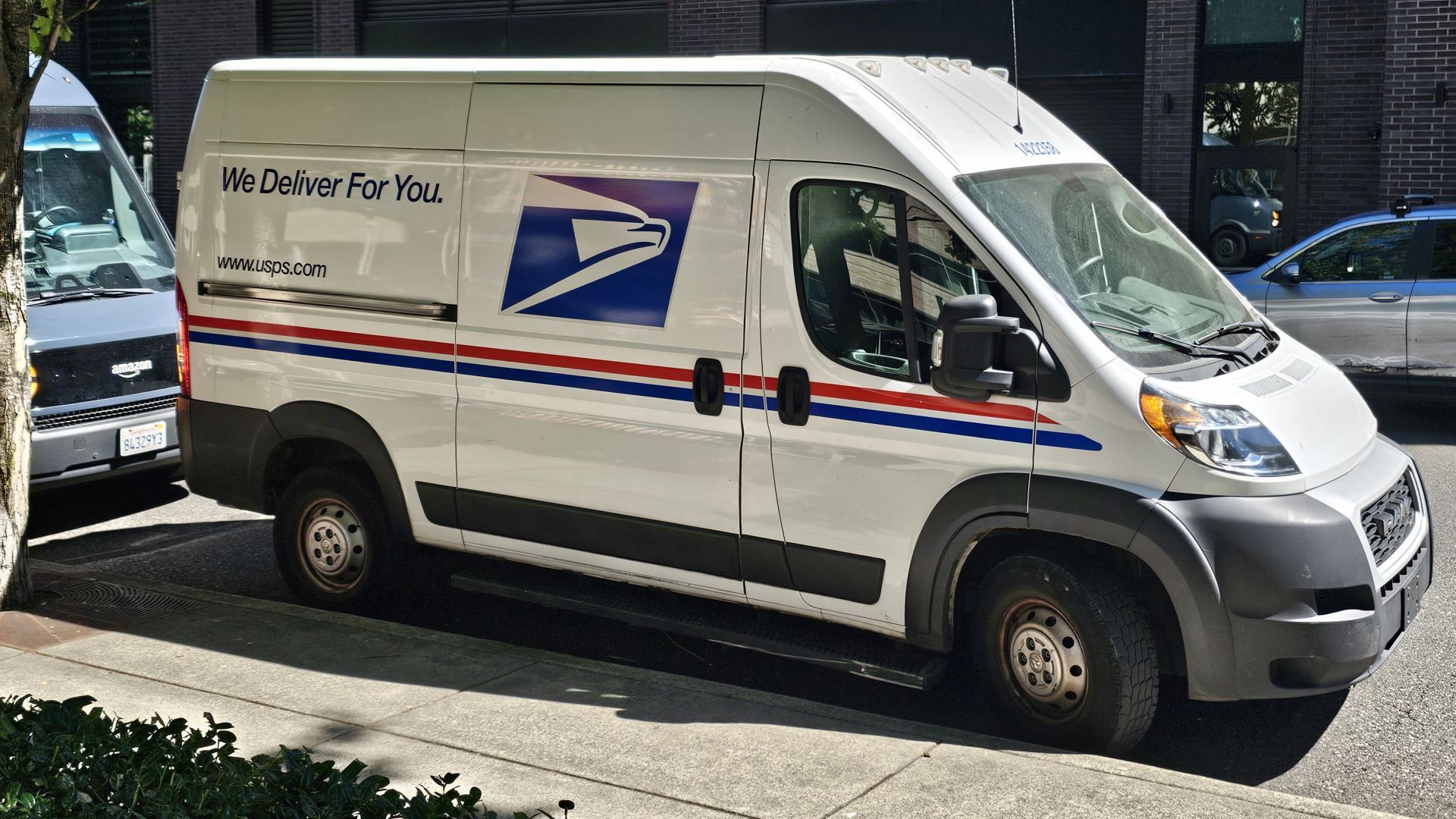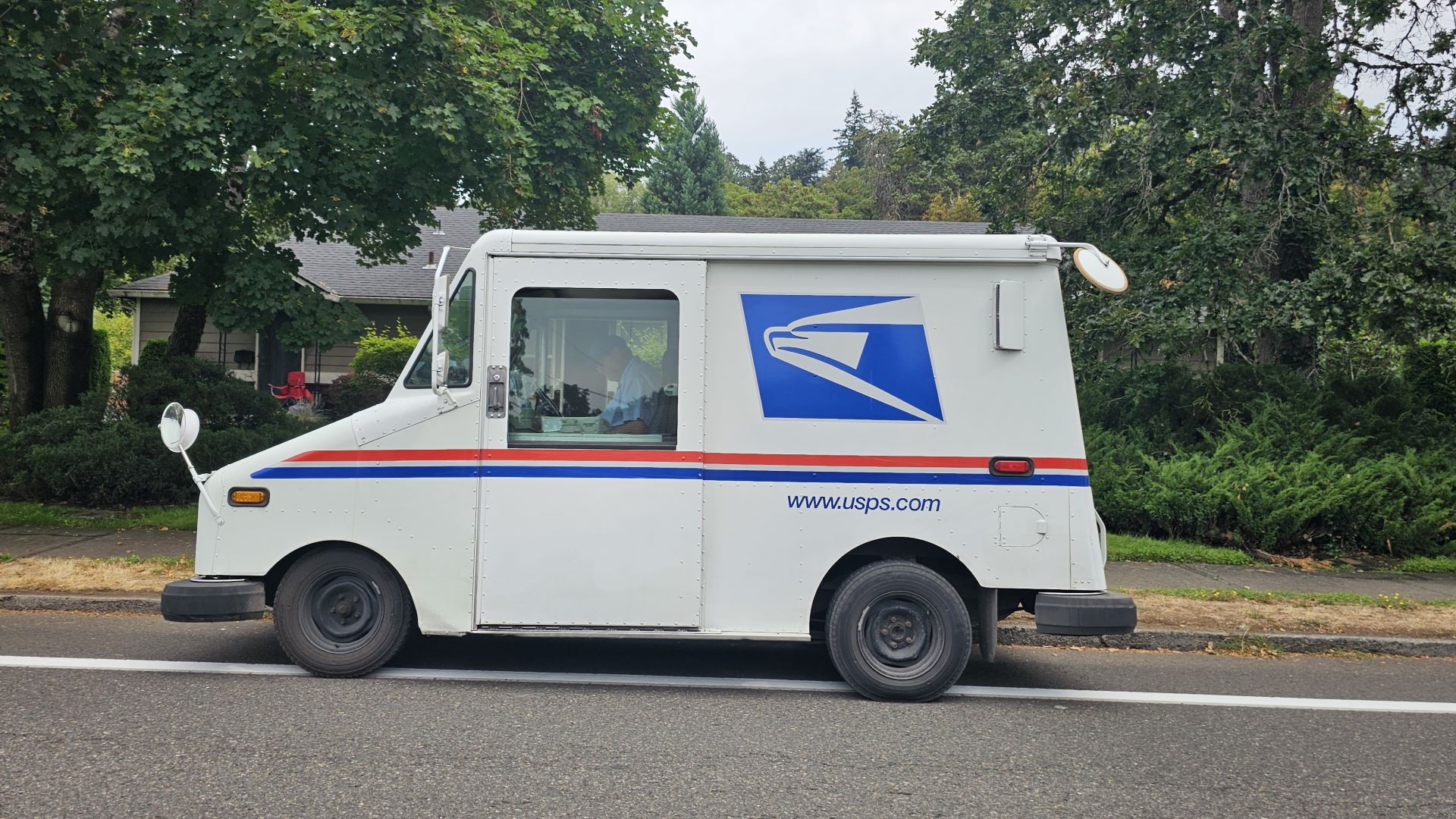
U.S. parcel shippers face a new 6% peak-season surcharge on U.S. Postal Service domestic package delivery, proposed Tuesday and scheduled to run from Oct. 4, 2026, through Jan. 17, 2027, according to FreightWaves. The temporary rate adjustment covers extra handling costs and follows the annual holiday premium model already used by FedEx and UPS, the report said.
The proposal comes amid rising cost pressures exacerbated by the Iran war, which FreightWaves said has choked off many Middle East oil supplies and increased fuel prices. The USPS said the increase would bring retail and commercial rates in line with competitors and help the organization meet financial targets so it can remain solvent amid rising costs and declining mail volume.
Affected services and timing
The 6% surcharge applies to Priority Mail, Priority Mail Express, Ground Advantage, and Parcel Select services. It must be reviewed and approved by the Postal Regulatory Commission before it can be enacted. This is the second surcharge the Postal Service has imposed in 2026: in April, it added an 8% fuel surcharge on parcel shipments, which is also scheduled to last until Jan. 17.
| Carrier | Surcharge | Effective period | Status |
|---|---|---|---|
| USPS | 6% peak surcharge (Priority Mail, Priority Mail Express, Ground Advantage, Parcel Select) | Oct. 4, 2026 – Jan. 17, 2027 | Proposed, pending PRC review |
| USPS | 8% fuel surcharge on parcel shipments | April 2026 – Jan. 17, 2027 | In effect |
| FedEx | Peak demand surcharges, higher than prior year | Oct. 26, 2026 – Jan. 17, 2027 | Announced |
| UPS | Demand surcharges | Not yet announced | Expected |
| DHL Express | Fuel surcharge index reduced by 2 points | Effective Aug. 3, 2026 | Implemented |
Carrier landscape: FedEx, UPS, DHL
FedEx last month unveiled its peak shipping season demand surcharges, which are layered on top of accessorial charges that have increased since last year. According to FreightWaves, the fees run from Oct. 26 to Jan. 17 and are higher than the prior year, with the largest percentage increases hitting some of the most common delivery categories used by e-commerce shippers. FedEx (NYSE: FDX) said the surcharge helps cover the cost of securing additional air and truck capacity during a period of high demand and higher operating costs.
UPS has not announced demand surcharges for the upcoming season but is expected to do so, FreightWaves reported. In a rare industry reversal, DHL Express on Aug. 3 cut its fuel surcharge index by a flat 2 points for export and import shipments, along with associated surcharges.
Shipper impact and response
The new fees intensify cost pressure on parcel shippers. Ground and express parcel costs rose 5% to 6% in the second quarter due to hikes in the fuel surcharge and new fees for heavier packages and premium services, according to a report from AFS Logistics and TD/Cowen investment bank cited by FreightWaves. Analysts say many businesses are switching to independent carriers to hold the line on rising costs.
For logistics managers and 3PL operators, the overlapping surcharge windows — USPS from Oct. 4, FedEx from Oct. 26, and an expected UPS announcement — mean peak season budgeting must account for multiple rate adjustments stacking on top of base contract rates. Shippers that rely heavily on Parcel Select and Ground Advantage for e-commerce fulfillment should model the combined effect of the 6% peak fee and the 8% fuel surcharge, which both expire Jan. 17, 2027.
Key finding: Ground and express parcel costs rose 5% to 6% in Q2 2026 due to fuel surcharge hikes and new fees for heavier packages and premium services, according to AFS Logistics and TD/Cowen.
Watch list
- Postal Regulatory Commission decision on the USPS 6% surcharge — approval is required before Oct. 4 enactment.
- UPS announcement of its peak season demand surcharges, which is expected but not yet confirmed.
- Fuel price trajectory, tied to Middle East oil supply disruptions from the Iran war, which could trigger further fuel-related surcharge adjustments.
- Duration overlap: All major carrier surcharges run through mid-January 2027, aligning peak season pricing for the full holiday shipping window.
Sources: