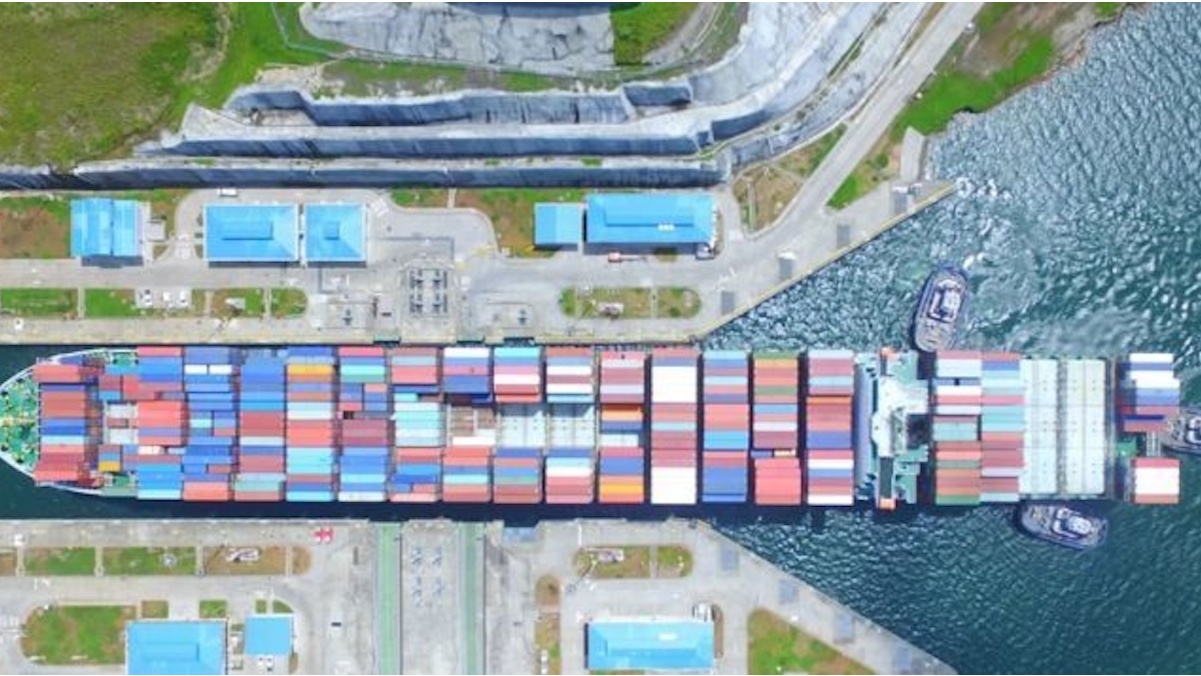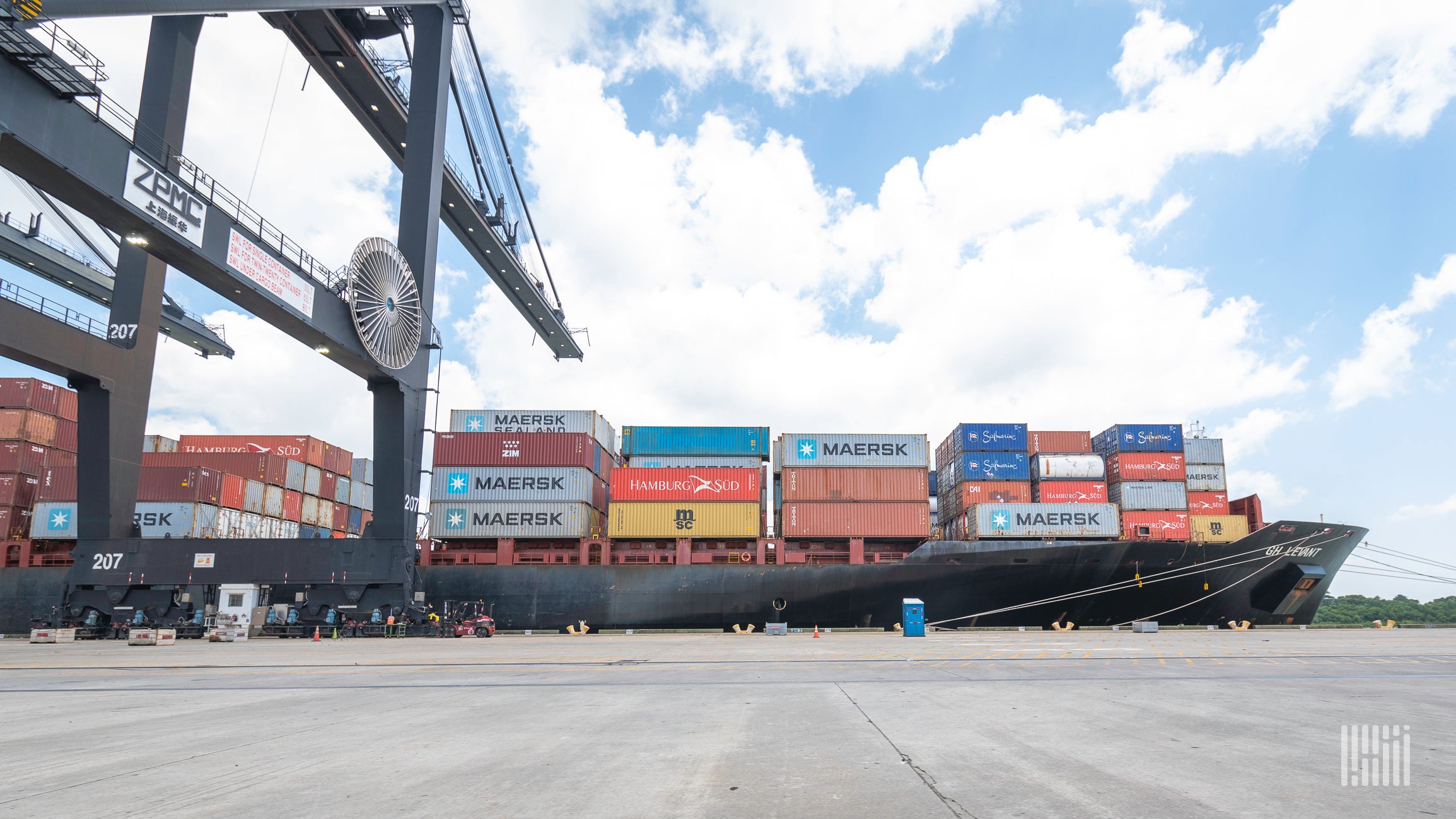
U.S. containerized imports increased 4.5% in July from June, reaching 2.51 million twenty-foot equivalent units (TEU) as the traditional peak shipping season gained momentum, according to Descartes Systems Group’s July Global Shipping Report. The July total of 2,508,310 TEU marked a seasonal increase in inbound cargo volumes, the data provider said.
Peak Season Momentum Returns
The month-over-month gain is consistent with the pattern seen during July in each of the past 10 years, Descartes said. Imports from the 10 largest countries of origin rose 4.9% from June, a gain of 83,706 TEU. The rebound signals that U.S. import demand regained seasonal momentum after June's modest decline following tariff-driven frontloading, the report noted.
Despite the July pickup, total U.S. containerized imports were 4.3% below the July 2025 level. Descartes attributed the year-over-year comparison in part to unusually strong cargo frontloading last July, when importers were responding to trade-policy uncertainty alongside normal seasonal demand. The July 2025 total reached 2.62 million TEU, creating a difficult comparison for this year's peak-season volume.
Key July container import metrics from the Descartes report:
| Metric | Value |
|---|---|
| U.S. containerized imports, July 2026 | 2,508,310 TEU |
| Month-over-month change | +4.5% |
| Imports from 10 largest origins, M/M | +4.9% (+83,706 TEU) |
| China-origin volumes, M/M | +7.2% (+58,655 TEU) |
| July 2025 total | 2.62 million TEU |
| Year-over-year change | -4.3% |
China Leads Origin Gains
China accounted for the largest share of the month-over-month increase, with volumes rising 7.2%, or 58,655 TEU, to their highest monthly level since July 2025, according to Descartes.
Other major origin markets posting July gains included:
- Hong Kong
- Germany
- Japan
- South Korea
- India
The broad-based increase points to a stronger seasonal flow of cargo from key Asian and European sourcing markets.
Gulf Coast Container Flow Shifts
Gulf Coast container imports rose in July, according to the report, continuing a shift in freight flows among U.S. gateways. The report did not break out terminal-level volumes, but the gain extends an ongoing rebalancing of inbound cargo routing.
Shipper and Forwarder Implications
For freight forwarders, 3PL operators and importers, the July data carries several operational cues:
- Book capacity early: July's rebound indicates peak season momentum is building, consistent with the decade-long seasonal pattern Descartes observed.
- Treat year-over-year comparisons cautiously: tariff-driven frontloading inflated the July 2025 baseline to 2.62 million TEU, so the 4.3% decline does not necessarily signal softening demand.
- Watch Gulf Coast options: with Gulf Coast imports rising again, forwarders should evaluate alternate gateways for routing flexibility.
Given the year-over-year gap, forwarders should factor both 2025 frontloading and 2026's still-uncertain trade policy into their peak-season planning.
Watch List
Trade-policy uncertainty and prior frontloading continue to affect comparisons with 2025, Descartes said. Shippers and operators should monitor whether new tariff measures emerge and whether importers frontload cargo ahead of policy shifts, as these factors will shape the remainder of the peak season.
Sources: