Pingtan Minghui Shipping has made a strategic move into the tanker sector by ordering two LR2 product carriers, marking its first foray outside the dry bulk market.
Expansion into Tankers
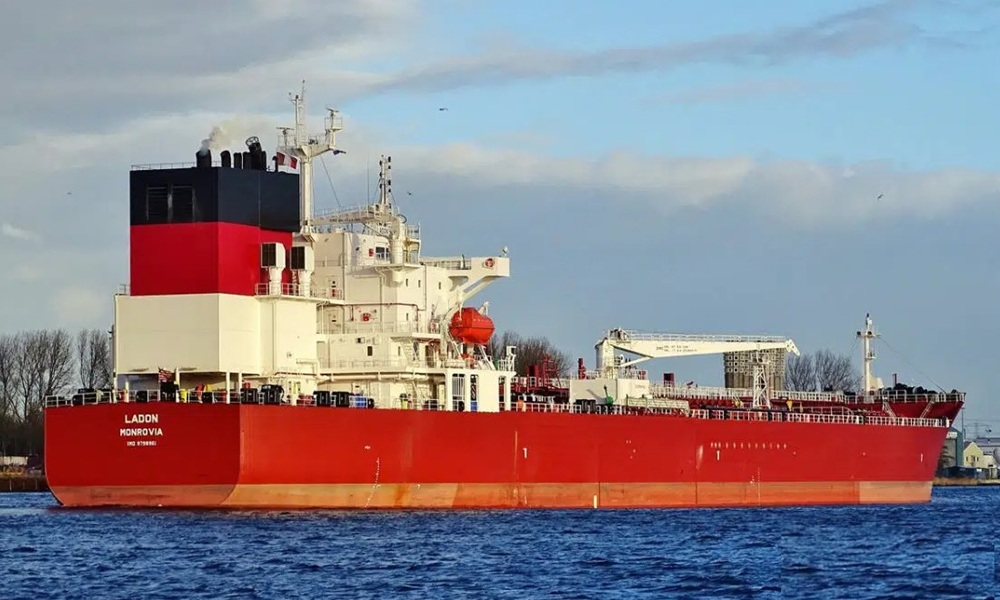
The Fujian-based company has contracted Taizhou JianXing Heavy Industry to construct two 114,000 dwt tankers. These vessels are scheduled for delivery in 2028, with the first expected in the second quarter and the second by year-end. This marks a significant diversification for Pingtan Minghui, which has previously focused on dry bulk shipping.
Vessel Specifications
The new LR2 tankers, designed for long-haul transportation of refined petroleum products, will measure 248.8 meters in length with a design draft of 13.5 meters. Upon delivery, both vessels are expected to be registered under the Liberian flag.
Current Fleet and Strategy
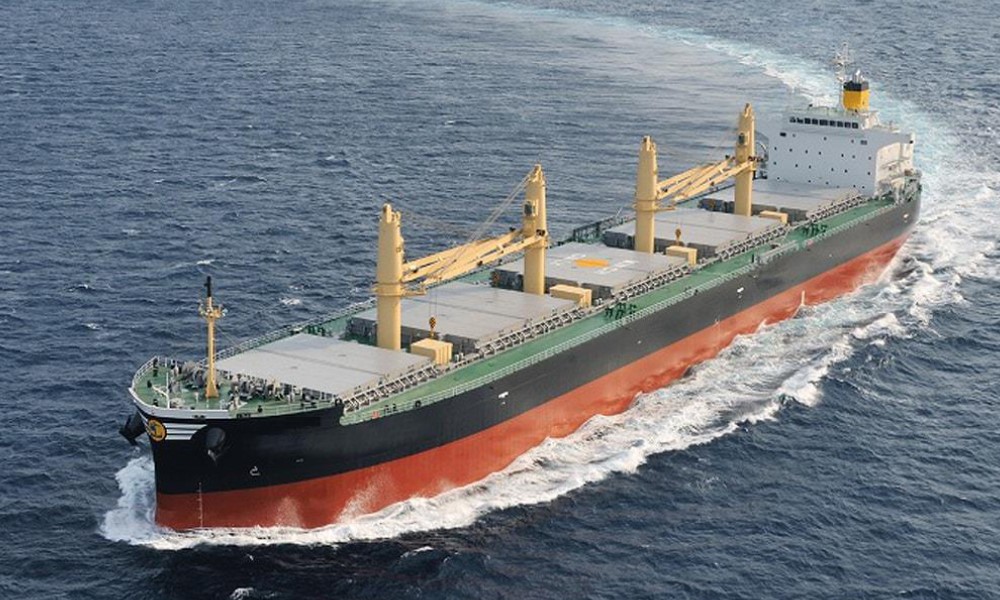
Pingtan Minghui currently operates a fleet of four bulk carriers, ranging from supramax to capesize tonnage. The company has expanded primarily through secondhand acquisitions. This new order signifies a strategic shift as the company diversifies its operations into the tanker market.
Implications for the Shipping Industry
This move by Pingtan Minghui could signal a broader trend of diversification among traditional bulk carriers. As the company enters the tanker sector, it may influence market dynamics, particularly in the Asia-Pacific region, where demand for refined petroleum transport is significant.
"The vessels are scheduled for delivery in 2028, with the first ship due in the second quarter and the second expected before the end of the year."
Watch List
- Delivery Timeline: Monitor the construction progress at Taizhou JianXing Heavy Industry.
- Market Impact: Assess how Pingtan Minghui's entry into the tanker market affects freight rates and capacity.
- Regulatory Changes: Stay informed about any changes in shipping regulations that could impact operations.
This strategic entry into the tanker market by Pingtan Minghui highlights the evolving landscape of the shipping industry, where diversification and adaptation are key to maintaining competitive advantage.
Sources: