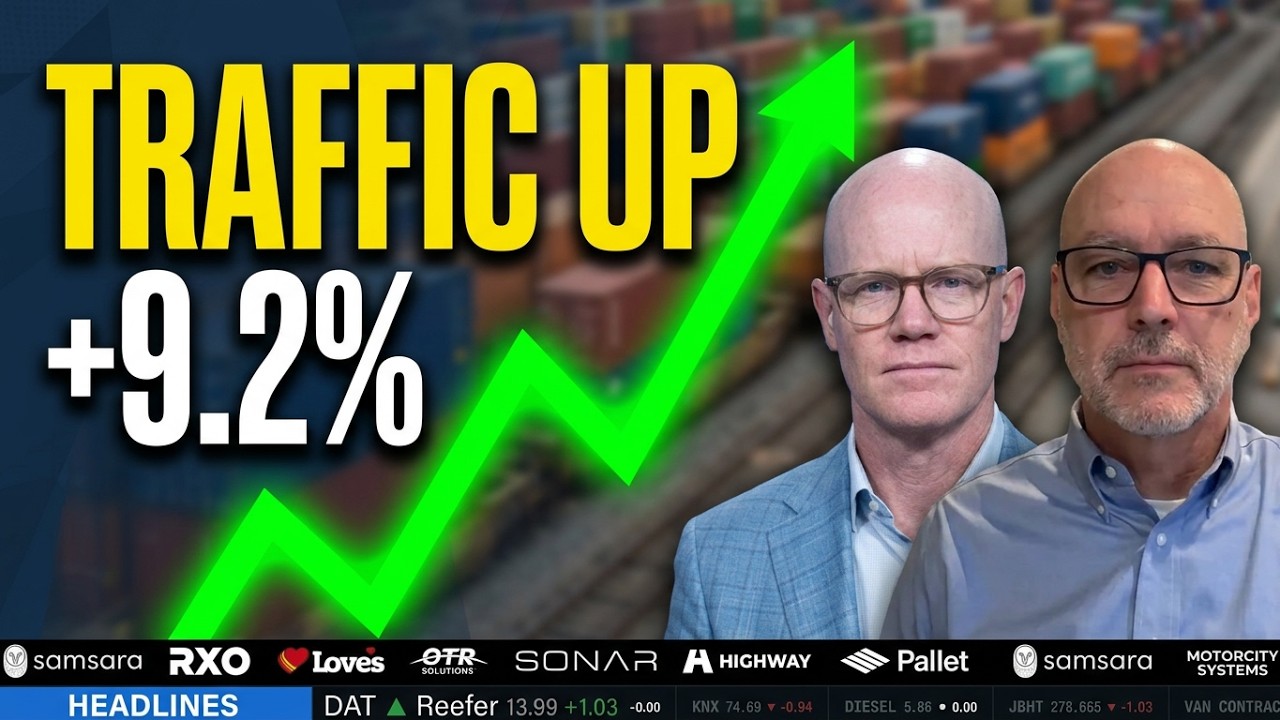
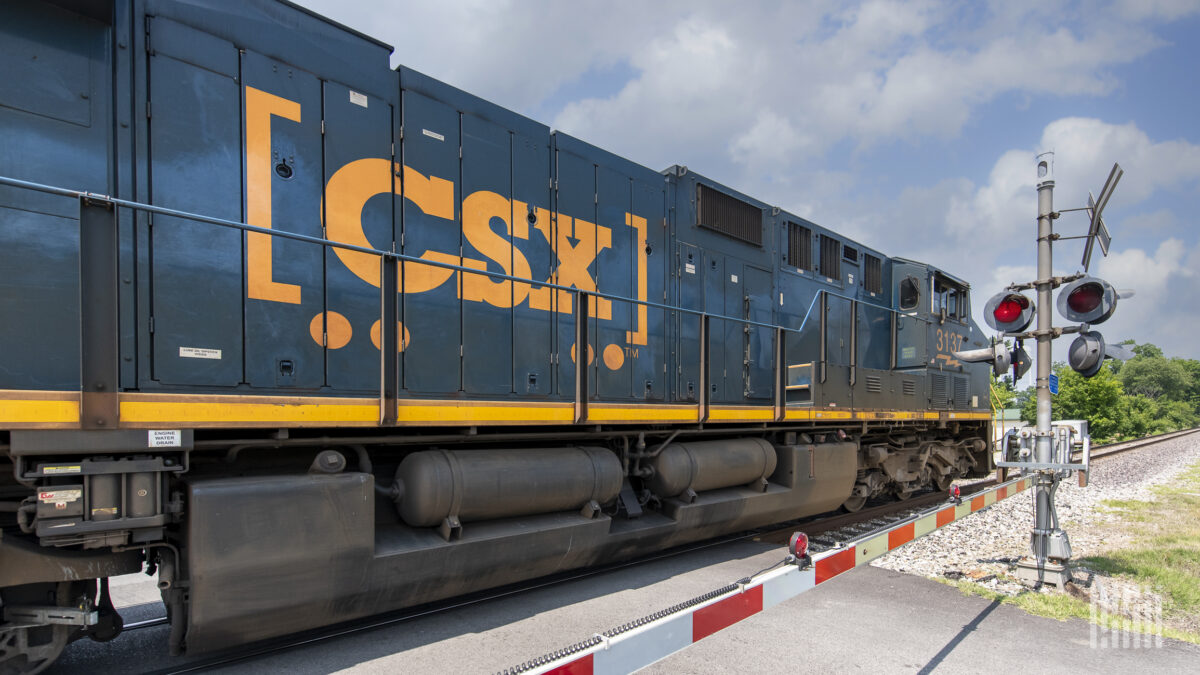
The U.S. rail freight sector is outperforming expectations in 2026, with record-breaking carloads and intermodal units signaling a stronger-than-anticipated industrial economy, according to a recent analysis by FreightWaves. The data, released by the Association of American Railroads (AAR), reveals broad-based growth across multiple commodity categories, including chemicals and motor vehicles.
Record Volumes Across the Board
AAR President and CEO Ian Jefferies noted that the growth is not concentrated in one sector but spans a wide range of goods. "The boom is broad-based," Jefferies said, according to FreightWaves. Chemicals and motor vehicles are among the categories contributing to the record volumes. While specific tonnage or TEU figures were not provided in the report, the trend is clear: rail freight is experiencing a resurgence that many analysts had not anticipated.
Factors Driving Rail Growth
Several factors are converging to make rail an increasingly attractive option, as detailed by FreightWaves. Fuel prices remain volatile, and trucking capacity continues to tighten, pushing shippers to seek alternatives. Regulatory changes are also reshaping the competitive landscape, further boosting rail's appeal. These dynamics are prompting logistics managers and freight forwarders to reassess their modal choices, with rail emerging as a cost-effective and reliable solution for long-haul movements.
| Factor | Impact on Rail Freight |
|---|---|
| Fuel prices | Increases cost advantage of rail relative to trucking |
| Trucking capacity | Tightening supply shifts volume to rail |
| Regulatory changes | Favorable adjustments support rail operations |
Implications for Shippers and Operators
Shippers facing trucking capacity shortages should consider increasing their reliance on rail for long-distance moves, particularly for heavy commodities like chemicals and motor vehicles. 3PL operators and freight forwarders can leverage the current strength to negotiate favorable rail rates or secure dedicated intermodal services. The record volumes also suggest that port-to-inland rail connections may face additional pressure, requiring proactive capacity planning.
Outlook for the Second Half of 2026
According to FreightWaves, the momentum could signal a healthier industrial economy than many realize, and the second half of 2026 looks promising for rail freight. Continued monitoring of fuel prices, trucking regulations, and intermodal capacity will be key for stakeholders. The AAR's upcoming monthly reports will provide more granular data to guide decision-making.
Watch list: Upcoming AAR monthly reports, further fuel price movements, and any new trucking regulations that could alter the modal shift dynamics. The interplay between rail and trucking capacity will remain a critical factor for logistics planning through the rest of 2026.
Sources: