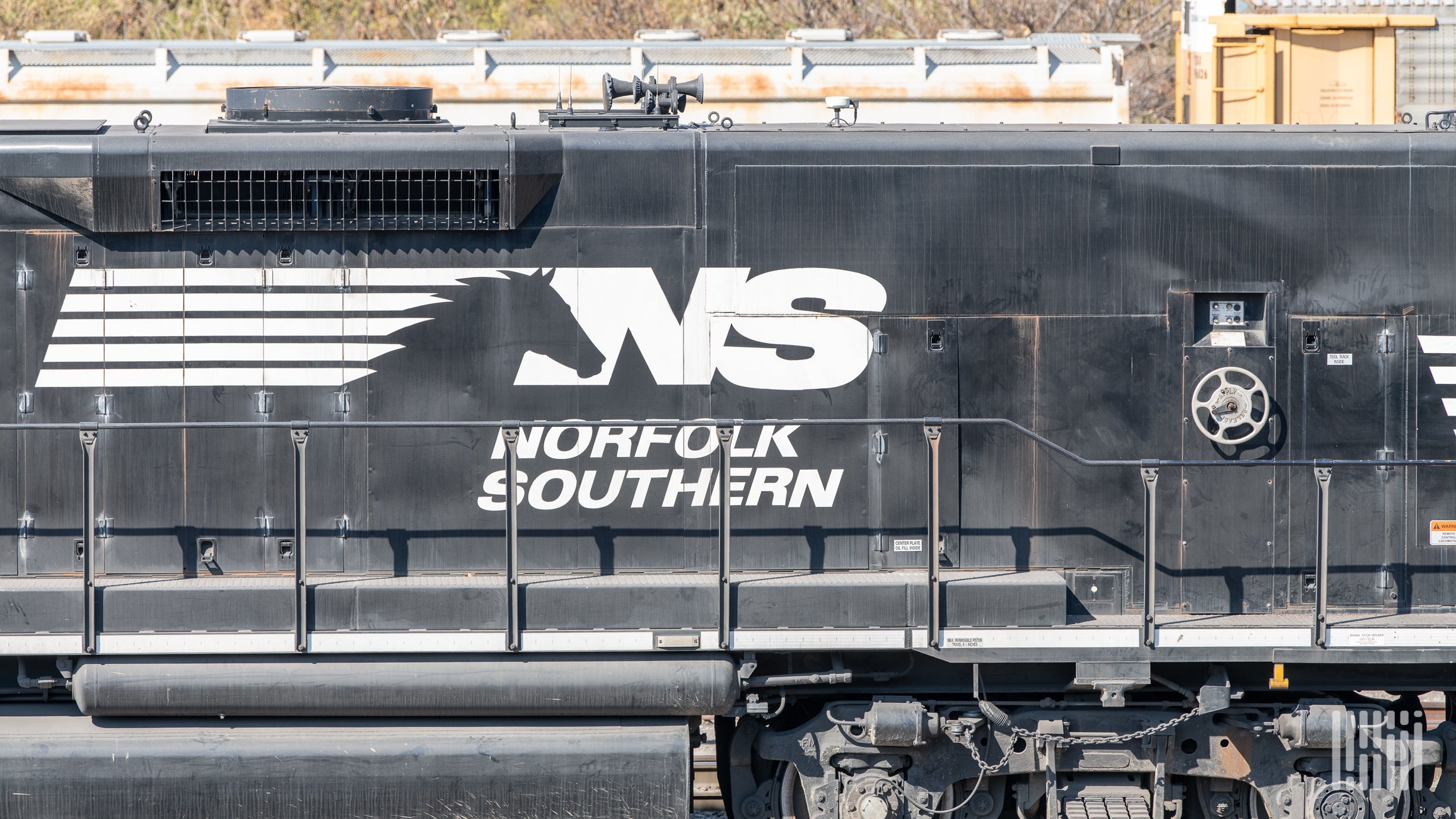
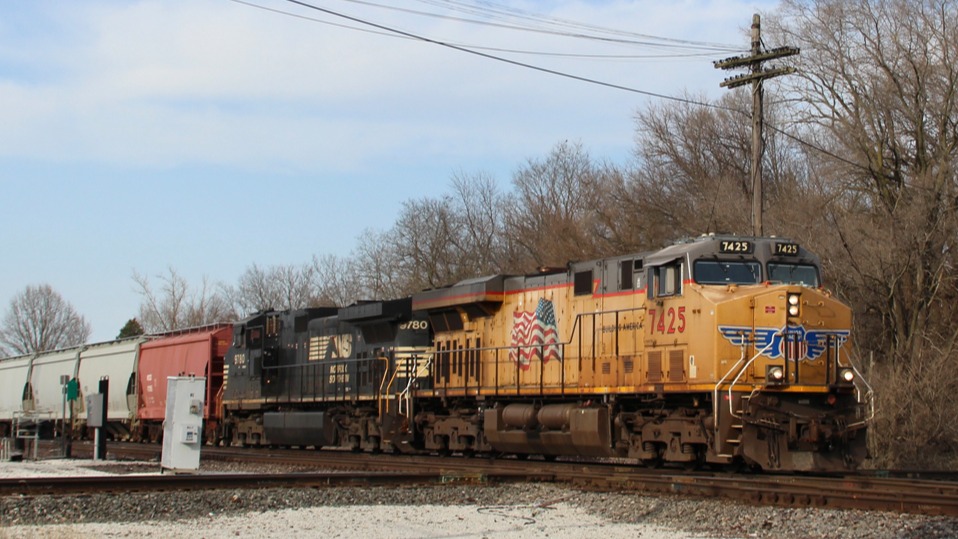
The proposed merger of Union Pacific (UP) and Norfolk Southern (NS) is drawing sharp criticism from agricultural retailers, who warn it will concentrate pricing and logistical power in a single carrier and drive up costs for moving farm inputs and commodities.
“We at the Agricultural Retailers Association have serious concerns about how this merger would affect our members and the agribusiness sector as a whole,” wrote Daren Coppock, ARA president and CEO, in a published opinion column in trade journal Agri-Pulse, as reported by FreightWaves. Coppock’s group represents more than 5,000 retail locations supplying feed, seed and equipment to farms and ranches nationwide.
Merger Concerns
The four U.S. Class I railroads already control 90% of rail freight traffic, according to Coppock, concentrating their power to set railroad-friendly terms. That, he argued, drives up costs and threatens supply chain reliability for moving agricultural commodities, fertilizer, chemicals and fuel. The concerns are especially acute for captive ag shippers—those served by only one railroad. “[W]e end up in a worse place than where we started,” he said.
Both UP and NS have said the merger will speed traffic by eliminating time-consuming interchanges of railcars, improving efficiency for shippers and growing volumes. But past mergers, Coppock observed, produced service disruptions and “have consistently reduced competition, resulting in higher transportation costs and less negotiating leverage for agricultural shippers.”
Rate Increases
Freight rail rates have risen by more than 40% over the past 20 years, adjusted for inflation, about 70% faster than truck rates, Coppock wrote. Critical inputs for fertilizer such as anhydrous ammonia have risen more than 200% since the mid-2000s.
| Mode | Rate Change (20 years, inflation-adjusted) |
|---|---|
| Rail | +40% (70% faster than truck) |
| Truck | Baseline |
“This proposed merger directly threatens our ability to operate and, by extension, impacts our farmers and the food supply for all Americans,” Coppock said. “If the Surface Transportation Board isn’t hearing alarm bells, they should be, because this is going to be a big problem for all of us.”
Impact on Agriculture
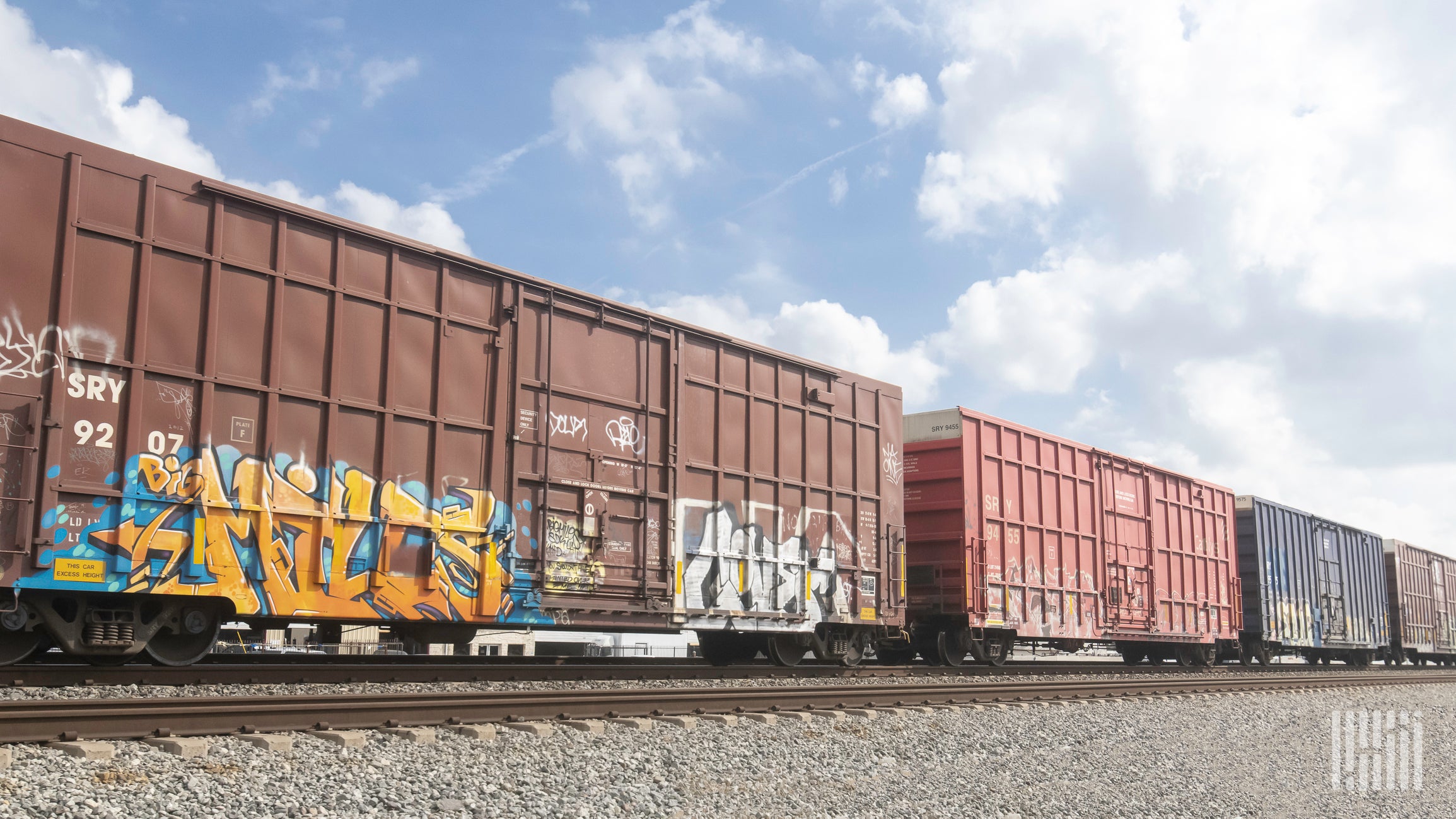
Two-thirds of the fertilizer for U.S. crops moves by rail, according to Coppock, and one covered hopper moves as much as 3.4 trucks, at three times the fuel efficiency per ton-mile of other modes. The merger, if approved, would further reduce competition and negotiating leverage for agricultural shippers already grappling with geopolitical pressures and inflation.
For shippers and logistics operators, the key takeaway is that approval of the UP-NS merger could lead to higher rail rates and service disruptions, particularly for captive ag shippers. Companies moving fertilizer, grain, and other agricultural commodities should monitor Surface Transportation Board proceedings closely and consider contingency planning, such as securing multi-year contracts or exploring modal alternatives where feasible.
The Surface Transportation Board has yet to rule on the merger proposal. The ARA’s published comments represent one of the first major industry objections from the agricultural supply chain sector.
Sources: