COSCO Shipping Development's order for 15 newcastlemax bulk carriers, worth RMB7.92 billion ($1.1 billion), signals a long-term bet on dry bulk demand and a continuing fleet renewal program. The vessels, each of 210,000 deadweight tonnes (dwt), will be built at two Chinese shipyards and delivered through 2030, according to Splash247.
Order Details and Construction
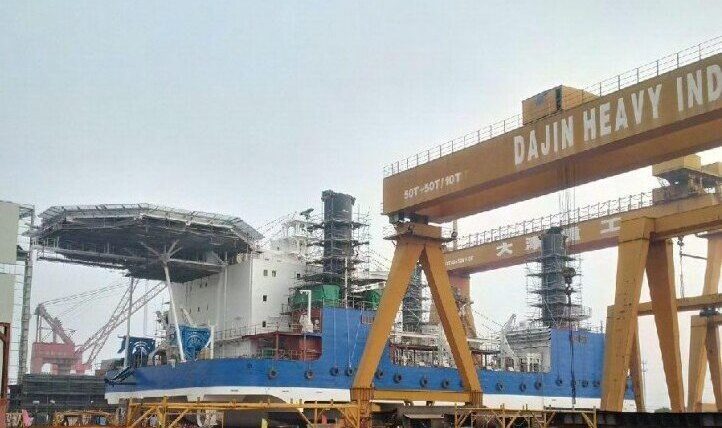
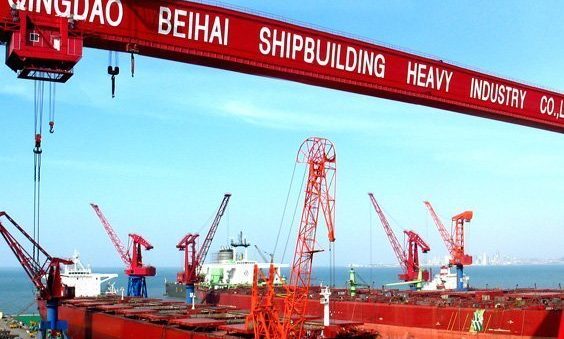
Of the 15 vessels, ten will be constructed by Shanghai Waigaoqiao Shipbuilding, while the remaining five are contracted at Nantong Xiangyu Shipyard. Each ship is priced at RMB528 million before tax, Splash247 reported. The newbuilds are part of COSCO's aggressive dry bulk renewal programme, which has already included dozens of vessels.
| Shipyard | Vessel Count | Delivery Window |
|---|---|---|
| Shanghai Waigaoqiao Shipbuilding | 10 | June – December 2030 |
| Nantong Xiangyu Shipyard | 5 | May – December 2030 |
Environmental Provisions
All 15 ships will be built with provisions for later conversion to methanol or ammonia propulsion, according to the source. This dual-fuel readiness aligns with the industry's push for lower-carbon shipping, though no specific retrofitting timeline has been announced.
Financing and Leasing
The investment will be financed 25% from internal resources and 75% through bank borrowing, Splash247 stated. The vessels will be leased for 20 years to Wai Fung Shipping, a subsidiary of COSCO Shipping Bulk (COSCO's dry bulk arm). Annual charter rates for each ship are capped at RMB59.4 million before tax, including the potential cost of later dual-fuel modifications.
Implications for Dry Bulk Market
The 15 newcastlemaxes will add significant capacity to COSCO's fleet when delivered in 2030. Newcastlemax vessels, with their 210,000 dwt size, are typically used for major bulk commodities such as iron ore and coal. The long-term lease structure with COSCO Shipping Bulk indicates a strategic build-up of owned versus chartered-in tonnage. For freight forwarders and shippers, this order suggests stable, utility-grade capacity additions in six years, potentially moderating future spot rate volatility in the dry bulk sector. The financing split (25% equity, 75% debt) is standard for large-scale ship acquisitions. Operators should monitor whether similar orders crop up among other major dry bulk carriers, as cumulative capacity additions could weigh on long-term freight rates.
Sources: